

Formula 1's Sponsorship Explosion Demands Creative Solutions
Formula 1 presents a fascinating creative conundrum for brands and sponsors as motorsport's premier championship returns with unprecedented global reach. The series explodes back into action across twenty-four high-glamour race weekends, driving continuous broadcast innovation while leveraging groundbreaking media content.
Unprecedented Audience Growth and Diversity
The championship's own figures reveal a global fanbase reaching 827 million in 2025, representing a substantial 12 per cent year-on-year increase. Audiences continue expanding across multiple platforms including race venues, traditional television broadcasts, YouTube channels, and various social media networks. Notably, almost half of all new fans acquired last year were female, while 57 per cent fell under the age of 35, indicating significant demographic diversification.
Sponsorship Landscape Becomes Increasingly Crowded
Brands have understandably noticed these impressive numbers, leading to intense competition within the sponsorship arena. Formula 1 currently maintains eleven global sponsors spanning diverse product categories from luxury goods to chocolate snacks. Licensing agreements with entertainment giants like Disney and Lego have inspired playful new content and innovative fan experiences.

Each of the eleven competing teams supports dozens of individual partners, with some teams managing more than fifty separate commercial relationships. According to Ampere Analysis research, the total annualised value of Formula 1 team sponsorships reached $2.12 billion last year, representing approximately 72 per cent of all brand spending within the sport.
Intense Competition for Consumer Attention
Over four hundred commercial deals were reportedly agreed during the twelve months leading to February 2026, with as many as 323 individual brands actively participating in Formula 1 last season. Many sponsors target similar demographic segments, with United States-based partners accounting for 34 per cent of all new deals signed in 2025.
The technology and financial services sectors each represent 20 per cent of new sponsorship agreements within the current cycle. This concentration creates an intensely competitive environment where brands must fight for consumer attention on the world's fastest-moving billboards.
Strategic Challenges in a Crowded Marketplace
Each new racing season introduces fresh car designs and updated colour schemes, providing sponsors with opportunities to assess their visual impact. However, these dynamic spaces become increasingly busy as more brands enter the arena. Modern audiences demonstrate ruthless selectivity when choosing which content to engage with, creating significant challenges for marketing professionals.
Formula 1 encapsulates this marketing challenge perfectly. A massive global fanbase that grows and diversifies annually encounters different messaging and content at every Grand Prix event. Within this vibrant media moment, even high-spending sponsors risk becoming mere background clutter without careful strategic planning.
Navigating Potential Pitfalls and Cultural Sensitivities
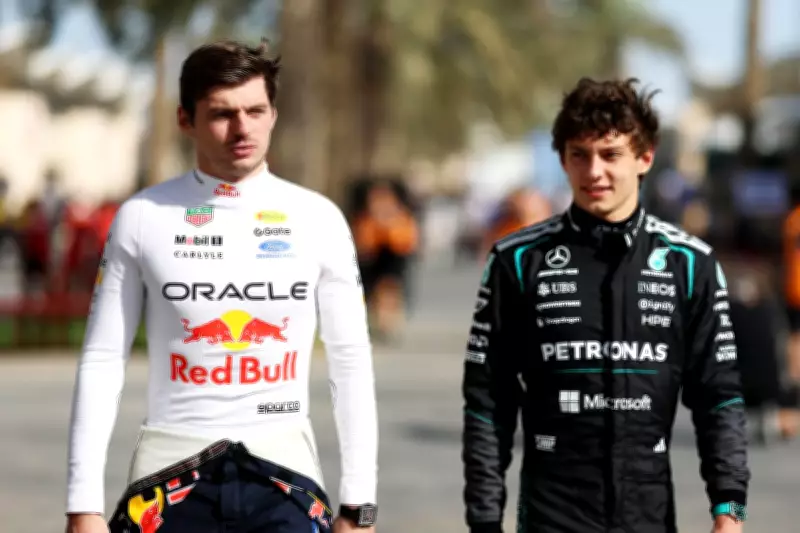
Several potential traps await unwary sponsors. The initial challenge involves how corporate logos integrate into team liveries, where improper branding blends might clash with team identities or disappear into visual noise. This balancing act extends to cultural considerations as well.
Successful brands must respect their partner team's heritage while acknowledging driver personalities and team values. They must also navigate the intense competitive pressures facing technical and operational staff, all while pursuing commercial results in an arena crowded with hundreds of competing businesses.
Developing Strategies for Standout Performance
Sponsors seeking to break from the pack can draw inspiration from qualities celebrated within Formula 1 culture, including meticulous planning, attention to detail, and shared mission mentality. Top performers typically identify a winning edge through strong, effective, and original ideas that cut through competitive noise.

The possibilities for creative engagement remain enormous. Between official driver and team channels, independent content creators, and traditional media outlets, multiple routes exist to reach target audiences. Every Grand Prix weekend presents opportunities to bring people together in spectacular settings around the world.
Balancing Immediate Impact with Long-Term Strategy
While strong early-season impressions hold value, sponsors must avoid draining budgets better allocated to strategically important territories later in the championship. When regional relevance matters, cultural intelligence and sensitivity become paramount considerations.
Successful sponsorship requires genuine appetite for calculated risk, embracing boldness and creativity that distinguishes brands from competitors. Throughout this process, sponsors cannot lose sight of fundamental commercial objectives. The competition remains fierce, but the most innovative approaches will ultimately be seen and heard above the noise.





