
Genomic Test Spares Breast Cancer Patients Chemotherapy
A landmark study shows a genomic test can determine which breast cancer patients can safely skip chemotherapy, sparing millions from harsh side effects.


A landmark study shows a genomic test can determine which breast cancer patients can safely skip chemotherapy, sparing millions from harsh side effects.
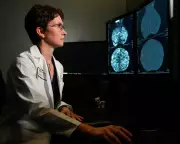
A groundbreaking genomic test can identify which breast cancer patients can safely skip chemotherapy, sparing them toxic side-effects without increasing recurrence risk, according to a major international trial.
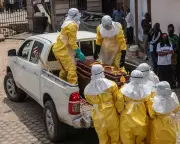
WHO warns Ebola outbreak in DRC is outpacing response efforts, urging neighboring countries to act. Attacks on health facilities hamper containment as cases rise.
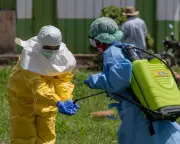
Experts urge global health leaders to apply lessons from previous Ebola outbreaks to current crisis, emphasizing community engagement and rapid response.

Shared lists with real-time sync. No signup needed — just open and shop together.
Recommended
As new Ebola cases emerge, experts discuss the potential for a major outbreak. Learn about the latest developments and preparedness efforts.
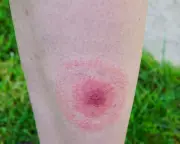
Lyme disease cases in England increased by 22% in 2025, with 1,168 confirmed cases. New vaccines and treatments are being developed to combat the tick-borne illness.
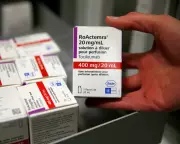
An early clinical trial suggests tocilizumab, an immunotherapy drug for rheumatoid arthritis, may help patients with treatment-resistant depression.

The WHO is considering experimental vaccines for the Bundibugyo strain as Ebola cases and deaths rise in the DRC, with at least 500 suspected cases and 130 deaths reported.
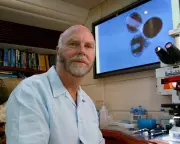
Craig Venter, the pioneering and controversial geneticist who helped sequence the human genome, has died at 79. He revolutionized genomics with his shotgun sequencing method.
Shared lists with real-time sync. No signup needed — just open and shop together.
Recommended
A comprehensive review finds PSA screening reduces prostate cancer deaths by 2 per 1,000 men, but many face unnecessary treatment. Experts urge shared decision-making.
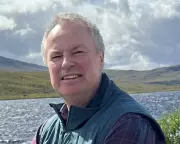
Peer Bork, a bioinformatician who pioneered computational analysis of the human microbiome and introduced gut enterotypes, has died unexpectedly at age 62.

New research shows crickets groom sore antennae like a dog nurses a hurt paw, suggesting insects may feel pain. Study published in Proceedings of the Royal Society.

A new study reveals that obesity rates are plateauing or declining in some high-income countries, challenging the narrative of an inevitable global epidemic.

Strictly Come Dancing professional Nikita Kuzmin was rushed to hospital after suddenly losing his vision, later diagnosed with type 1 diabetes. He shares his journey.
Shared lists with real-time sync. No signup needed — just open and shop together.
Recommended
A new Harvard study suggests that CTE is not the sole factor behind rising NFL player suicides, highlighting other risks like sleep apnea and high blood pressure.
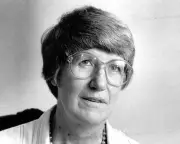
Dame Bridget Ogilvie, the Australian-born parasitologist who led the Wellcome Trust and oversaw the creation of the Sanger Centre, has died aged 88.

Six passengers from the hantavirus-hit MV Hondius cruise ship landed in the Netherlands for a 48-hour stop before flying to Australia for a 42-day quarantine.

A French woman and an American from the MV Hondius cruise ship tested positive for hantavirus. Over 100 people evacuated in Tenerife in a complex operation.
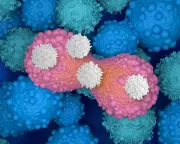
CAR T-cell therapy, a cutting-edge cancer treatment, shows promise as a 'game-changer' in oncology, highlighted by actor Sam Neill's remission. Researchers are optimistic about its potential against solid tumors.
Shared lists with real-time sync. No signup needed — just open and shop together.
Recommended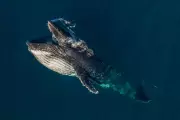
Researchers use citizen scientist footage to study rare humpback whale 'gaping' behavior, suggesting it may be a social display rather than feeding.

Science writer Helen Pilcher examines the nocebo effect, where negative expectations cause real physical symptoms, in her fascinating new book.
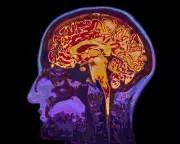
The nocebo effect shows how negative expectations can cause real symptoms. From vaccine side effects to mystery illnesses, our minds influence health more than we think.
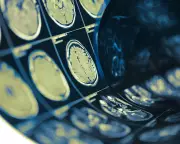
Study reveals lacunar strokes are caused by widening of brain arteries, not fatty blockages, explaining why blood thinners are less effective.

Scientists harness the blue glow of bioluminescent algae to 3D-print light-emitting structures, with potential applications in biosensors and eco-friendly lighting.
Shared lists with real-time sync. No signup needed — just open and shop together.
Recommended
Cassian Joubert, born twice after partial delivery at 25 weeks, underwent innovative surgery for a rare airway condition and is now home with his family.
Ingrid Honkala, a scientist who worked with NASA, claims to have clinically died three times. Each time she experienced a peaceful state of pure consciousness and awareness beyond her body.
Alzheimer's Research UK warns that delayed or inaccurate diagnoses prevent UK patients from accessing experimental treatments and clinical trials, risking being left behind as research advances.
Ann Barrett, a leading oncologist who established the UK's first MSc in clinical oncology and championed holistic paediatric radiotherapy, has died aged 83.

A single dose of psilocybin, found in magic mushrooms, may cause anatomical brain changes lasting a month, potentially explaining therapeutic effects on anxiety, depression, and addiction.
Shared lists with real-time sync. No signup needed — just open and shop together.
Recommended
Kirsty, a Kent woman, raises funds for paediatric brain tumour research after her own diagnosis, inspiring community support.
