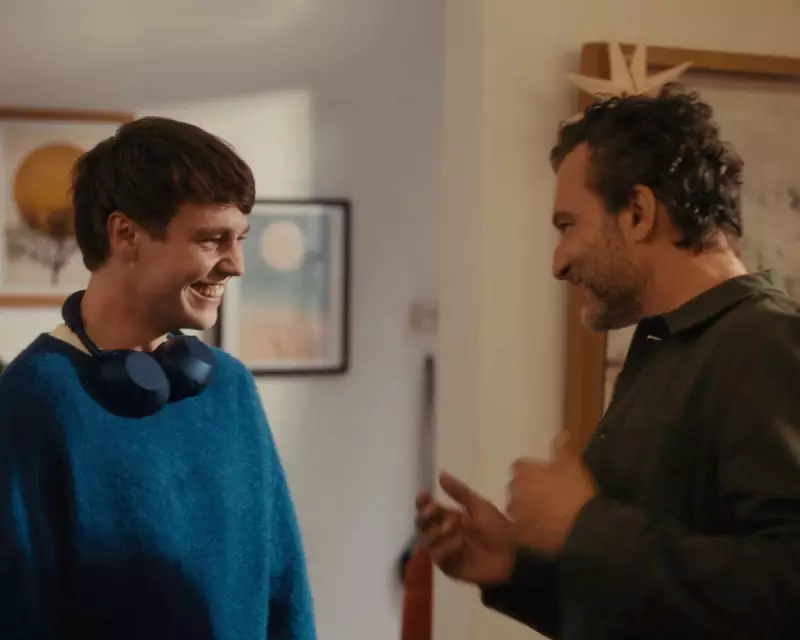
The John Lewis 2025 Christmas advertisement has become an unexpected barometer for one of Britain's most pressing social conversations: the crisis facing boys and young men in contemporary society.
A Festive Mirror to Modern Masculinity
This year's John Lewis Christmas offering marks a significant departure from traditional festive cheer, presenting a darker, more contemplative narrative that reflects growing national anxieties about boyhood. The advertisement arrives amid heightened concerns about the influence of toxic online influencers, spiralling mental health issues, and widespread loneliness among young males.
These themes have dominated recent public discourse, from Gareth Southgate's Richard Dimbleby lecture, where the England manager expressed fears about "toxic influencers" replacing traditional father figures, to the phenomenal success of Netflix's hit series Adolescence. Now, these cultural anxieties have found their way into what many consider Britain's reliable cultural barometer: the department store's annual festive advertisement.

The Advertisement's Emotional Journey
As the John Lewis Christmas ad tradition itself turns 18, the 2025 instalment fittingly tells the story of a middle-aged father and his silent, headphone-wearing teenage son. The narrative unfolds through the gift of a vinyl record featuring Alison Limerick's 1990 dance anthem Where Love Lives, which transports the father back to his clubbing days in the 1990s.
In a poignant shift of pace, father and son bridge the generational chasm as the boy transforms into a toddler and then a baby before viewers' eyes. The emotional journey culminates in their immaculately stylish living room with an embrace that has undoubtedly prompted tears in households across the country, assuming Saatchi & Saatchi has executed its creative vision effectively.
Cultural Context and Deliberate Choices
While showcasing a white, middle-class family during an ongoing cost of living crisis may not appear particularly radical, it's the exploration of the father-son bond that truly captures the current zeitgeist. This represents a conscious shift from last year's advertisement, which was shot in a John Lewis store for the first time and featured two sisters, prompting headlines declaring "John Lewis Christmas advert doesn't star any men."
The 2025 advertisement makes no accident of its focus on male relationships. The mother and daughter remain shadowy figures in the background, with only the mother given speaking lines. The nostalgic return to the 1990s evokes what many perceive as a less complicated era for young men, before the dominance of Spotify, selfies, and social media.
The advertisement powerfully contrasts the crowded dancefloors of yesterday with the isolated screen time of today, and the joyful abandon of an earlier generation with the fearfulness contemporary young men often experience.
Broader Cultural Movements
Questions of contemporary masculinity and fatherhood are gaining prominence across the cultural landscape, including in publishing—a domain lately dominated by female-led narratives. Two of this year's Booker-shortlisted novels, Flesh by David Szalay and The Rest of Our Lives by Ben Markovits, explore these themes with both originality and tenderness, bringing emotional depth to what might otherwise be bleak narratives.
Both novels examine what men struggle to express verbally, the things they find difficult to articulate. This cultural conversation extends beyond literature, with Stephen Graham, co-creator and star of Adolescence, recently launching a project inviting fathers worldwide to write letters to their sons about masculinity and fatherhood. These letters will be published next year.
The movement continues with the establishment of Conduit Books, an independent press created earlier this year specifically to publish male writers and these "overlooked narratives." Meanwhile, male talking circles and men-only book clubs are springing up nationwide, aiming to foster friendships as much as reading habits.

Balancing the Cultural Conversation
After years of necessary focus on the previously unspoken stories of girls and women, which rightly occupied the forefront of cultural agenda in recent years, there's growing recognition that the narratives of boys and men must also be heard. While we don't necessarily require an advertisement to remind us to reach out to our sons in today's challenging world, the message of this year's John Lewis offering has clearly struck a genuine chord with the British public.
The John Lewis 2025 Christmas advertisement serves as more than just festive marketing; it reflects a nation grappling with how to support its boys and young men through the complexities of modern masculinity, digital isolation, and mental health challenges.