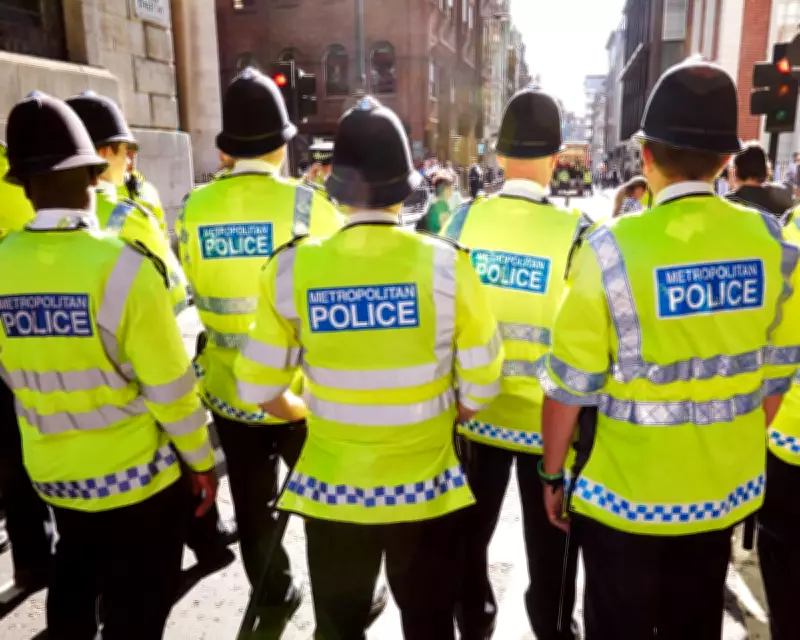
The Metropolitan Police have launched investigations into hundreds of officers after using an AI tool built by the controversial tech company Palantir to root out rogue cops. The software was deployed over a week, surveilling staff using data the force already has access to, uncovering rule-breaking from work-from-home violations to suspected corruption and criminal allegations such as rape.
Corruption Most Consistent Offence
According to the Met, corruption was the most consistent offence detected by the AI software. Ninety-eight officers are being assessed for misconduct related to 'abuse of the IT system that rosters shifts by police officers for personal or financial gain', while another 500 have received prevention notices for the same offence.
Senior Officers Under Scrutiny
Forty-two senior officers, from chief inspector to chief superintendent, are being assessed for serious noncompliance for falsely claiming to have been in the office when working from home or away for excessive periods. Met guidelines require in-office attendance to remain above 80%.

The software also identified officers who failed to declare their Freemason membership, a declarable interest within the force. Twelve officers are under investigation for gross misconduct for keeping their membership private, and 30 more have received prevention notices for suspected undeclared membership.
AI Use in Policing
This is the latest case of the Met embracing AI, as it recently entered negotiations to buy Palantir tech for criminal investigations. Palantir has ties to ICE, Donald Trump's immigration enforcement, and the Israeli military. Earlier this month, MPs demanded a £330 million contract between Palantir and the NHS be scrapped.
The Met stated the software will help 'build trust, reduce crime and raise standards', citing other technologies like drones and live facial recognition as helping keep people safe.
Met Commissioner Mark Rowley said: 'Criminals are constantly adapting how they use technology and policing has to keep pace, not just on the streets but within our own organisation. This is the Met using technology, data and stronger legal powers to confront poor behaviour, raise standards and fix our foundations as our communities would expect.'
He added: 'The vast majority of our officers and staff serve London with dedication and integrity and rightly expect us to act firmly against those who abuse their position or undermine public trust, particularly in leadership roles. By bringing together the information we already lawfully hold, we can identify risk earlier, act faster and be fairer and more consistent.'