Social Media Posts Promoting Weight-Loss Injections Banned as Illegal Advertising
The Advertising Standards Authority has issued its first-ever ban on social media posts by members of the public promoting weight-loss injections, declaring such content constitutes illegal advertising of prescription-only medicines.
Regulator Closes 'Affiliate Marketing' Loophole
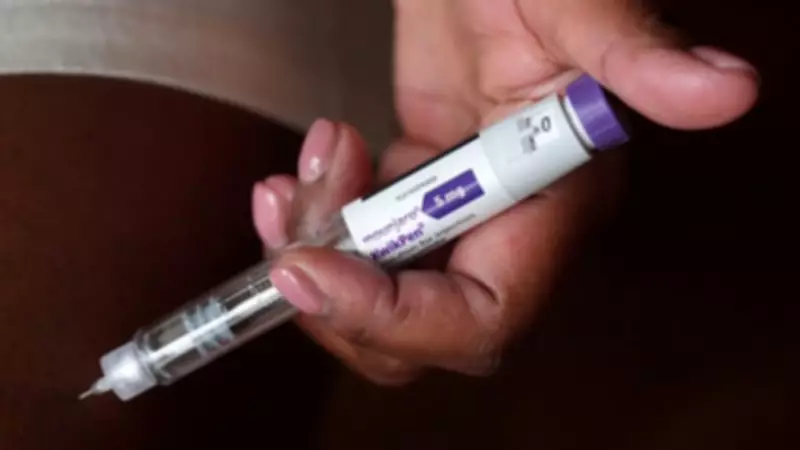
The ASA confirmed that Instagram, TikTok, and Facebook posts containing discount codes and referral links for online pharmacies Voy, Zava, MedExpress and prescribing service UK Meds Direct have been prohibited. These posts directly named weight-loss medications, used targeted hashtags, displayed images of injection pens, and encouraged followers to begin their own weight-loss journeys with special offers.
Catherine Drewett, ASA investigations manager, stated unequivocally: "These rulings send a clear message that affiliate marketing is not a loophole and that promoting prescription medicines through social media, whether as a brand, influencer or customer, is against the law and our rules."

The regulator emphasised that weight-loss injections remain prescription-only medicines that cannot be advertised to the general public. Many Britons may be unknowingly violating regulations by sharing such content with friends, family, and social media followers.
Children Exposed to 'Extreme' Body-Changing Products
Concurrently, Children's Commissioner Dame Rachel de Souza has published a concerning report revealing widespread exposure of young people to potentially dangerous appearance-altering products online. Her study, "A healthy influence? Children's exposure to appearance-changing products online", found alarming statistics about children's digital experiences.
According to the research:
- 41% of 13 to 17-year-olds have encountered promotions for prescription-only weight loss drugs
- 78% of children report these advertisements negatively impact their self-esteem
- 54% have viewed exercise and diet plans marketed for weight loss
- 52% have seen advertisements for food and drink products promoting weight reduction
- 56% of girls have encountered ads for cosmetic procedures like fillers and Botox, despite these being illegal for under-18s
Dame Rachel expressed particular concern about racial disparities, noting that 46% of black children and 35% of Asian children have seen advertisements for skin lightening products, many containing toxic ingredients illegal in the UK.
Calls for Stronger Online Protection Measures
The Children's Commissioner is advocating for substantial reforms to better safeguard young people online. Her recommendations include:
- Amending the Online Safety Act to prohibit all advertising to children on social media platforms
- Revising Ofcom's Children's Code of Practice to explicitly protect children from body stigma content
- Strengthening regulation of online sales for age-restricted products
"Extreme and potentially dangerous appearance-changing products are being normalised to children through advertising, influencer culture and online posts, despite many of these products being unsafe, illegal or strictly age-restricted," Dame Rachel warned.
The report follows 2024 survey findings revealing only 40% of girls and 60% of boys felt satisfied with their appearance, highlighting the urgent need for improved online protection measures.