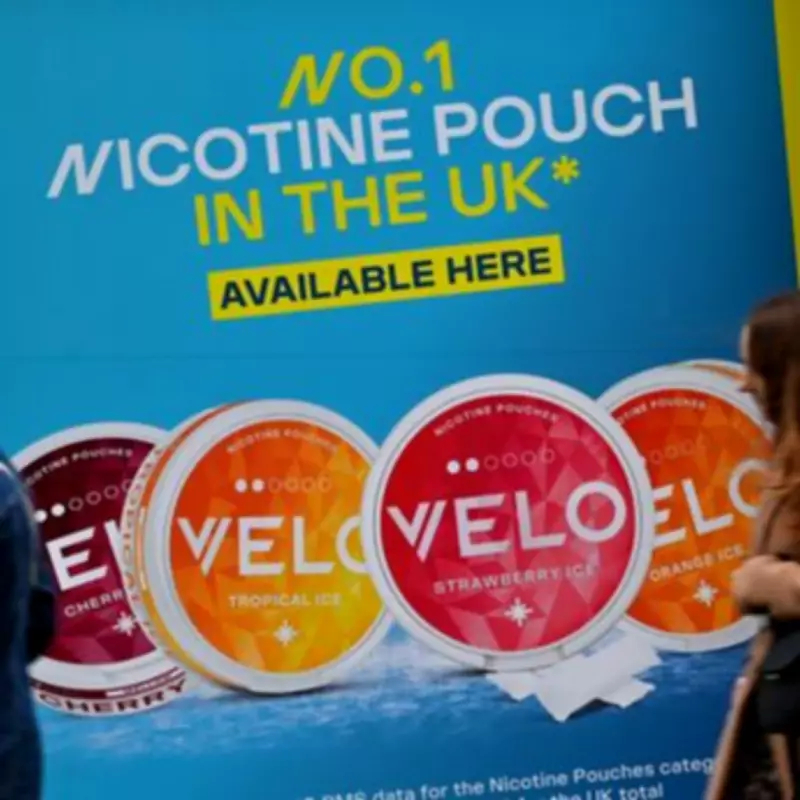
Transport for London (TfL) earned more than £1 million from nicotine-related advertisements over the past year, new data has revealed. The transport authority raised £1,090,600 from running 56 campaigns across the Tube, Overground, DLR and Elizabeth line networks.
Revenue triples in one year
The amount raised between April 2025 and March 2026 more than tripled compared to the previous financial year. In response to a previous Freedom of Information (FOI) request, TfL reported that it had earned £309,841 in growth revenue from 11 campaigns in the 2024/25 financial year.
Responding to the latest FOI request, a case officer confirmed that Velo and Philip Morris International were among five companies that advertised nicotine-related products on the network.

TfL's advertising policy
The case officer stated: “All advertising copy on our network is reviewed on a case-by-case basis against TfL’s advertising policy, which requires advertisers to comply with Advertising Standards Authority (ASA) Guidance and Committees of Advertising Practice (CAP) codes.”
They added: “As nicotine pouches do not contain tobacco, they are not subject to the statutory restriction on the advertising of tobacco products. However, because nicotine is an addictive substance, the ASA advises nicotine pouches should be advertised in a responsible manner. We request our media partners share advertisements for nicotine pouches with us for consideration.”
Government ban enacted
On Wednesday, April 29, the government's Tobacco and Vapes Bill was signed into law, banning the advertising and sponsorship of vapes and nicotine products. The new law is particularly focused on protecting children from vaping and smoking.
Chief Medical Officer for England, Professor Sir Chris Whitty, said: “Marketing vapes at children is utterly unacceptable and this act takes powers to restrict it.”
The ban marks a significant shift in policy, targeting the promotion of addictive substances that had previously been advertised under less stringent regulations.