Buying a used car can be a great way to save money, but it also comes with risks. To avoid purchasing a vehicle with hidden problems, it's essential to check its history thoroughly. This includes verifying the valuation, ensuring there's no outstanding finance, and confirming the mileage is accurate.
Why Check a Used Car's History?
A car's history can reveal important information that affects its value and safety. Issues like outstanding finance, clocked mileage, or accident damage can turn a good deal into a nightmare. Performing a history check helps you make an informed decision.
Key Checks to Perform
- Valuation Check: Compare the car's price with market values to ensure you're paying a fair price. Use tools like Parkers or What Car? to get an accurate valuation.
- Finance Check: Verify that the car is not subject to any outstanding finance. If it is, the finance company could repossess the vehicle even after you've bought it.
- Mileage Check: Check the mileage history to ensure it hasn't been tampered with. A discrepancy could indicate clocking, which is illegal and can affect the car's reliability.
How to Perform a History Check
Several services offer comprehensive car history checks. The most well-known is the HPI Check, which provides data on finance, stolen status, write-off history, and mileage. Other options include the DVLA's vehicle enquiry service for basic information.

Steps to Follow
- Obtain the vehicle's registration number and VIN (Vehicle Identification Number).
- Use a reputable history check service like HPI or mycarcheck.
- Review the report for any red flags, such as outstanding finance, previous write-offs, or mileage inconsistencies.
- If possible, cross-check the mileage with MOT history on the Gov.uk website.
Additional Tips
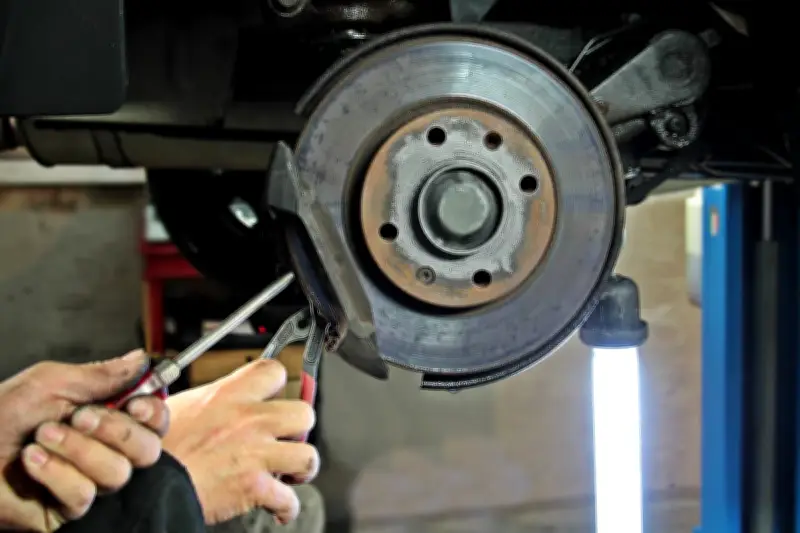
Always take the car for a test drive and have it inspected by a mechanic if you're unsure. Check the service history and look for signs of wear that match the mileage. Remember, a cheap car can end up costing more in repairs if its history is shady.
By taking these steps, you can buy a used car with confidence, knowing you've done your due diligence. Don't skip the history check – it's a small price to pay for peace of mind.