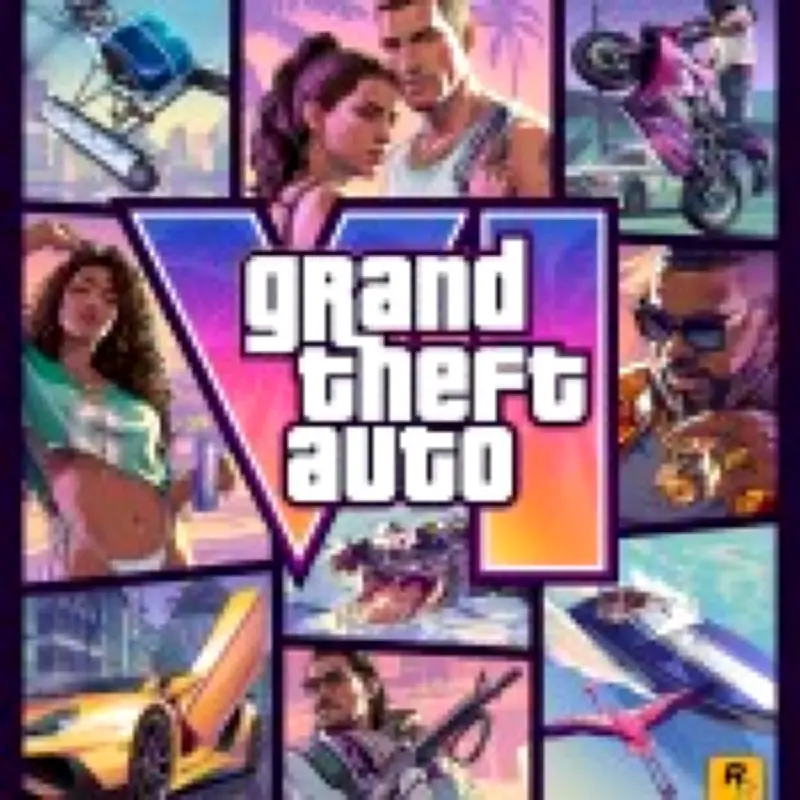
Rockstar Games and Take-Two are reportedly ready to end physical media for video games with the release of GTA 6, and a reader argues it is long overdue. While DVDs and CDs disappeared years ago, video games have clung to plastic waste. The shift to digital promises significant environmental and economic benefits.
Environmental benefits of digital-only games
Global plastic waste exceeds 350 million tonnes annually, with only about 10% recycled and 235 million tonnes dumped in landfills. Cutting down on plastic from game cases is a clear bonus. Most gamers do not hold onto physical copies; second-hand stores are filled with unsold games. Modern game cases lack the art and manuals of older generations, making them mere plastic shells.
Physical distribution involves manufacturing, packaging, shipping, warehousing, and retail logistics, each step adding to the environmental footprint. Digital distribution reduces this supply chain, though data centres consume electricity. For games selling millions of copies, even small per-unit savings add up to significant emission reductions.

Pricing and market dynamics
Digital-only could stabilise game prices. PC games on Steam have often been £10-20 cheaper at launch partly because they avoid retailer margins of 15-20%. Console digital prices have remained high to avoid undercutting retailers. With digital-only, price drops could become more frequent, as seen on Steam, allowing market-driven pricing without angering retailers.
The collapse of the second-hand market also factors in. Second-hand stores operate on 30-60% profit margins, often paying below market value. Lost sales from reselling are passed on to consumers. Digital distribution eliminates this, potentially lowering costs.
Ownership and game sharing
Concerns about ownership are overblown. A disc does not guarantee full ownership; software rights are licensed. Digital libraries can be preserved through backups. The reader has maintained backups of every game since the Super Nintendo era. Services like Steam Family Sharing and console game sharing have been available for years.
Server shutdowns are rarely an issue; the reader has redownloaded purchases from PlayStation 3, Wii U, and other consoles up to 20 years later. Discs can be scratched or broken, while digital copies remain accessible. Most modern games require day-one patches and years of updates, so discs alone offer an inferior product.
Collector's editions and the future
Physical media served the industry well, with NES and SNES boxes featuring manuals, maps, and artwork. Today's releases are often plastic cases with licence discs requiring huge downloads. The reader suggests reserving physical releases for genuine collector's editions in limited runs, made to order after games are complete.
Digital-only does not mean everyone must prefer it; collecting remains valid. But physical media as the default no longer makes sense when the industry has evolved beyond it. Embracing digital properly could lower costs, improve ownership rights, and expand sharing options.