

Airlines Take Firm Stand Against 'Barebeaters' Following Passenger Removal Incident
A recent incident involving a passenger being removed from an American Airlines flight has highlighted a growing crackdown by major airlines on the infuriating travel habit known as "barebeating." This term, coined to describe individuals who play audio or video content without headphones, is becoming a focal point for airline policies aimed at maintaining cabin decorum.
The Incident That Sparked Attention
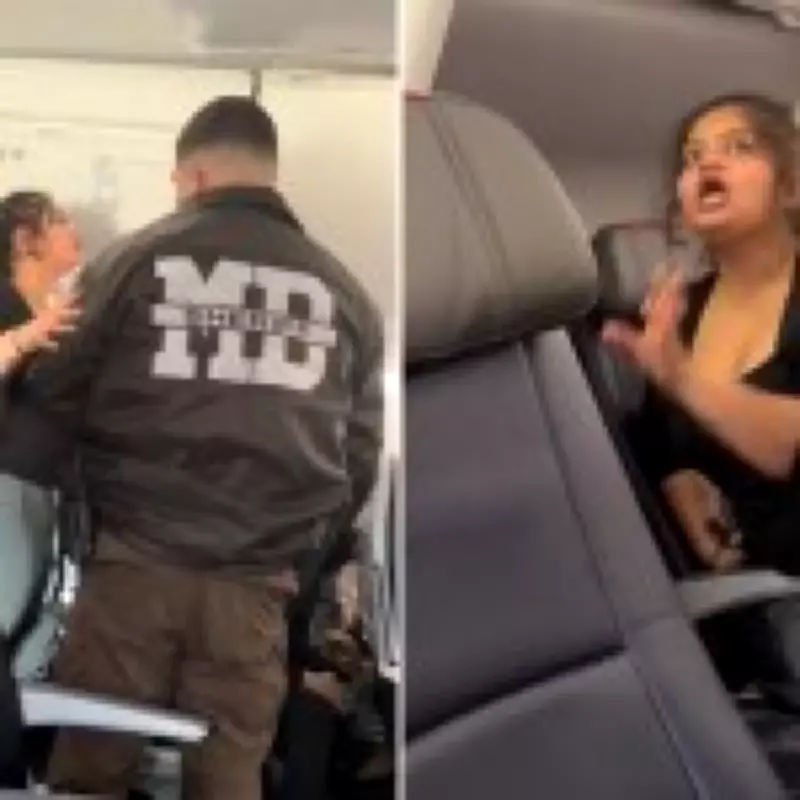
Video footage emerged showing a woman being escorted off an American Airlines flight from Miami to Tampa after repeatedly ignoring crew requests to stop playing a video on her phone's loudspeaker. Described by another passenger as appearing intoxicated, the woman was recorded exclaiming, "I played a video for 30 f*king seconds at 50% sound, and that's the f*king reason you're kicking me off." Despite her claims that she complied after the second warning, police ultimately removed her from the aircraft.
This event comes at a time when airlines are increasingly addressing disruptive behaviors that affect passenger comfort. The incident underscores the tension between individual freedom and collective courtesy in shared transportation spaces.

United Airlines Leads With Formal Ban
Shortly before this incident, United Airlines announced a comprehensive ban on "barebeaters" by updating its contract of carriage. The airline, which transported 2.4 million British passengers in 2024, added a specific clause allowing crew to remove passengers who "fail to use headphones while listening to audio or video content." In an official statement, United Airlines declared, "UA has the right to refuse transport, on a permanent basis, any passenger who engages in any of the activities in this Rule."
United operates up to 24 daily departures from the UK to key US destinations including Chicago, Texas, and Los Angeles, making this policy particularly relevant for British travelers. The airline clarified that passengers removed under this clause may be eligible for refunds upon request, and free earbuds are available on board to prevent issues.
American Airlines' Approach and Industry Trends
While American Airlines has not implemented a blanket ban, it has instructed crew to offer borrowed earbuds and use polite reminders to encourage compliance. This softer approach contrasts with United's stricter measures but reflects a broader industry trend toward addressing passenger etiquette.
Globally, other entities are taking similar actions. Last month, the Indian government reminded travelers that playing music aloud on aircraft could lead to legal repercussions, including fines for "unruly behavior." These developments indicate a shift toward formalizing expectations for in-flight conduct.
The Psychology Behind 'Barebeating'
To understand why some passengers engage in this behavior, insights from self-described "barebeaters" reveal varied motivations. Ryan Barclay, a 26-year-old from Glasgow, explained that he listens to podcasts without headphones to remain aware of passenger announcements and avoid the "isolating" effect of headphones. He believes, "People expect a certain level of noise on public transport," and claims he would respond respectfully if concerns were raised.
However, surveys suggest most travelers find the practice disruptive. A Transport for London (TfL) study in 2025 found that 70% of commuters were bothered by loud audio on public transport, prompting London Mayor Sadiq Khan to launch a campaign encouraging headphone use.
Legal and Contractual Implications
Every airline operates under a "contract of carriage," a legally binding agreement outlining passenger rights and airline responsibilities. These contracts vary by carrier, making it essential for travelers to review terms before flying. United Airlines' update demonstrates how airlines can enforce behavioral standards through contractual means, potentially setting a precedent for others.
For passengers, this means that forgetting headphones doesn't necessarily lead to removal, as most airlines provide alternatives. However, willful non-compliance can result in serious consequences, including being barred from future flights.

Broader Impact on Travel Culture
The crackdown on "barebeaters" is part of a larger effort to improve the travel experience. As Deputy Mayor of London for Transport Seb Dance noted, "The small majority who play music or videos out loud can be a real nuisance to other passengers and directly disturb their journeys." Public response to such policies has been largely positive, with many advocating for extended rules covering loud phone conversations and other noisy behaviors.
With air travel rebounding post-pandemic, airlines are prioritizing passenger comfort to enhance satisfaction and loyalty. This focus on etiquette reflects a growing recognition that shared spaces require mutual respect, and that small actions can significantly impact the journey for everyone on board.





