

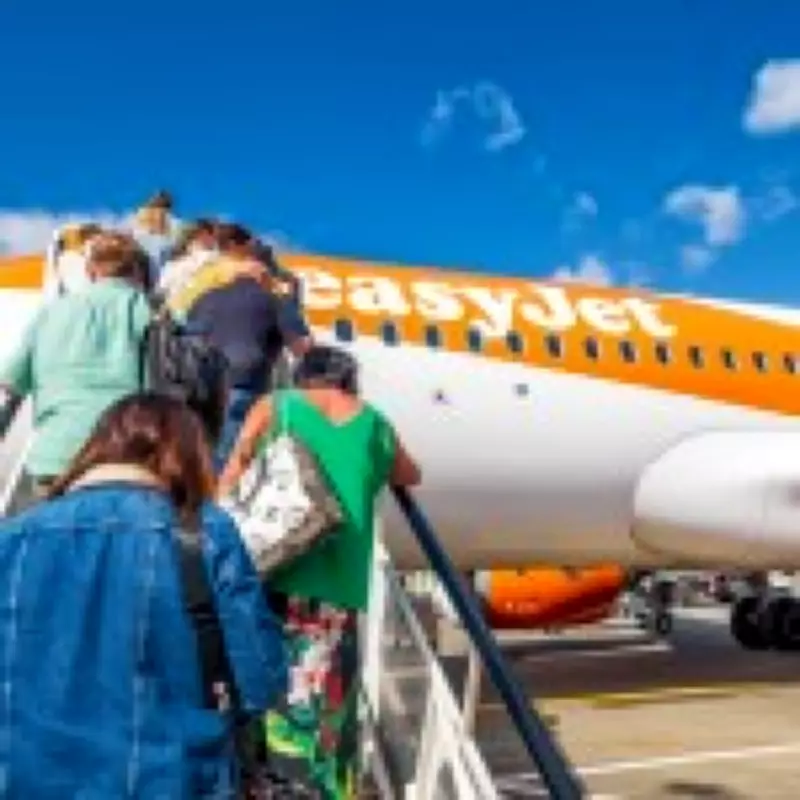
easyJet and Jet2 Issue Urgent Warnings for Travellers to 29 European Countries
As of April 10, 2026, a transformative shift in European travel has taken effect, marking the end of traditional passport stamps for UK and other non-EU travellers. The new Entry/Exit System (EES) mandates that all such individuals undergo biometric registration, including facial photography and fingerprinting, at EU airports and border points. This digital overhaul replaces physical stamping and applies across 25 EU nations plus Switzerland, Norway, Iceland, and Liechtenstein, covering 29 popular destinations in total.
Potential Delays and Airline Guidance
Travel experts and the Home Office have already cautioned about significant delays, with some estimates predicting waits of up to four hours at border controls. Luke Petherbridge, director of public affairs at Abta, emphasized the need for preparation, advising travellers to carry extra water and snacks. In response, airlines have stepped in with their own alerts.
easyJet has proactively updated its website with guidance, stating: 'Airports across Europe may experience longer queues at passport control whilst the new European Entry/Exit System (EES) border checks are being completed. This will mean you may need to have your biometrics taken, including your face and fingerprints scanned.' The budget carrier offers top tips for passengers:

- Plan your travel not just to the airport, but through it, too
- Be prepared for longer queues
- Go to the bag drop as soon as it opens
- Go through security early
- Prepare for additional checks at passport control and upon arriving at your destination
- Go through to the gate as soon as it’s called
- Carry the correct documents with you
Similarly, Jet2 has advised travellers, particularly those heading to hotspots like Spain and Greece, to familiarize themselves with the EES. The airline notes: 'There may be longer wait times than usual when you arrive in destination and before your flight back to the UK. We’re really sorry for any inconvenience this may cause but unfortunately this is outside of our control.'
How the EES System Operates
The EES requires most non-EU travellers, known as third-country nationals, to register passport details and biometric data—fingerprints and facial images—during their first entry into an EU country. Self-service kiosks at borders will facilitate this process, storing data for future visits to expedite verification. Border officials may also ask additional questions about accommodation, financial means, insurance, and return tickets.
Children are not exempt from these checks, though those under 12 are not required to provide fingerprints; they will still need facial scans. The system does not apply in non-Schengen countries like Ireland and Cyprus, where manual stamping continues.
Implementation in the UK
Typically, EES checks occur at the destination airport or port upon arrival. Exceptions include the Port of Dover, St Pancras International, and Folkestone, where dual British and French border controls mean travellers will undergo checks there. This ensures compliance for journeys to the EU from these key transit points.
The rollout of the EES represents a significant step in border security and digital integration, but it comes with challenges for the travel industry and passengers alike. As airlines like easyJet and Jet2 underscore, preparation is key to navigating potential disruptions and ensuring smoother journeys across Europe.






