

Artemis 2 Mission Concludes with Historic Pacific Splashdown
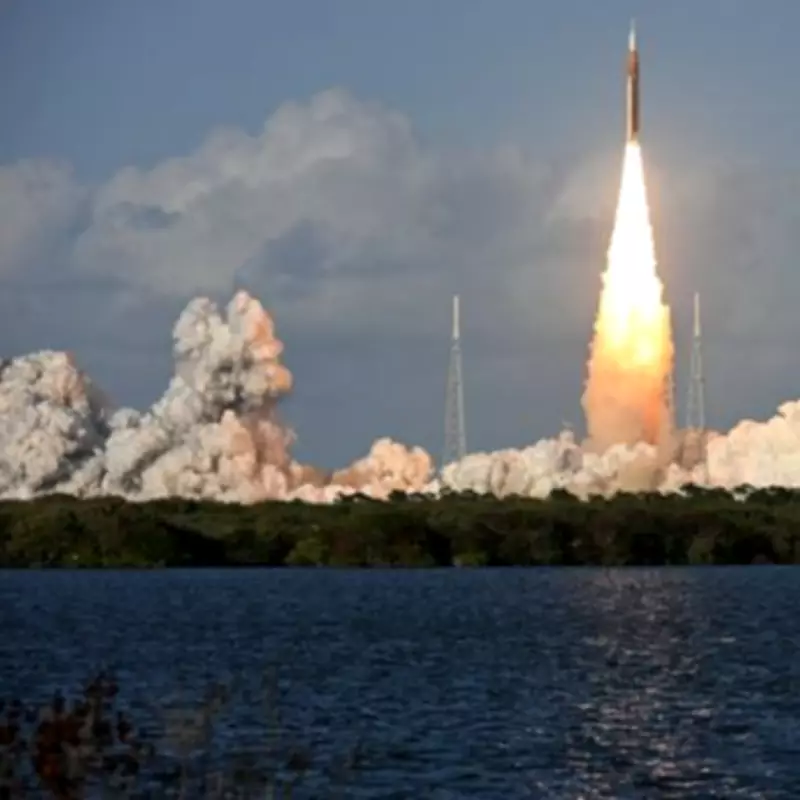
The Artemis 2 mission, a groundbreaking 10-day voyage around the moon, is reaching its dramatic conclusion as the crew prepares for a splashdown in the Pacific Ocean. This NASA expedition marks the first human journey to the moon in over five decades, launching on April 1 from Cape Canaveral with four astronauts embarking on a monumental 685,000-mile odyssey.
Record-Breaking Lunar Journey and Crew Details
The Orion space capsule, carrying the astronauts, has traveled approximately 4,700 miles beyond the far side of the moon, setting a new record for distance in crewed lunar missions. The crew includes Commander Reid Wiseman, Pilot Victor Glover, and Mission Specialist Christina Koch from NASA, alongside Mission Specialist Jeremy Hansen of the Canadian Space Agency. While Artemis 2 does not involve a lunar landing, it serves as a critical foundation for future missions aimed at returning humans to the moon's surface, inspiring a new generation of space enthusiasts.
Future Artemis Missions and Splashdown Preparations
Looking ahead, Artemis 3 will focus on testing lunar landers developed by SpaceX and Blue Origin in low Earth orbit, with Artemis 4 scheduled no earlier than 2028 for a crewed lunar expedition. For Artemis 2, the US Navy is coordinating recovery efforts off the coast of San Diego, with splashdown set for Friday, April 10 (early hours of April 11 in the UK). NASA has outlined that recovery teams will use helicopters to retrieve the crew and transport them to the USS John P. Murtha for post-flight medical evaluations before their return to NASA Johnson Space Center.

Splashdown Time and How to Watch Live
Live coverage of the Artemis 2 splashdown will be streamed on NASA+, beginning at 11:30 PM UK time. The Orion capsule is scheduled to re-enter Earth's atmosphere shortly after 0:50 AM, with the crew initiating re-entry procedures as the craft descends. During this phase, Orion will endure temperatures exceeding 1600°C. Splashdown is forecast for 1:07 AM UK time, and viewers can tune in to NASA+'s live stream from 11:30 PM to witness this historic event unfold.






