

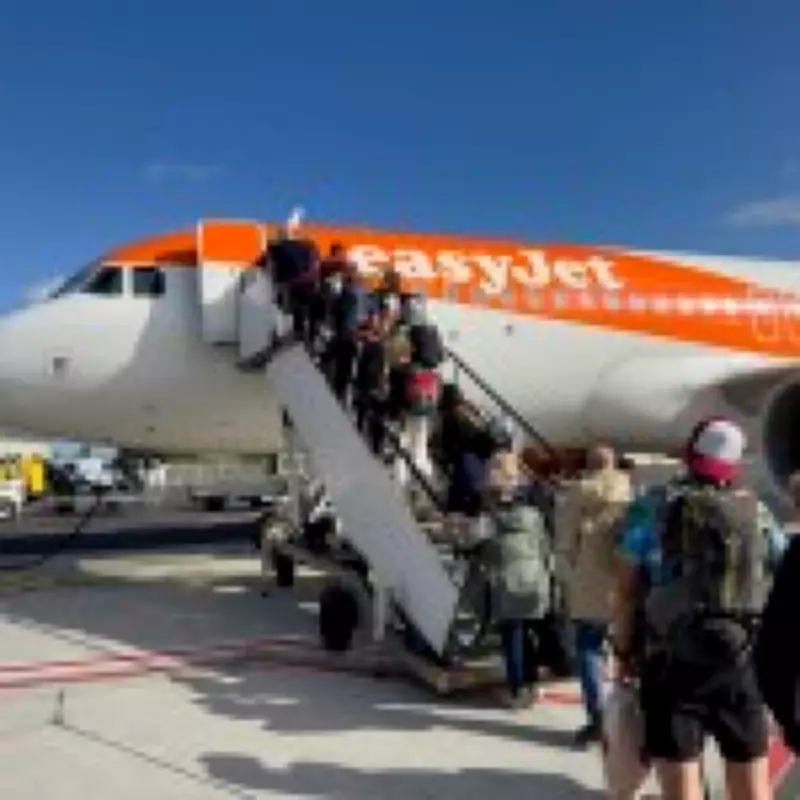
EasyJet has officially reopened its operational base at Newcastle International Airport, marking a significant return more than six years after the budget airline closed the facility during pandemic-era cost-cutting measures. This strategic move represents a major boost for England's northeast region, with the airline confirming the reopening supports approximately 140 direct jobs for pilots and cabin crew while more than doubling the number of destinations available from the airport.
Expanded Flight Operations and New Routes
While EasyJet flights have continued to service Newcastle Airport over the past six years, the decision to base three Airbus A320 aircraft at the location will enable substantially increased flight frequencies throughout the day. The newly established base allows for expanded operations and introduces several exciting new routes from Newcastle, significantly enhancing travel options for passengers in the region.
New Destinations from Newcastle
The reopening brings multiple new international destinations to Newcastle's flight schedule, including:

- Antalya in Turkey
- Corfu and Rhodes in Greece
- Rome in Italy (launching March 30)
- Lisbon in Portugal (launching June 22)
- Nice in France
- Reus and Tenerife in Spain
- Sharm-El-Sheikh in Egypt
- Prague in Czechia
- Malta
Leon McQuaid, Director of Aviation Development at Newcastle Airport, expressed enthusiasm about the development, describing the pandemic-era closure as "difficult for everyone" while praising the "huge investment" represented by the reopening as "absolutely fantastic" for the region's aviation sector and economy.
Fuel Hedging and Potential Fare Impacts
Meanwhile, EasyJet CEO Kenton Jarvis has issued warnings about potential long-term fare increases due to ongoing conflict in the Middle East, specifically referencing tensions in Iran. Jarvis explained to BBC that while the budget carrier is "well-hedged"—meaning it has secured significant amounts of fuel at predetermined prices through advance purchasing—fuel pricing remains "volatile" in the current geopolitical climate.
Fuel typically constitutes between 20% and 40% of airlines' total operating costs, making price stability crucial for maintaining affordable fares. Many major airlines, including British Airways, Virgin Atlantic, Ryanair, and EasyJet, employ fuel hedging strategies as a risk management approach, purchasing fuel months or even years in advance at fixed or capped prices to protect against market volatility.
Expert Analysis on Hedging Strategies
Marina Efthymiou, Professor of Aviation Management at Dublin City University, emphasizes the importance of hedging during periods of geopolitical instability. "Because of hedging, certain airlines are going to be more exposed to price shocks than others," she explains. "Who knows what is going to happen, but if the question is which airline is going to perform better during the crisis that is coming, it's the airlines that have done the most hedging."
The conflict's direct impact on the Strait of Hormuz—a critical global shipping route—has already prompted airlines across Europe and worldwide to announce flight cancellations and reductions amid concerns about potential fuel shortages and security risks.
Shifting Travel Demand Patterns
EasyJet has reported increased passenger demand for destinations removed from conflict zones, including the Canary Islands, Spain, Portugal, Malta, and Greece. However, the airline notes "softening demand" for travel to Turkey and Cyprus, reflecting changing passenger preferences amid regional instability.
This shift follows security incidents in the region, including a suspected drone strike on March 1 at RAF Akrotiri, a British military base on Cyprus's southern coast approximately 20 kilometers southwest of Limassol. While flights to and from Paphos and Larnaca airports continue operating as scheduled, local tourism businesses report significant cancellations.

Hotel operators in popular Cypriot tourist destinations including Ayia Napa, Protaras, and Larnaca warn of substantial booking slowdowns ahead of peak season. Hoteliers in the Famagusta district report cancellations primarily affecting April and May reservations, with new booking momentum weakening just as businesses prepare for summer reopening.
The aviation industry continues monitoring the situation closely, balancing expansion opportunities like EasyJet's Newcastle reopening against broader geopolitical challenges affecting fuel costs and passenger confidence in certain destinations.





