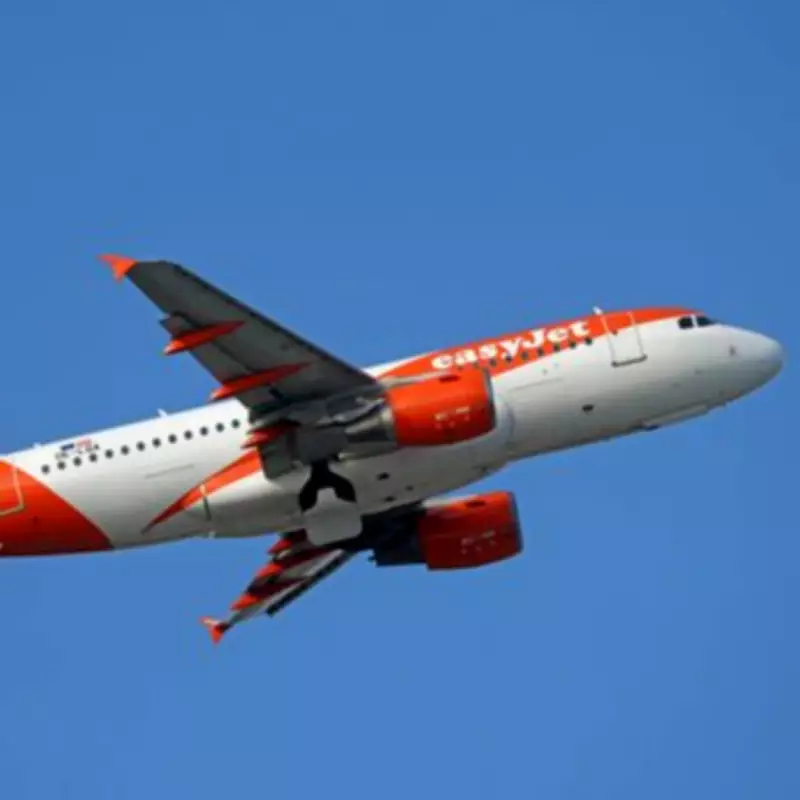
EasyJet Announces Major Seat Upgrade for Enhanced Passenger Comfort
EasyJet has revealed a significant investment in new aircraft seats that promise to deliver up to two inches of additional legroom for passengers. The airline confirmed an order for Kestrel seats from British manufacturer Mirus, which will be fitted across 237 new aircraft starting in 2028.
Innovative Design Creates More Space Without Changing Seat Pitch
Despite maintaining the same seat pitch—the distance between rows—the new seats achieve extra legroom through advanced engineering. Mirus explains that the seats are shaped to position the occupant's hips and spine further back, effectively creating more space for legs. Additionally, the use of carbon fibre instead of traditional plastic allows for thinner seat construction, providing more room for the passenger behind.
This design innovation means that while the physical layout of the cabin remains unchanged, passengers will experience a noticeable improvement in comfort.

Sustainability and Weight Reduction Benefits
The new Kestrel seats are more than 20% lighter than EasyJet's current models, resulting in a weight saving of up to 500 kilograms per aircraft. This reduction translates to substantial fuel savings, with estimates projecting over 12,936 tonnes of fuel saved annually across the fleet. Such efficiency gains align with EasyJet's commitment to reducing carbon emissions and operational costs.
David Morgan, EasyJet's chief operating officer, emphasized the dual benefits of the investment: "This supports our focus on operational efficiency through incremental gains that reduce fuel burn and CO2 emissions. Beyond sustainability, the added legroom and enhanced comfort will improve the onboard experience for our customers."
Fixed Recline Feature and Industry Context
The seats feature a fixed recline of 22 degrees and cannot be manually adjusted, a design choice that may streamline cabin operations. This announcement comes as consumer group Which? recently highlighted that most of EasyJet's existing aircraft have a seat pitch of 29 inches, with some competitors offering even less space in economy cabins.
Ben McGuire, CEO of Mirus, described the order as "one of the largest single-model aircraft seat awards ever," underscoring the manufacturer's dedication to enhancing passenger experience while delivering sustainability and cost savings.
Future Fleet Integration and Passenger Impact
The Kestrel seats will be installed on EasyJet's future Airbus A320neo and A321neo aircraft from 2028 onward. This upgrade is poised to set a new standard for short-haul travel comfort, offering passengers a more spacious and environmentally friendly flying experience without compromising on seat availability or layout.