

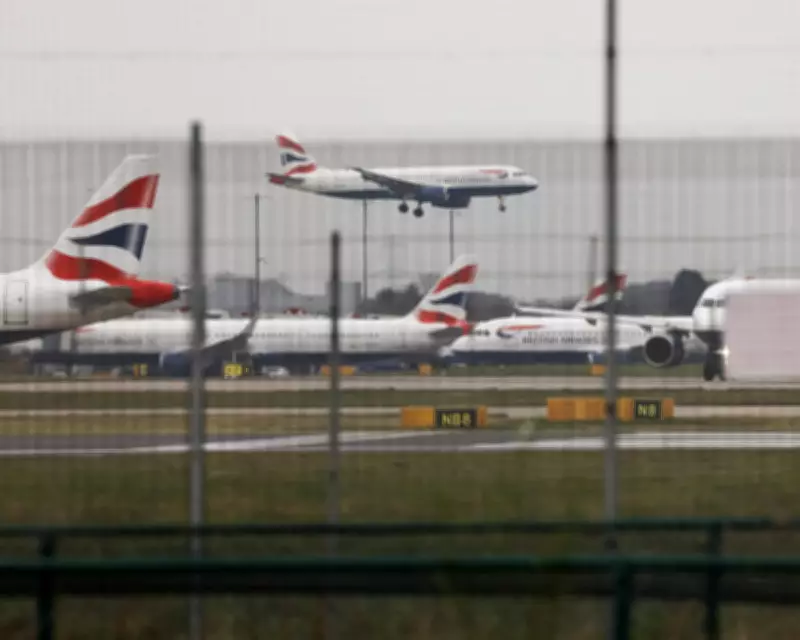
UK Aviation Regulator Rejects Heathrow's Plan for Significant Landing Fee Increases
The UK's Civil Aviation Authority (CAA) has partly rejected plans by Heathrow Airport to significantly raise its landing fees to fund a multibillion-pound upgrade program. The regulator argued that the airport can still invest in necessary improvements without imposing steep increases on ticket prices for passengers.
Proposed Fee Changes and Industry Reactions
Heathrow had proposed a 17% increase in the average passenger charge, raising it from £28.40 to £33.26 between 2027 and 2031. This move was met with strong criticism from airlines, which warned that the cost would be passed on to travelers, leading to higher airfares. In response, the CAA has instead approved a much smaller increase of 1%, setting the average charge at £28.80. This represents a reduction of £5.40, or 16%, compared to Heathrow's proposal, but it is still £5.80, or 25%, higher than what airlines had advocated for.
Selina Chadha, the group director of consumer markets at the CAA, emphasized the regulator's commitment to protecting consumers. "Our primary duty is to protect consumers, and at the heart of today's proposals is doing the right thing for passengers using Heathrow airport, while supporting sustainable growth, investment, and efficiency," she stated. "Our proposals for the airport charges levied by Heathrow on airlines strike the right balance between keeping passenger prices fair, while enabling the airport to make the investment needed to improve services for the future."

Investment Plans and Infrastructure Upgrades
In its initial plans published on Tuesday, the CAA proposed that Heathrow spend between £5.4 billion and £6.1 billion on various projects. These include upgrading the airport's electrical system, a critical need highlighted by a recent incident. Last year, Heathrow was forced to close after a fire at a nearby electricity substation caused a power cut, resulting in the cancellation of more than 1,300 flights. Europe's busiest airport had been seeking approval to spend up to £10 billion to handle an additional 10 million passengers annually by 2031, with upgrades such as modernizing Terminal 5.
Thomas Woldbye, the chief executive of Heathrow, expressed concerns about the CAA's proposal. "We will now review the CAA's initial proposal in detail to fully understand the implications for delivering the innovation, progress, and improvements customers expect," he said. "On the face of it, the CAA's proposal may force choices that create trade-offs for service and delay delivery."
Airlines' Criticism and Future Implications
British Airways' owner, International Airlines Group (IAG), the largest operator at Heathrow, criticized the fee increase, arguing that it would lead to passengers funding "exorbitant" returns for the airport's shareholders. These shareholders include the French private equity group Ardian and Middle Eastern sovereign wealth funds. An IAG spokesperson stated, "Heathrow is already the most expensive hub airport in the world, and we're frustrated with these initial proposals for the next five years that sees [it] overcompensated [and] passengers fund exorbitant investor returns." They also noted that these charges are separate from the proposed £49 billion for a third runway and urged the CAA to consider alternative business plans to curb Heathrow's "excessive spending regime."
The CAA will publish its final proposals in November, which will not include plans for a third runway, with a final decision expected in April 2027. This decision follows a 2023 ruling where Heathrow was forced to cut passenger charges by almost a fifth after losing an appeal to the UK competition watchdog against the CAA. The ongoing debate highlights the tension between funding airport improvements and maintaining affordable travel for consumers.






