

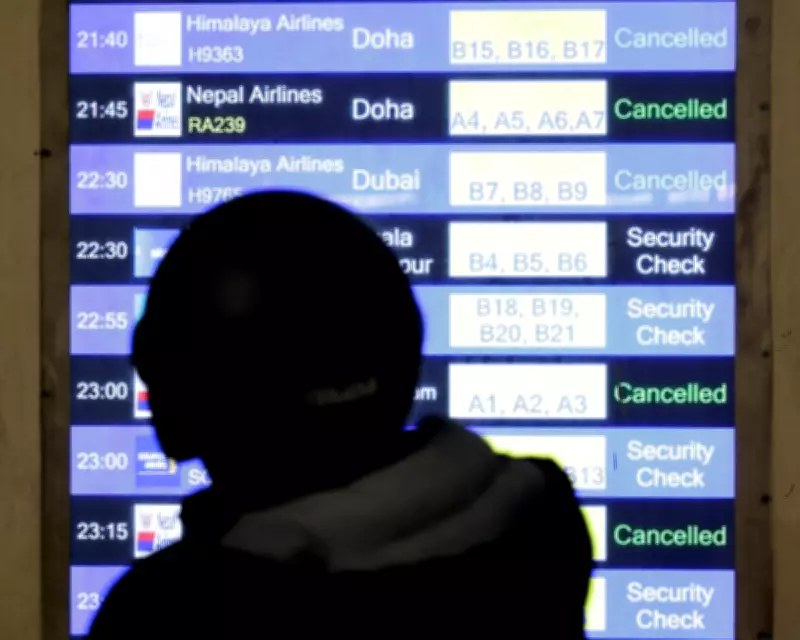
Airspace Closures in Middle East Cause Major Travel Disruptions
Hundreds of thousands of travelers have been left stranded or diverted due to sudden airspace closures across the Middle East. The closures, which have affected multiple countries in the region, have led to widespread flight cancellations and delays, creating significant chaos for passengers and airlines alike.
Impact on Global Aviation
The airspace closures have forced airlines to reroute flights, often adding hours to travel times and increasing fuel costs. Many travelers have reported being stuck at airports for extended periods, with limited information and support from authorities. The disruptions are expected to have a ripple effect on global aviation schedules, potentially affecting flights in Europe, Asia, and beyond.
Causes and Responses
While the exact reasons for the closures have not been fully disclosed, they are believed to be related to regional security concerns or diplomatic tensions. Aviation authorities in affected countries are working to resolve the situation, but no timeline for reopening the airspace has been provided. Travelers are advised to check with their airlines for updates and consider alternative travel arrangements if possible.

The crisis highlights the vulnerability of international air travel to geopolitical events, underscoring the need for better contingency planning in the aviation industry.






