

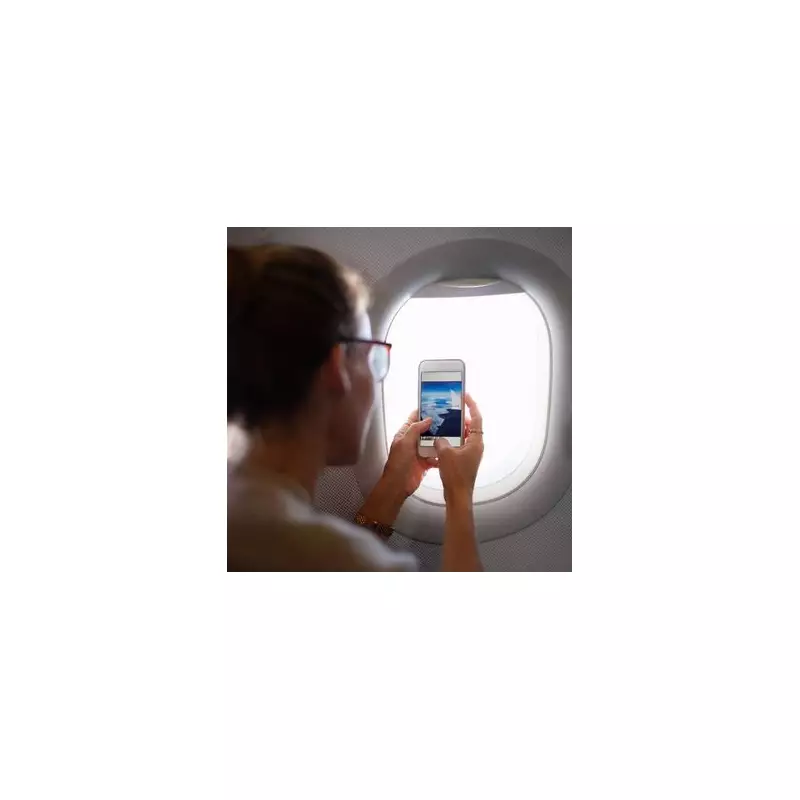
Every air passenger is familiar with the pre-flight drill: seatbelts fastened, tray tables stowed, and mobile phones switched to airplane mode. But what actually occurs if you ignore that final instruction? A pilot has now cut through the myths to provide a clear, factual explanation.
The Truth Behind the Airplane Mode Rule
In a YouTube video shared by WKYC Channel 3, which amassed over 26,000 views, a commercial pilot addressed the common curiosity and concern. He was quick to dismiss extreme fears, stating it is "not a conspiracy" and forgetting is hardly the "end of the world." The aircraft will not fall from the sky, nor will it critically interfere with the plane's core systems.
However, he highlighted a very real and irritating consequence for the flight deck crew. "It does have the potential to mess with the headsets," the pilot explained. On an aircraft carrying 70 to 150 people, if even three or four phones actively search for a signal, the emitted radio waves can create interference through the pilots' headsets.

A "Mosquito" in the Cockpit: A Real-World Example
The pilot recounted a specific incident, reported by the Daily Record, that occurred during take-off from San Francisco. As the crew began receiving crucial instructions from air traffic control, a persistent "annoying buzz" invaded their headset audio.
He described the sound as akin to a "mosquito" or a "wasp" buzzing nearby. This interference is not just a minor nuisance; it can disrupt clear communication during the most critical phases of flight: take-off and landing. While not catastrophic, it adds an unnecessary layer of difficulty when pilots are trying to accurately copy down vital instructions.
Why Airplane Mode is Non-Negotiable
The reasons for using airplane mode extend beyond headset static. Firstly, it prevents potential interference with air traffic control communications, which pilots rely on absolutely. Secondly, while a single phone is unlikely to bring down a plane, the cumulative effect of many devices emitting radio waves could theoretically interfere with sensitive cockpit navigation equipment.
There's also a practical benefit for the passenger. With airplane mode off, your phone relentlessly searches for a distant mobile tower, which rapidly drains your battery. Switching it on preserves your charge for use upon landing.
So, the next time the cabin crew makes the announcement, remember it's less about an urban myth and more about ensuring a clear, distraction-free environment for the people tasked with getting you to your destination safely and efficiently.






