

Private Aviation Sees Unprecedented Surge as Middle East Crisis Deepens
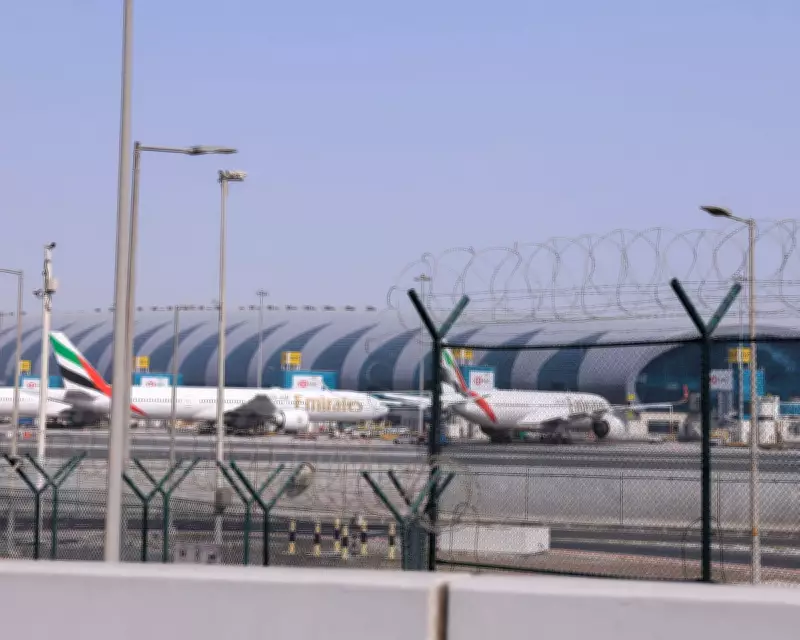
Commercial air travel across the Middle East has ground to a virtual halt, with thousands of flights cancelled and planes sitting idle on tarmacs from Dubai to Muscat. The escalating conflict between the US-Israel alliance and Iran has created a perfect storm of logistical nightmares, leaving an estimated half a million people stranded across the region and desperately seeking exit routes.
"We're Going Gangbusters": Private Jet Requests Skyrocket
Matt Purton, director of aviation services at UK-based global company Air Charter Service, reports that demand for private aircraft has increased by a staggering 200-300% compared to typical seasonal levels. "We're getting calls from absolutely everyone," Purton reveals. "From stranded honeymooners in Dubai and holidaymakers who want to club together to hire a plane to get home, to corporates and wealthy individuals and everything in between."
The company, which typically organizes transportation for governments, corporations, and high-net-worth individuals, finds itself fielding unprecedented requests. While Air Charter Service maintains it doesn't automatically inflate prices during crises, market dynamics have naturally driven costs upward as demand dramatically outstrips available supply.

The Wealthy Scramble for Exit Strategies
For those with substantial financial resources, private jets represent the fastest available escape option from conflict zones. Purton notes that while governments work on larger-scale evacuation plans, private aviation companies can often make decisions and execute plans more rapidly. "When there's a war happening," he observes, "it doesn't really distinguish between millionaires and billionaires."
The situation has created what Purton describes as "the worst air crisis we've had since Covid." With air corridors narrowing and the constant threat of additional closures, the aviation director emphasizes the fluidity and complexity of the current situation, comparing it to "turning up after an earthquake with a dustpan and brush."
Call for Coordinated Government Action
Purton advocates for European governments to establish coordinated air bridges to facilitate mass evacuations. He suggests locations like Oman could serve as strategic hubs, with flights transporting people from Muscat or Fujairah International Airport to safer destinations such as Larnaca or Malta.
"I think European governments need to work together on this," Purton stresses. "If they set up an air bridge somewhere like Oman they can move more people out more quickly." His company, which typically charters entire aircraft, has begun selling individual seats on some flights specifically to help evacuate stranded individuals from the Middle East.
British Nationals Among Those Affected
The crisis has particularly impacted British citizens, with an estimated 300,000 Britons believed to be in affected regions of the Middle East. More than 130,000 have registered interest in evacuation assistance with authorities. Initial government evacuation flights have experienced delays due to operational challenges, with the first planned flight from Oman postponed from Wednesday to Thursday evening.
The Foreign, Commonwealth and Development Office has issued travel advisories against all but essential travel to Bahrain, Kuwait, Qatar, and the UAE, while completely prohibiting travel to and from Israel and Palestine. These restrictions have compounded the challenges for those seeking to leave the region.
A Complex Web of Aviation Challenges
The crisis extends beyond simply having enough aircraft available. Purton explains that many planes and crews are positioned in locations around the world that make rapid response to Middle Eastern emergencies logistically challenging. This geographical mismatch between available resources and urgent needs further complicates evacuation efforts.
"Companies like ours are called on to pick up the pieces in these situations," Purton notes, emphasizing the collaborative relationship between private aviation firms and government entities. While private companies can move quickly, they often rely on governments for diplomatic support and coordination in complex international crises.

The aviation director remains cautiously optimistic but realistic about the evolving situation, acknowledging that the only constant in the current crisis is its fluidity. As the conflict continues to disrupt air travel across the region, the scramble for exit options—whether through government evacuation programs or private aviation solutions—shows no signs of abating.





