

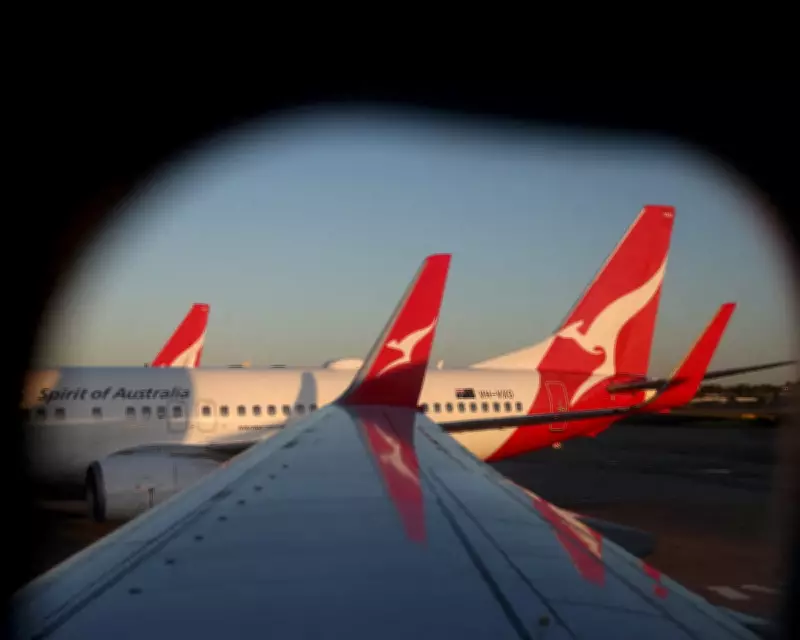
Qantas Implements International Fare Hikes Amid Middle East Fuel Price Turmoil
Qantas has officially confirmed it is raising prices on its international airfares due to significant volatility in oil prices directly caused by the ongoing war in the Middle East. Simultaneously, the Australian airline has reported substantially higher-than-normal ticket sales for flights to Europe, creating a complex operational and financial landscape.
Fuel Price Pressures and Strategic Hedging
A Qantas spokesperson clarified on Tuesday that while the company maintains hedging strategies to mitigate jet fuel price fluctuations, these measures did not provide complete coverage against the dramatic spike following escalating oil prices. The spokesperson emphasized that the extent of fare increases will vary across different international routes, though specific percentage details were not disclosed publicly.
European Route Demand Surge
The conflict, which intensified following US-Israel military actions against Iran in late February, has created widespread disruption across global aviation networks. Major airports and airspaces throughout the Middle East have been affected, including Dubai International Airport—one of the world's busiest aviation hubs and Emirates' primary stopover location.

Despite Qantas not operating direct flights to the Middle East, the airline has experienced a remarkable surge in bookings as passengers originally scheduled with affected carriers seek alternative travel arrangements. The spokesperson noted that trips to and from Europe between April and June have shown particularly strong demand increases in recent weeks.
Specific routes demonstrating exceptional booking levels include:
- Perth to London services exceeding 90% capacity in March (up from typical 75% levels)
- Perth to Paris flights showing similar high occupancy rates
- Services routed through Singapore operating near maximum capacity
The seasonal Perth-Rome service, scheduled to resume operations in May, has also generated substantial advance demand according to airline representatives.
Capacity Expansion Considerations
In response to this unexpected demand pattern, Qantas revealed it is actively evaluating potential capacity additions to its Europe-bound routes. These expanded services would utilize existing connection points through the United States, various Asian destinations, and South Africa to accommodate increased passenger volumes.
Domestic Operations and Competitive Landscape
While Qantas confirmed that rising jet fuel prices have increased operational costs across its entire group, the airline has not indicated whether similar fare adjustments will apply to domestic Qantas flights or Jetstar services. Virgin Australia, Qantas' primary domestic competitor, had not announced any corresponding price increases as of Tuesday evening.
Virgin Australia previously reported in February that it has secured hedging protection for approximately 85% of its fuel costs during the first half of 2026, providing some insulation against price fluctuations. The company is reportedly monitoring Middle East developments closely while assessing potential implications of sustained fuel price elevations.
Broader Industry Impact
The ripple effects extend beyond Australian carriers. Air New Zealand informed investors on Tuesday morning that projected profits would no longer align with previous expectations due to the sharp increase in jet fuel expenses. This announcement highlights the widespread challenges facing airlines operating in the current geopolitical climate.
Global Oil Market Dynamics
Brent crude, the international benchmark for oil pricing, reached a peak of US$119.50 per barrel on Monday as Middle East hostilities intensified concerns about potential energy supply disruptions. Prices subsequently declined to $91.58 per barrel following public comments from the US president describing the conflict situation.

The strategic significance of the region is underscored by the fact that approximately one-fifth of global oil shipments and seaborne gas tankers typically transit through the Strait of Hormuz adjacent to Iran. This critical maritime passage has effectively been closed for approximately one week, contributing to supply concerns and price volatility.
The combined effects of geopolitical instability, fuel cost pressures, and shifting passenger demand patterns are creating unprecedented challenges for international aviation operators, with Qantas' announcements representing just one manifestation of these broader industry dynamics.





