

Rolls-Royce CEO Advocates for German Involvement in UK's Advanced Fighter Jet Initiative
The chief executive of Rolls-Royce has publicly endorsed the possibility of Germany contributing to Britain's next-generation fighter aircraft program, emphasizing that such collaboration could significantly boost business prospects and economic growth. Tufan Erginbilgiç, who has led the engineering firm since 2023, stated that he would "definitely be open" to German participation in the Global Combat Air Programme (GCAP), also known as Tempest.
Strategic Partnerships and Economic Implications
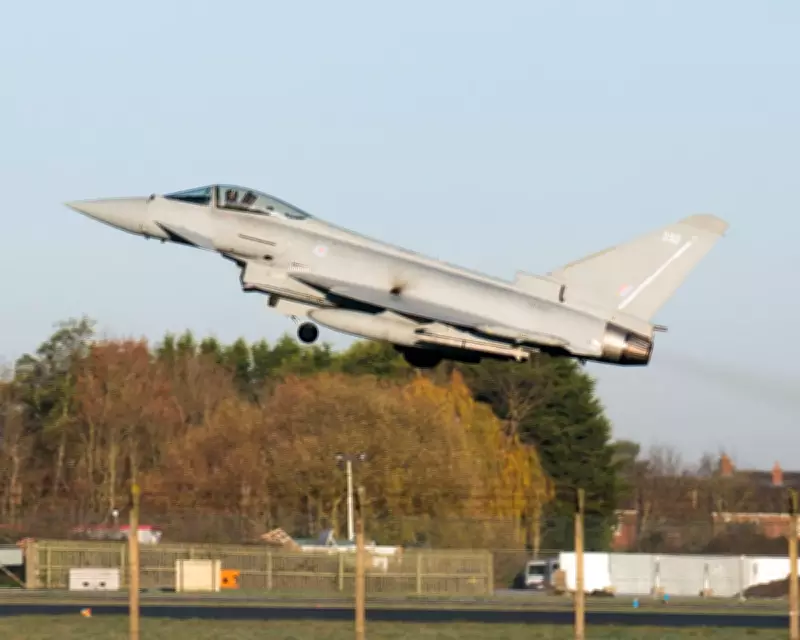
This advanced aircraft is designed to replace the Eurofighter Typhoon and is currently a joint venture between the United Kingdom, Italy, and Japan. Rolls-Royce is responsible for developing the engine, a critical component that has garnered increased attention as rival projects, such as the Franco-German Future Combat Air System (FCAS), face substantial setbacks. Erginbilgiç highlighted that Germany's involvement could expand the program's market reach, as partner nations typically commit to purchasing the final product.
He explained, "We already work with Germany ... we have a big position in Dahlewitz, a Rolls-Royce factory near Berlin. In terms of civil aerospace, we do business aviation engines there. But the GCAP benefit will be beyond that. More countries joining means more countries will certainly buy, because you cannot be a partner and not buy." However, he clarified that the ultimate decision rests with the government, noting that geopolitical developments could influence this possibility.

Context of European Defence Dynamics
Speculation about Germany joining GCAP has intensified following disputes within the Franco-German FCAS project. Tensions between Dassault, France's primary fighter jet manufacturer, and Airbus's German defence division have stalled progress. In February, German Chancellor Friedrich Merz indicated that the proposed warplane did not align with Germany's military requirements, citing differences over nuclear capabilities as a technical rather than political issue.
Meanwhile, the United Kingdom has signaled openness to new partners in GCAP, though experts caution that this could potentially delay the program, which aims to enter service by 2035. Delays have already occurred, including postponed contract signings linked to a pending defence spending plan. European nations are accelerating defence investments in response to threats from Russia, with former U.S. President Donald Trump urging the continent to enhance its own security funding.
Economic Growth and Technological Advancements
Erginbilgiç underscored the dual benefits of defence programs, arguing that they not only bolster national security but also drive economic expansion and technological innovation. He remarked, "Today the UK exports Eurofighters. If you don't have that capability, how am I going to export Eurofighters? You cannot. It's as simple as that. Don't look at a defence programme like a defence programme. It can also help drive economic growth for the country, and improves the technology that you can then use in civil aerospace."
This statement followed Rolls-Royce's report of a 40% profit increase last year, fueled by rising demand from datacentres and a broader corporate turnaround. Additionally, geopolitical tensions, such as conflicts involving Iran, could impact defence company stock prices when markets reopen.
Government Stance and Future Prospects
A UK government spokesperson affirmed, "Together with our partners Japan and Italy, we remain open to other partners joining the Global Combat Air Programme (GCAP), while keeping on track with the programme schedule and delivering our future military capabilities." This position reflects a strategic balance between expanding international cooperation and maintaining project timelines amidst evolving global defence landscapes.






