

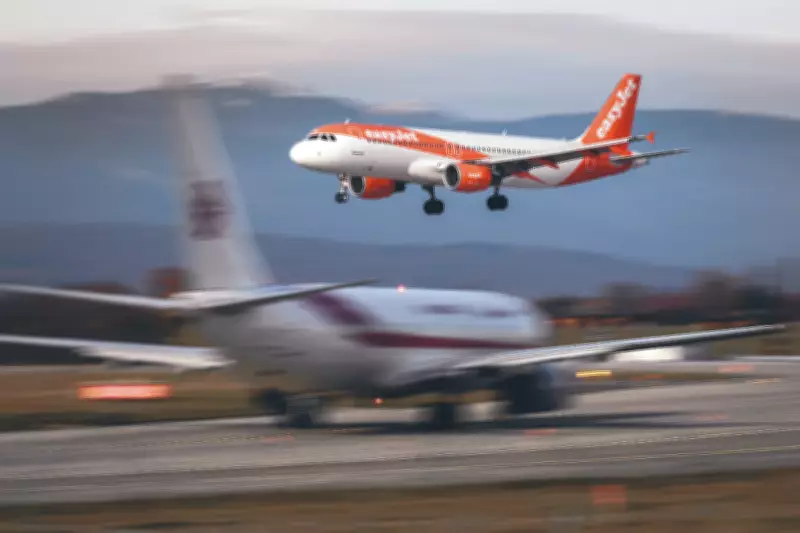
Global Aviation in Crisis as Iran War Triggers Massive Flight Cancellations
The aviation industry is facing an unprecedented crisis as thousands of flights have been cancelled worldwide due to skyrocketing jet fuel costs triggered by the ongoing war in Iran. According to aviation analytics company Cirium, more than one in twenty flights scheduled for departure on Monday were cancelled, with major airlines implementing significant capacity cuts.
Soaring Fuel Prices Ground Airlines
Jet fuel prices have surged to $1,710 per metric tonne, representing a staggering increase of over 130% from last year's price of $742. This dramatic escalation has forced airlines to make difficult operational decisions, with Air New Zealand cancelling 1,100 flights through early May and Scandinavian carrier SAS cutting 1,000 flights next month. Both airlines have indicated these cancellations will primarily affect domestic routes.
United Airlines became the first major U.S. carrier to cancel flights due to fuel costs earlier this month, reducing approximately five percent of capacity on less profitable routes. The aviation industry's challenges are compounded by the closure of the Strait of Hormuz, a crucial maritime passage through which twenty percent of the world's oil flows.

Geopolitical Tensions Choke Supply Chains
The blockade of the Strait of Hormuz has created severe supply chain disruptions, causing crude oil prices to surge dramatically. Brent crude reached $116 per barrel in early Monday trading, reflecting the market's response to the geopolitical instability. The United Kingdom is preparing to receive its final known shipment of jet fuel from the Middle East this week, according to Financial Times reports.
Ground transportation is also feeling the impact, with diesel prices reaching 179.9p per liter on Sunday—an increase of more than 35p since the Iran conflict began and 25p higher than petrol prices, according to motoring services company the RAC.
Political Pressure Mounts on Government Response
Prime Minister Sir Keir Starmer faces mounting pressure to address the unfolding energy crisis. Senior executives from HSBC, Goldman Sachs, and Shell met with the Prime Minister on Monday to discuss the government's engagement with regional partners and allies to support de-escalation efforts.
The government has maintained that there is "no need to take action" on fuel duty, despite retailers calling on the Labour administration for energy bailouts with warnings that increased costs will ultimately be passed on to consumers. This aviation crisis represents one of the most significant challenges to global transportation networks in recent years, with ripple effects extending across multiple economic sectors.






