

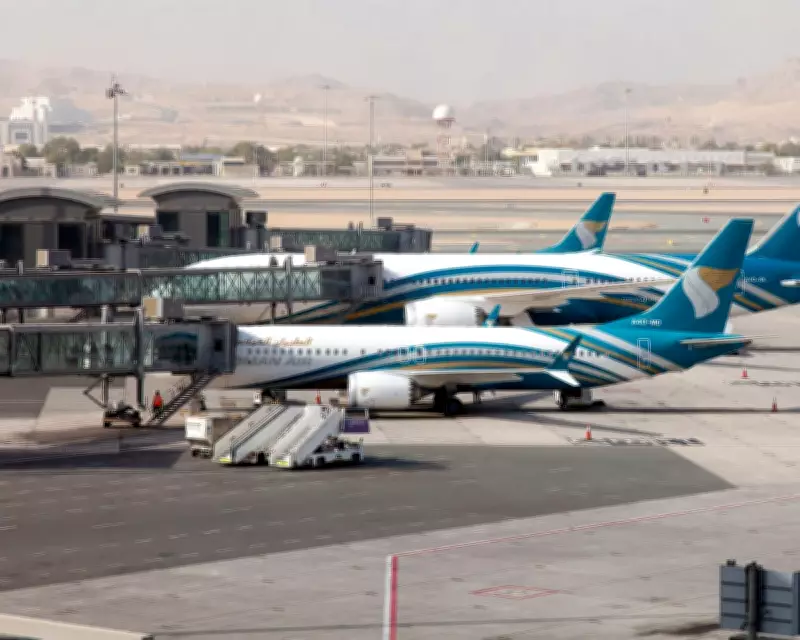
UK Rescue Flight from Oman Delayed Amid Escalating Middle East Conflict
A UK government-chartered rescue flight intended to evacuate British nationals from the Middle East has been delayed, with operational issues preventing its departure from Muscat, Oman, as announced by Home Office minister Alex Norris. The flight, which was scheduled to leave on Wednesday night, is now expected to depart on Thursday, though specific timing remains uncertain.
Operational Challenges and Passenger Logistics
Minister Norris explained that the delay stemmed from operational reasons related to boarding passengers, stating that the process could not be completed within the required timeframe. This setback occurs as the UK government faces mounting pressure to assist approximately 138,000 registered individuals seeking help, with the majority located in the United Arab Emirates.
According to opposition leader Keir Starmer, around 1,000 British nationals have already returned via commercial flights. The government has indicated that two additional chartered flights are planned for this week to repatriate stranded citizens from the region.

Widespread Regional Conflict and Its Impact
The delay unfolds against a backdrop of intensifying conflict across the Middle East, following military strikes by the United States and Israel against Iran one week ago. Retaliatory missile attacks from Iran have targeted US infrastructure, drawing numerous regional nations into the hostilities.
Key locations such as Dubai, a major global air travel hub and popular destination for British tourists, have been affected. Iranian missiles struck the UAE over the weekend, damaging luxury hotels including the Fairmont the Palm and the Burj Al Arab, as well as the international airport.
Personal Stories of Stranded Travelers
Among those trapped is Faye Morton from Horsforth, Leeds, who became stranded in Qatar during a layover en route to Seoul, South Korea. Speaking to BBC Radio Leeds, Morton described experiencing severe distress, including difficulty eating and sleeping, and waking to the sound of missiles shaking her hotel.
Morton expressed feeling abandoned by the UK government, particularly as a woman alone in a country with restrictive policies on women's rights. She has remained in her hotel following Qatari government advice to shelter in place, after Qatar suspended natural gas production due to Iranian drone strikes on energy facilities and reported shooting down two Iranian fighter jets.
Morton appealed for direct communication from UK authorities, stating, "We need some view that there is a way out, because right now it doesn't feel that way."
Political Debate Over Taxpayer Funding
The rescue efforts have sparked political controversy regarding the use of taxpayer funds to repatriate British nationals living abroad, many of whom reside in tax-friendly jurisdictions like the UAE. Liberal Democrat leader Ed Davey argued in Parliament that individuals who avoid UK taxes should not benefit from publicly funded rescue operations.
Davey emphasized, "Since we rightly expect our armed forces to protect British citizens around the world in a crisis, it's only right that tax exiles start paying taxes to fund the armed forces like the rest of us." This debate highlights broader questions about governmental responsibility toward citizens abroad during international crises.
The situation remains fluid, with ongoing security concerns and logistical challenges complicating evacuation efforts for thousands of British nationals across the conflict-ridden Middle East.






