

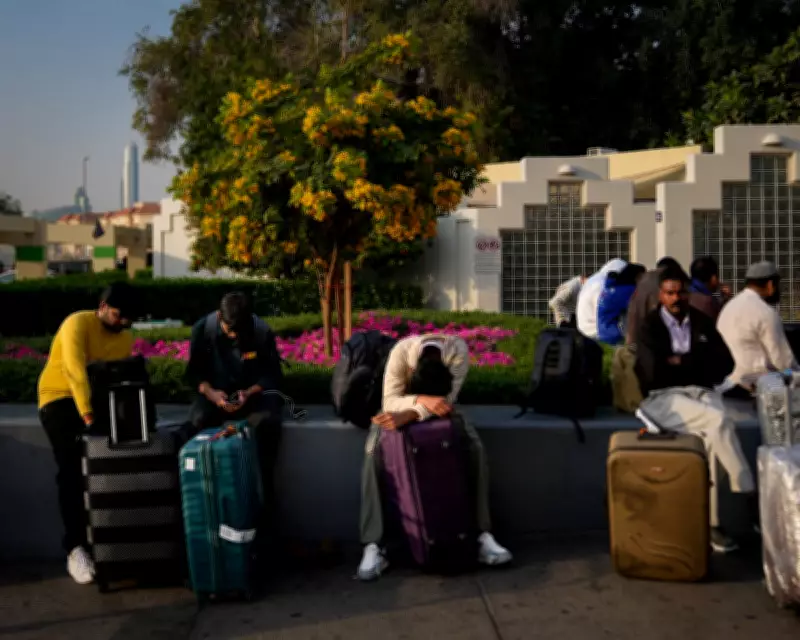
US-Israeli Conflict with Iran Creates Major Global Airspace Disruption
The escalating military actions between the United States, Israel, and Iran have resulted in a substantial and widespread disruption to global airspace, creating significant challenges for international aviation. This conflict has led to the closure of key air corridors and the implementation of extensive no-fly zones, severely impacting flight routes and schedules across multiple continents.
Impact on International Aviation
The conflict has forced airlines to reroute flights, leading to increased travel times, higher fuel costs, and operational inefficiencies. Major international hubs have experienced delays and cancellations, with passenger safety becoming a paramount concern. Aviation authorities worldwide are closely monitoring the situation, issuing advisories and adjusting flight paths to avoid conflict zones.
The disruption is not limited to the immediate region; it has ripple effects across global air traffic management systems. Airspace closures in the Middle East have compelled flights between Europe, Asia, and Africa to take longer, more circuitous routes, straining air traffic control resources and increasing the risk of congestion in alternative airspaces.

Military Actions and Airspace Safety
The US-Israeli military operations against Iran, including airstrikes and missile deployments, have directly contributed to the creation of this airspace hole. These actions have necessitated the establishment of exclusion zones to prevent civilian aircraft from entering areas of active conflict, further fragmenting global air routes.
Aviation experts warn that the prolonged conflict could lead to lasting changes in international flight patterns, with potential long-term implications for airline economics and global connectivity. The situation underscores the vulnerability of global aviation to geopolitical tensions and the need for robust contingency planning.
Global Response and Future Outlook
International organizations, including the International Civil Aviation Organization (ICAO), are working to mitigate the impact by coordinating with national authorities and airlines. However, the ongoing nature of the conflict complicates efforts to restore normalcy to global airspace.
- Airlines are implementing emergency protocols to ensure passenger safety.
- Governments are advising travelers to expect delays and stay informed about flight statuses.
- Aviation insurers are reassessing risk models in light of the heightened geopolitical instability.
The massive hole in global airspace serves as a stark reminder of how military conflicts can transcend regional boundaries, affecting international systems and economies. As the US-Israeli war on Iran continues, the aviation industry faces unprecedented challenges in maintaining safe and efficient global air travel.






