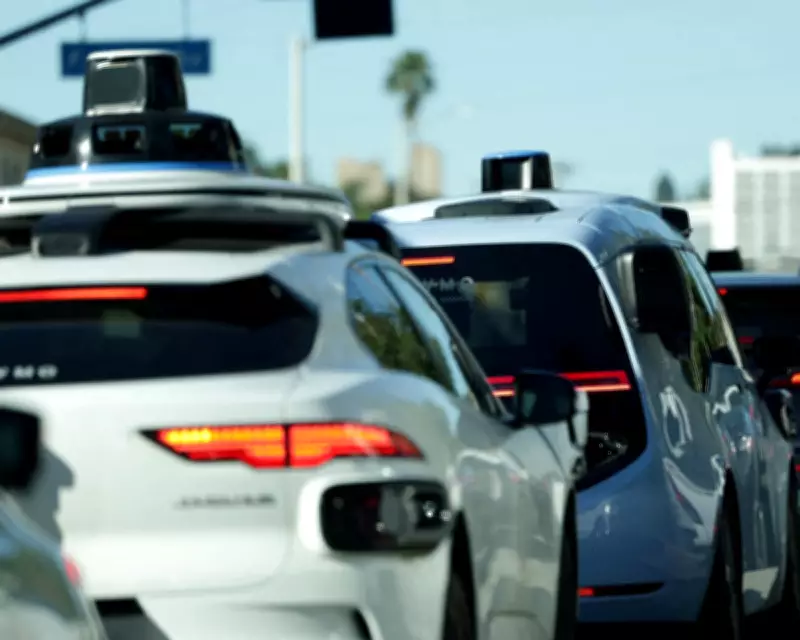
In a significant test of autonomous vehicle capabilities, Waymo's fleet of driverless taxis operated throughout San Francisco during the bustling Super Bowl weekend. The event, which drew massive crowds to the city, provided a real-world scenario for evaluating how self-driving technology handles peak urban demand and complex traffic conditions.
Navigating High-Stakes Urban Environments
The Super Bowl, held in early February 2026, transformed San Francisco into a hub of activity, with thousands of visitors descending upon the city for the championship game and related festivities. This created an ideal, albeit challenging, environment for Waymo to demonstrate the robustness of its autonomous taxi service. The company's vehicles, which rely on advanced sensors, artificial intelligence, and mapping systems, were tasked with navigating congested streets, unpredictable pedestrian flows, and heightened security measures.
Performance and Public Reception
Initial reports indicate that Waymo's driverless taxis managed the increased demand effectively, offering rides to residents and tourists alike without major incidents. This operation highlights the growing maturity of autonomous vehicle technology, which has been gradually expanding in San Francisco and other cities. The successful deployment during such a high-profile event could bolster public confidence in driverless systems, addressing ongoing concerns about safety and reliability.

However, the Super Bowl weekend also underscored the complexities involved. Autonomous vehicles must contend with dynamic urban elements, such as road closures, emergency vehicles, and large-scale public gatherings. Waymo's ability to adapt to these conditions without human intervention marks a notable step forward in the industry's evolution.
Implications for Future Transport and Urban Planning
The experience in San Francisco suggests that driverless taxis could play a pivotal role in managing transportation during major events, potentially reducing congestion and improving efficiency. As cities worldwide grapple with traffic management and sustainability goals, autonomous services like Waymo's offer a glimpse into a future where technology alleviates urban mobility challenges.
Looking ahead, the lessons learned from the Super Bowl weekend may inform broader adoption strategies. Policymakers and urban planners could leverage such data to integrate autonomous vehicles into public transport networks, ensuring they complement existing infrastructure. This event serves as a case study in how driverless technology can enhance urban life, though ongoing testing and regulatory oversight remain essential to address safety and ethical considerations.