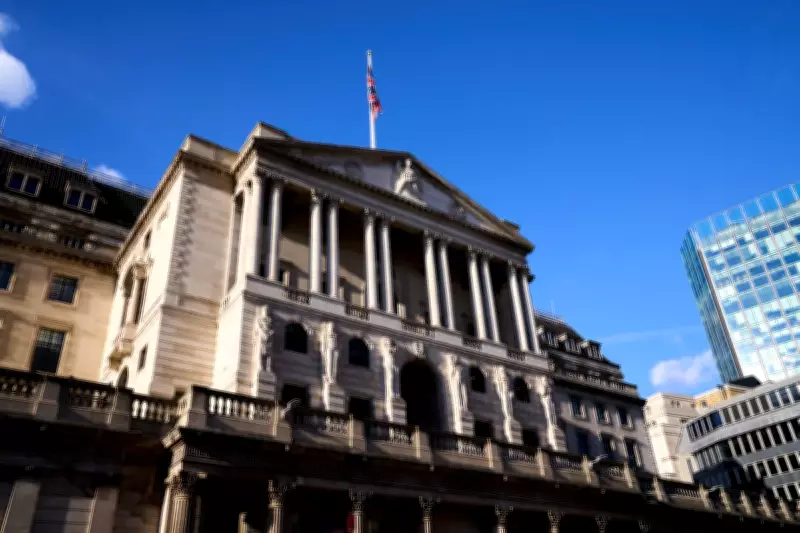
Bank of England to Scrutinize Outdated Inflation Data Amid Global Tensions
Inflation data remains a critical focus for the Bank of England, even as questions arise about its relevance in a rapidly changing economic landscape. The Office for National Statistics is set to release figures this week that are expected to show stable inflation, but these numbers may already be outdated due to recent global events.
The Geopolitical Context Missing from the Numbers
Economists have predicted that the consumer price index inflation for the year to February will come in at three percent, mirroring last month's figure. On the surface, this would appear to be satisfactory reading for policymakers. However, these statistics precede significant geopolitical developments that have since reshaped the economic outlook.
The recent decision by the United States and Israel to launch strikes on Iran, followed by the closure of a crucial trading passage, has disrupted approximately one-fifth of global oil and gas supplies. This development occurred after the February data was collected, meaning the inflation figures won't reflect these market-altering events.

Contrasting Forecasts and Reality
Just recently, Chancellor Rachel Reeves was highlighting Office for Budget Responsibility forecasts that projected inflation falling to the two percent target by next month. However, the Bank of England has since indicated that a sixty percent rise in fuel prices will likely cancel out that anticipated drop, with inflation expected to remain above three percent next month.
The reality is that higher inflation has already returned to the UK economy, creating a disconnect between official forecasts and actual market conditions.
Market Panic and Government Response
Investors and policymakers are expressing growing concern over the exchange of threats between the United States and Iran, particularly regarding potential strikes against energy infrastructure across the Middle East. UK government officials convened an emergency session to assess the financial implications of these developments.
The volatility is evident across multiple markets:
- Oil and gas prices are experiencing significant fluctuations
- Gilt traders have been over-analyzing Bank of England statements
- Gold prices have slumped after a strong start to the year
The full impact of these market movements on inflation, economic growth, public finances, and the jobs market will only become clear through Office for National Statistics data in the coming months.
Government Measures and Household Impact
Ministers are attempting to maintain consistency in the government's cost of living message despite these challenges. For families across the country, Chancellor Reeves' Budget measures to shift energy subsidy costs from household bills to general taxation will still provide some relief.
Additional measures include:
- The Ofgem energy price cap will fall by £117 in April
- Current international market prices will only affect the cap from July
- Fuel duty will remain frozen until September despite surging forecourt prices
Government officials are expected to highlight data suggesting inflation remained steady in February, though this stability may prove temporary.
Key Inflation Indicators for Monetary Policymakers
The Bank of England's Monetary Policy Committee members will be searching for indications that the UK economy is structurally less vulnerable to sudden price shocks than it was in 2022 following Russia's invasion of Ukraine.
Several important data points will receive particular attention:
- Services inflation - This measure provides insight into how "sticky" price growth might be, as it reflects the impact of wage costs on businesses. Several City forecasters expect this to drop slightly.
- Core inflation - Excluding food and energy, this indicator is expected to hold steady, potentially suggesting some underlying stability.
These metrics may offer some reassurance that the UK economy is better protected against "second-round" effects - where high wage growth pushes inflation higher, creating a self-reinforcing cycle - than it was during the 2022 crisis.

Underlying Risks and Market Watchfulness
Interest rate-setters remain alert to several underlying risks. Deutsche Bank analysts have warned that food prices could rise slightly in the coming months. Higher grocery prices typically concern UK households and can feed into elevated inflation expectations, potentially triggering concerning behavioral price-setting trends among businesses.
If these concerns aren't enough to keep investors and officials on high alert, several Monetary Policy Committee members have speaking engagements scheduled for Thursday that will be closely monitored:
- Deputy Governor Sarah Breeden, who adopted a hawkish stance at the last interest rates decision, will participate in a Resolution Foundation event panel
- Megan Greene and Alan Taylor are also scheduled to speak at investment events
Traders who were surprised by the Monetary Policy Committee's bold statement that it was "ready to act" against another energy price shock - potentially including interest rate hikes this year - will be looking for any indications that policymakers are adopting a slightly more dovish approach.
The Limitations of Economic Data
While inflation data that doesn't reflect the wider impact of geopolitical conflicts is unlikely to significantly rattle financial markets, it could influence Monetary Policy Committee members' perceptions of the broader economic outlook. The situation highlights a fundamental truth about economic policymaking: you cannot simply disregard economic data, even when it fails to capture current realities.
The Bank of England faces the challenging task of interpreting outdated statistics while accounting for developments that have already reshaped the economic landscape. This delicate balancing act will test the institution's analytical capabilities and policy judgment in the weeks and months ahead.