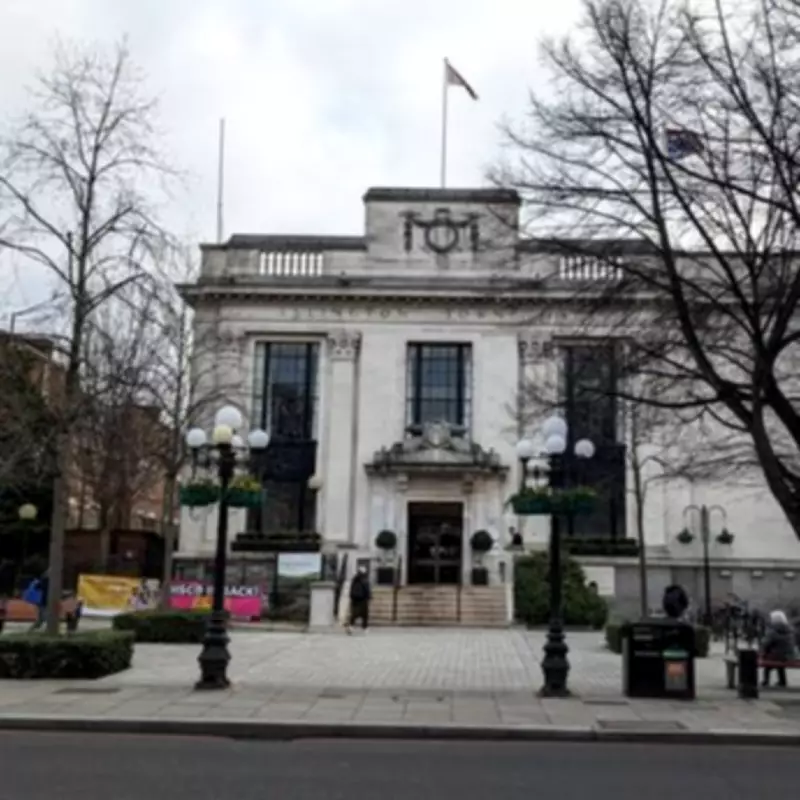
Islington Council Defends Budget Plans Amid Service Cuts Controversy
Islington Council has pledged that frontline services will remain "safe" under its latest budget proposals, which involve stripping millions of pounds from back office functions while promising significant new green space investments. The Labour-run North London borough has presented a balanced budget for the coming financial year, claiming it delivers "value for money" for residents without requiring the use of savings reserves for at least three years.
Financial Position and Service Guarantees
Speaking exclusively to the Local Democracy Reporting Service, Islington's Executive Member for Finance and Performance, Councillor Flora Williamson, stated the council finds itself in a "healthy place" financially. She emphasised that Islington continues to spend more per child than any other London local authority while insisting that no universal services face reductions.
However, the budget includes £2.7 million in savings from children's services that the council is not legally required to provide. This includes drawing down £700,000 from Islington's safeguarding and family support provision through what officials describe as a service "redesign".

Green Space Commitment and Housing Adjustments
In a striking environmental pledge, Councillor Williamson announced plans for 1.5 hectares of new green space across the borough - enough land to cover Arsenal's Emirates Stadium more than five times over. This development comes as London's second-most densely populated borough seeks to enhance its urban environment.
Simultaneously, the council has revised its housing strategy, reducing new homes targets and overall investment as it cancels or modifies development plans. Officials acknowledge that housebuilding will slow due to escalating construction costs, though they have allocated £59 million to repurchase former council properties.
Back Office Restructuring and Efficiency Measures
The budget identifies that most savings will originate from back office functions, including legal, human resources, and finance departments. These reductions will occur through voluntary redundancies and "workforce control" measures where vacant positions are eliminated rather than filled.
When questioned about potential impacts on service quality, Councillor Williamson explained the council would invest in "good technology" to automate processes and improve system integration. She clarified this doesn't necessarily involve artificial intelligence but would reduce the need for "so many staff to keep processes going." The budget report itself acknowledges the risk that staff reductions "may impact service delivery."
Political Opposition and Council Response
Green Party opposition leader Benali Hamdache criticised what he called "dramatic cuts to staff in important backroom functions" alongside reductions in housing and children's services funding. He controversially likened the Labour council's approach to "Tory economics."
Councillor Williamson dismissed this characterisation as "an utter, utter joke," highlighting the council's £100 million investment in new council homes as potentially "revolutionising" residents' lives. The budget also establishes a £5 million fund for one-off investments that promise "tangible difference" to the community, with specific allocations to be announced following further resident consultation.
Financial Context and Future Challenges
Financial reports indicate Islington Council is heading toward a £5 million underspend while government funding increases by approximately 1% overall. However, this support will decrease marginally over the following two years as council costs are projected to rise by around 10%, creating what officials describe as a "driving need for savings and efficiencies."

The council's reserves sit just above the "absolute minimum" threshold, significantly below the London borough average. While the chief financial officer noted "prudent" financial planning, she warned these reserves remain insufficient given the "scale and complexity" of risks facing the authority.
Like numerous English councils, Islington faces uncertainty regarding a potential funding "cliff-edge" when the current multi-year financial settlement concludes in 2029. Additional investments include a substantial £325 million allocation for housing stock repairs, made possible through government borrowing allowances against future income.