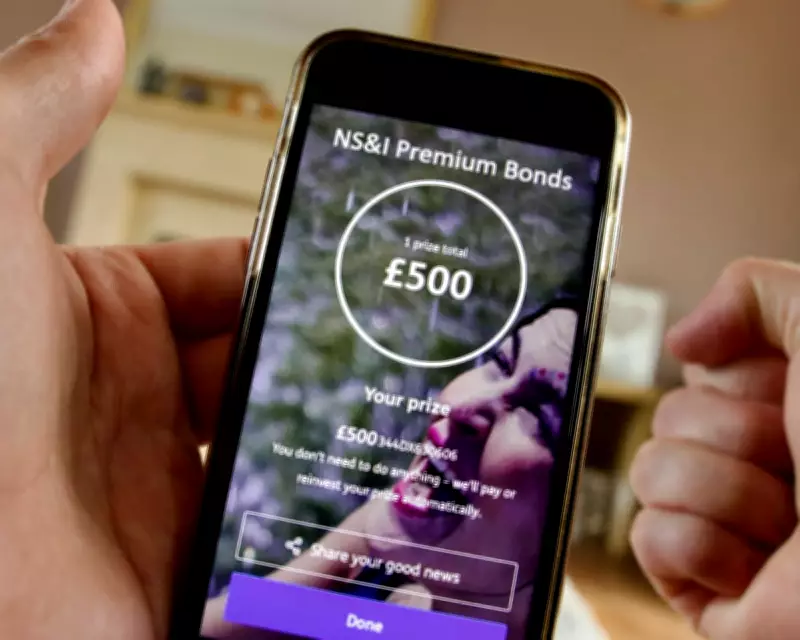
Premium Bonds Odds Set to Worsen from April as NS&I Cuts Prize Fund
In a move that will disappoint millions of savers, National Savings and Investments (NS&I) has announced a reduction in the premium bonds prize fund, leading to longer odds of winning. Starting with the April draw, the proportion of the total invested amount paid out in prizes will decrease from 3.6% to 3.3% annually.
Impact on Winning Probabilities
As a direct result of this change, the odds of winning with each £1 bond number will lengthen significantly. Previously standing at 22,000-1, they will now shift to 23,000-1, making it harder for the 22 million premium bond holders in Britain to secure a prize. Premium bonds offer a monthly tax-free prize draw with awards ranging from £25 to £1 million, but there is no guarantee of any win.
The April draw is expected to feature close to six million tax-free prizes totaling approximately £375 million. However, NS&I has adjusted the prize structure by trimming the number of higher-value awards and increasing the quantity of £25 prizes. For instance, the count of £100,000 prizes will drop from 78 this month to an estimated 71 in April, while £25,000 payouts will be reduced from 311 to 284. Conversely, the number of £25 prizes is set to rise from about 2.6 million to just over 2.8 million.

Expert Insights and Considerations
Alastair Douglas from the consumer credit website TotallyMoney highlights that one key advantage of premium bonds is their tax-free status, which particularly benefits higher-rate taxpayers. "For example, if you held the maximum amount of £50,000 and won the equivalent of 3.3%, that's £1,650 tax-free. A higher-rate taxpayer earning the same in savings could face a bill of £743," he explains.
Despite this benefit, premium bonds come with notable downsides. They do not pay any interest, making them more vulnerable to inflation compared to other savings options. Douglas advises those seeking a guaranteed return to explore alternatives, such as bank or building society savings accounts. "Some are offering more than 4% with easy access," he adds, suggesting that savers consult resources like the Moneyfacts savings best-buy tables for up-to-date information.
This adjustment by NS&I reflects broader trends in the savings market, where institutions are recalibrating offerings in response to economic conditions. Savers are encouraged to review their strategies and consider diversifying their portfolios to mitigate risks associated with changing odds and inflation.