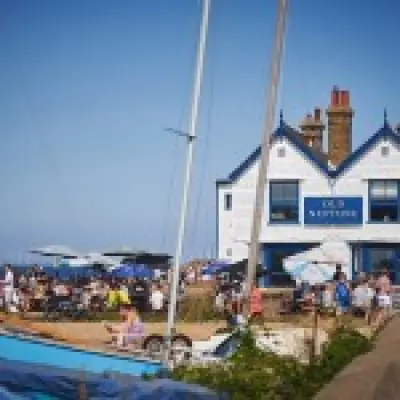
Chancellor Unveils £300m Lifeline for Pubs Amid Business Rates Crisis
Chancellor Rachel Reeves is poised to announce a substantial £300 million support package specifically targeted at Britain's struggling pub sector, as the government attempts to mitigate the impact of soaring business rates. This intervention follows intense political pressure and represents a significant policy reversal on tax measures introduced in the recent Budget.
Targeted Support Sparks Hospitality Industry Division
The Treasury is expected to confirm the details later today, revealing that thousands of pubs will receive temporary financial assistance to help navigate the challenging economic landscape. Reports indicate this support could amount to approximately £100 million annually until 2029, when a comprehensive review of property valuations and business rates is scheduled to take place.
However, this targeted approach has already ignited controversy within the wider hospitality sector, as hotels, restaurants, and cafes are conspicuously excluded from the support package. Industry leaders warn this creates an uneven playing field and fails to address systemic challenges affecting all hospitality businesses.

Political Pressure and Industry Backlash
The Chancellor's announcement comes after weeks of mounting pressure from both political opponents and industry stakeholders. The issue gained particular prominence when left-wing Labour MP Rachel Maskell directly challenged Prime Minister Keir Starmer during Prime Minister's Questions about potential revisions to the government's proposals.
Industry groups have presented alarming data about the potential consequences of unchanged business rates. UKHospitality and the British Beer and Pub Association estimate that without intervention, business rates bills could increase by an average of 15 percent, with some pubs facing near-doubling of their bills by 2029.
The political pressure intensified through grassroots campaigns like Wonky Table, which saw hundreds of landlords banning Labour MPs from their establishments ahead of crucial local elections in May.
Wider Hospitality Sector Expresses Concerns
Allen Simpson, Chief Executive of UKHospitality, articulated the sector's frustration last week, stating: "Our hotels, restaurants and cafes all face their business rates bills increasing by thousands, driven by the same large increases to rateable values affecting pubs. These businesses employ six in seven people in hospitality. While it's positive there will be an announcement soon, this is a hospitality-wide problem that requires a hospitality-wide solution."
The challenges extend beyond traditional hospitality venues. Some airports, including Manchester, Luton, and Gatwick, have warned they might scale back investment plans due to the increased tax burden on commercial properties.
Broader Economic Context and Additional Measures
Alongside the financial support, the Labour government plans to ease licensing restrictions in anticipation of the upcoming World Cup, potentially allowing some matches to be broadcast as late as midnight in participating venues.
The new business rates scheme introduced in the Budget creates a tiered system where properties valued under £500,000 will benefit from lower rates, while larger properties face a higher multiplier. Despite this structure, the average increase to business rates is projected to exceed £32,700 by the end of the decade.
Recent industry data underscores the sector's fragility. Consumer intelligence firm NIQ reported 382 fewer licensed premises at the end of December compared to three months earlier, equivalent to four closures per day. In a stark example of the challenges facing hospitality businesses, Revel Collective, which operates over sixty venues including the Revolution Bars group and Peach pub chain, has indicated it expects to appoint administrators within ten days.
As Chancellor Reeves prepares to face questioning from opposition MPs in the House of Commons, the government's selective approach to business rates relief continues to generate debate about equitable support for Britain's vital hospitality industry during a period of significant economic transition.