Betfred Brothers Top UK Taxpayer List as Government Policies Increase Contributions
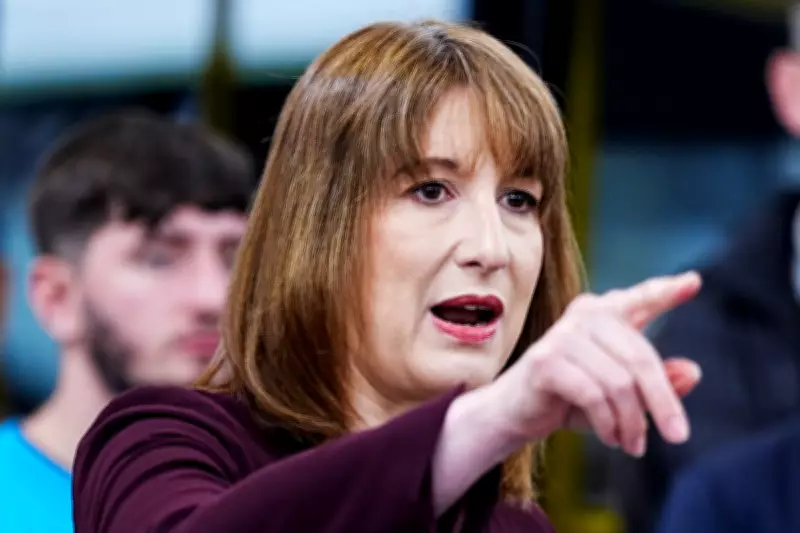
New analysis has revealed the United Kingdom's highest individual taxpayers, with betting entrepreneurs, financial traders, and retail magnates contributing billions to HM Revenue and Customs. The findings come as Chancellor Rachel Reeves' policies have led to wealthier individuals paying increased sums into government coffers.
Leading Contributors to the Public Purse
According to The Sunday Times' annual tax list, Betfred founders Fred and Peter Done paid the most substantial amount over the past financial year. The brothers and their families contributed over £400 million in tax, a figure equivalent to the intended revenue from the council rate surcharge on residential properties valued above £2 million.
Following closely behind were financial traders Alex Gerko and Chris Rokos, who ranked second and third respectively. Each paid approximately £330 million in tax. Gerko, who relocated to the UK from Russia in 2006 and is estimated to be worth more than £5 billion, emerged as London's highest taxpayer.

Prominent Business Figures Among Top Payers
The list featured several other notable business leaders making significant contributions:
- Denise Coates, founder of Bet365, with her family's taxes totalling around £227.1 million
- Tim Martin, contributing £199 million
- Mike Ashley of Fraser Group, paying £175.9 million (though this represented a decrease from previous years)
- Peter Hargreaves of Hargreaves Lansdown
- Specsavers founders Dame Mary and Douglas Perkins
Overall Contribution and Changing Landscape
The analysis demonstrated that the top 100 individuals and families collectively paid nearly £5.6 billion in tax. This substantial sum falls just £300 million short of HMRC's own budget for the financial year ending 2025.
However, the newspaper noted that several figures previously included in the rankings no longer appear due to an exodus of wealthy individuals to destinations including Monaco, Portugal, and Dubai. This migration reflects changing patterns among high-net-worth individuals seeking more favourable tax environments.
Policy Impact on Taxation Levels
The data suggests that most taxpayers on the list paid more than in the previous recording period, with 45 contributors increasing their payments while 30 gave less. This pattern may reflect the heavier tax burden on wealthy individuals resulting from Chancellor Rachel Reeves' policies implemented since Labour took office.
Key measures targeting higher earners include:
- Increased capital gains taxes
- Abolition of non-domiciled tax status
- Taxes on private schools and second homes
Additional measures yet to take full effect include a revised farm inheritance tax, originally designed to combat tax avoidance but modified following nationwide farmer protests, and a new tax charge on dividends.
Political Context and Future Considerations
Some Labour backbenchers have urged the government to implement further taxes on the wealthiest individuals, potentially through a new wealth tax on assets. However, warnings have emerged that continued increases in taxation for high earners could lead to reduced overall tax intake if more investors and wealthy individuals choose to relocate to countries with less demanding tax regimes.
The tension between maximising revenue from those with the greatest capacity to pay and maintaining the UK's attractiveness to wealth creators represents a significant challenge for economic policymakers as they balance fiscal requirements with competitive considerations.