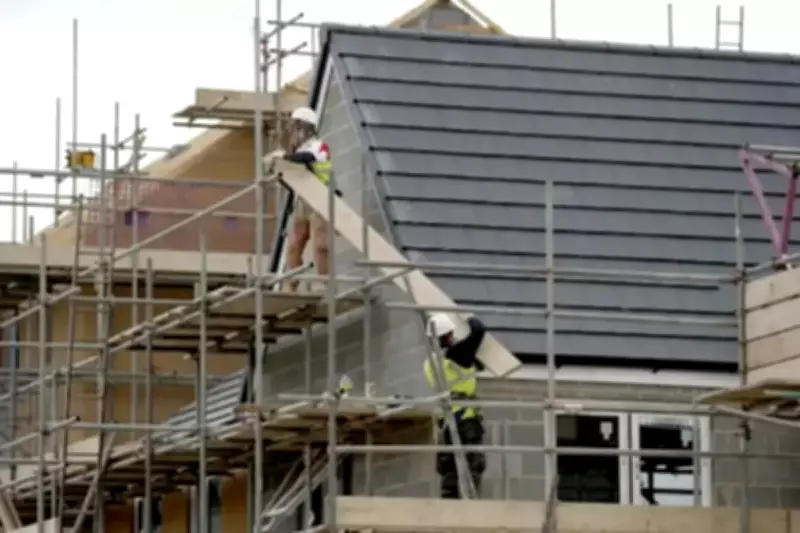
Construction Recovery Remains Fragile Amid High Costs and Wage Pressures
The construction sector is showing signs of recovery, but its growth remains fragile as developers grapple with high wages, persistent planning delays, and severe labor shortages. According to an exclusive report by construction firm McBains shared with City AM, the industry is forecast to grow over the next year, primarily fueled by major infrastructure projects. However, confidence in the housebuilding and commercial construction sectors remains significantly shaken.
Industry Growth Driven by Infrastructure
After a year-long period of declining output that placed pressure on the Labour government's "build, baby, build" agenda, construction is projected to see growth of 4.5 percent in 2026, up from 3.5 percent last year. This anticipated growth will be largely driven by infrastructure projects in defense, transport, and energy sectors. In contrast, housebuilding and commercial construction are expected to continue struggling due to high financing costs, planning delays, labor shortages, and ongoing cost pressures.
Tender price inflation, which measures the increase in construction costs between the initial quote and the tender submission, is forecast to rise from 2.75 percent this year to four percent by 2029, adding further financial strain to projects.

Minimum Wage Hikes Impact Hiring
Colin McCaffrey, director at McBains, emphasized that the construction industry has been suffering through a prolonged period of instability and is still recovering from consistently difficult market conditions. "Although the industry is forecasting growth over the coming months, recovery will be uneven, with sectors like housebuilding and commercial projects struggling for momentum," McCaffrey stated.
Clive Docwra, managing director of McBains, highlighted rising labor costs as a particular concern. Minimum pay for 21 to 22-year-olds has increased by 33 percent over the past three years, while the rate for 18 to 20-year-olds has surged by 46 percent. Docwra warned that these wage rises could deter employers from hiring apprentices at a time when the construction workforce is at a record low.
While Labour's pledge to offer fully-funded training for under-25s in small and medium businesses is welcome, Docwra noted it does not fully address the rising employment costs, which will add pressures to an already sluggish housing market.
Calls for Government Support and Youth Recruitment
A leading construction body is urging the government to launch a campaign to attract young unemployed people toward jobs in the sector. With the number of young people not in education, employment, or training nearing one million, there are calls for Chancellor Rachel Reeves to do more to support Britain's youth into work.
According to a report by the Chartered Institute of Building (CIOB), more than two-thirds (66 percent) of young people hold a positive view of construction, but less than a third (30 percent) would consider pursuing work in the sector. David Barnes, head of policy and public affairs at CIOB, stated that the construction sector is "crying out" for more young workers.
Labour has pledged to build 1.5 million homes by the next general election, but recent estimates from the Office for Budget Responsibility suggest this target is in peril. The Ministry of Housing, Communities and Local Government was contacted for comment on these challenges.