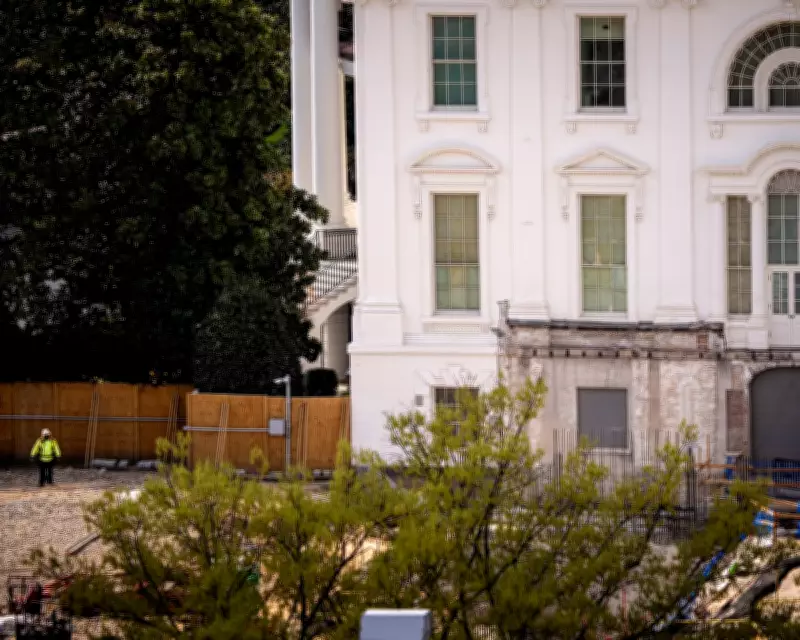
Construction work has been ordered to stop on Donald Trump's proposed ballroom at the site of the former East Wing of the White House in Washington DC, as captured in a photograph from April 1, 2026. The image shows a construction worker on the paused site, highlighting the immediate impact of recent legal developments.
Planning Commission Vote Scheduled
The National Capital Planning Commission is scheduled to deliberate and vote on the "East Wing Modernization Project" this Thursday. This federal body, which plays a crucial role in overseeing significant building projects in the Washington DC area, is chaired by Will Scharf, a former personal lawyer to Donald Trump. The meeting agenda confirms this upcoming vote, which comes just two days after a federal judge issued a ruling that construction cannot proceed without approval from Congress.
Legal Challenges and Presidential Vision
The justice department has appealed Tuesday's ruling, which granted a preliminary injunction requested by the National Trust for Historic Preservation. This non-profit organization filed a lawsuit alleging that Trump exceeded his authority when he demolished the historic East Wing and initiated construction on the new ballroom. The federal judge agreed that the president cannot construct his planned ballroom on this site without Congressional approval.

Donald Trump describes the $400 million, 90,000 square foot ballroom as a privately financed defining addition to the White House and a lasting symbol of his presidency. He emphasizes that this project represents a significant enhancement to the presidential residence, funded entirely through private means rather than taxpayer dollars.
Broader Reshaping of Washington's Core
The ballroom project is part of Trump's broader initiative to reshape Washington's monumental core. This comprehensive vision includes plans for a 250-foot arch and a multiyear renovation of the Kennedy Center performing arts complex. Additionally, Trump has already implemented changes to the White House grounds, including replacing the Rose Garden and adding extensive gilding to the Oval Office.
The National Capital Planning Commission operates alongside the US Commission of Fine Arts as one of two federal bodies assigned to oversee key building projects in the DC area. Trump has appointed several members to both groups, ensuring his influence extends to these regulatory committees. The commission's upcoming vote will determine whether the ballroom project receives the necessary blessing to move forward, despite the ongoing legal challenges.
This development highlights the complex intersection of presidential ambition, historical preservation, and regulatory oversight in the nation's capital. The outcome of Thursday's vote could significantly impact the future of White House renovations and set important precedents for executive authority in construction projects involving federal properties.