Glasgow's Vape Shop Inferno: A City's Heritage and Safety at Stake
On a Sunday afternoon when many Glaswegians were engrossed in the dramatic Old Firm Scottish Cup quarter-final, a seemingly minor incident on Union Street would escalate into a catastrophic event. What began as reports of a contained shop fire would soon erupt into a blaze that threatened one of Glasgow's most cherished Victorian landmarks.
The Rapid Escalation of a Preventable Tragedy
Initial reports suggested the fire at the Union Corner building was under control, but within two hours, the situation transformed into a nightmare scenario. The B-listed 'Union Corner,' a fixture of Glasgow's cityscape since 1851, became engulfed in flames that would ultimately destroy dozens of businesses and irreplaceable heritage.
Video footage revealed the fire originated in a pop-up vape shop filled with lithium-ion batteries – devices that fire safety experts have repeatedly warned can become explosive hazards within seconds. The presence of these batteries created a chain reaction of explosions that overwhelmed initial containment efforts.

A brave passer-by, Lamin Kongira, attempted to intervene with a fire extinguisher but was forced back by successive battery explosions. "It was my duty as a citizen in Glasgow to help my city," he later stated, highlighting the community spirit that would become crucial in the aftermath.
Systemic Failures and Regulatory Gaps
The shop at the center of the blaze, operated by Junaid Retail Limited and trading as Scot's World, had occupied the unit since August 2024 after the building stood empty for a decade. Investigation revealed multiple red flags: the company wasn't registered on the Scottish Government's official list of retailers permitted to sell tobacco or nicotine products, and it appears to have failed to pay business rates.
This incident exposes critical gaps in current regulations. There are no mandatory licensing requirements for vape shops with specific fire-safety conditions, nor is there a specialized change of use classification in planning law for businesses handling hazardous materials like lithium-ion batteries.
The Human and Heritage Cost
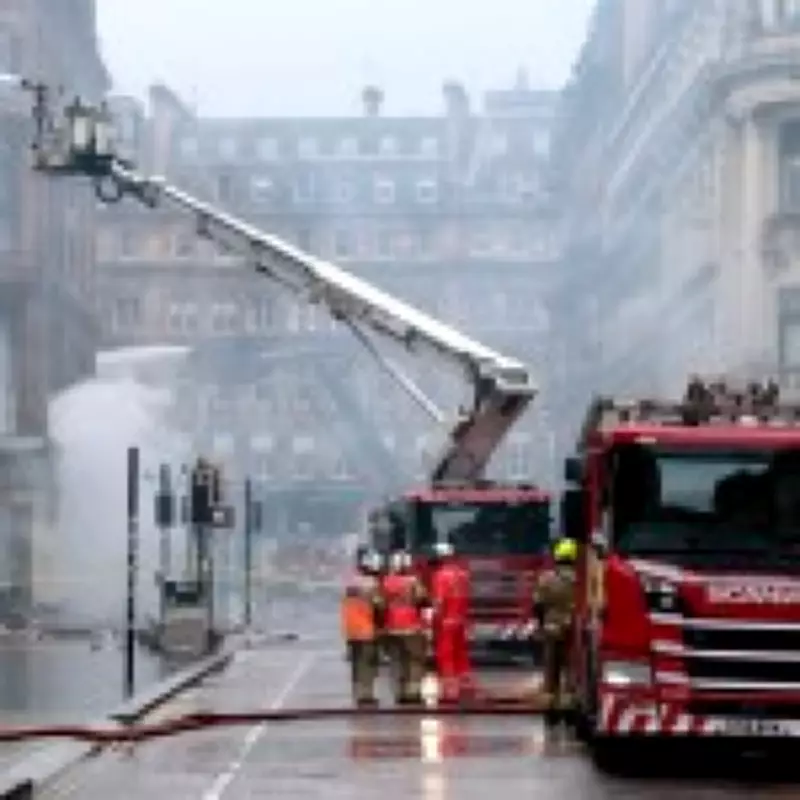
Eighteen fire engines battled the blaze into the night, but the damage was devastating. Dozens of small businesses were destroyed, including Dan Campbell's hair salon that took five years to build, tattoo artist Scott McNally's studio containing £30,000 of equipment and irreplaceable designs, the famous Blue Lagoon chip shop, Sexy Coffee, and a Shelter charity shop.
The fire spread to the Gordon Street corner with its iconic lead dome, threatening Glasgow Central station – Scotland's busiest railway hub. While the station was miraculously spared, the incident raises serious questions about fire service capacity after years of cuts that have eliminated 1,250 firefighters and left Scotland with only 16 high-reach appliances.
Urgent Calls for Regulatory Overhaul
This tragedy must serve as a watershed moment for fire safety regulation. The current system allows unregistered, unregulated retailers to store hundreds of lithium batteries without proper oversight, creating unacceptable risks in densely populated urban areas.
Essential reforms must include mandatory licensing for all vape shops with strict fire-safety conditions, proper battery storage requirements, linked fire alarms between floors in multi-occupancy buildings, and regular unannounced inspections by fire officers.
Trading standards and licensing teams require proper resourcing to prevent pop-up operators from cutting corners on safety. The Scottish Government and Glasgow City Council must act decisively before another powder keg situation develops with potentially life-threatening consequences.
A Community's Resilience and the Path Forward
In true Glasgow fashion, the community has rallied, raising over £150,000 through crowdfunding efforts to support affected businesses. However, no amount of financial support can replace the years of dedication and personal investment destroyed in a single evening.

The takeaway from this preventable tragedy is unequivocal: public safety cannot depend on luck or individual bravery. Comprehensive enforcement from both trading standards and fire-safety perspectives, coupled with tightened planning and licensing rules, is essential to protect both livelihoods and heritage.
Glasgow owes it to every trader who lost their business and every citizen mourning this architectural loss to ensure such a fire never happens again. The time for proactive measures is now, before another iconic landmark becomes collateral damage in a regulatory failure.