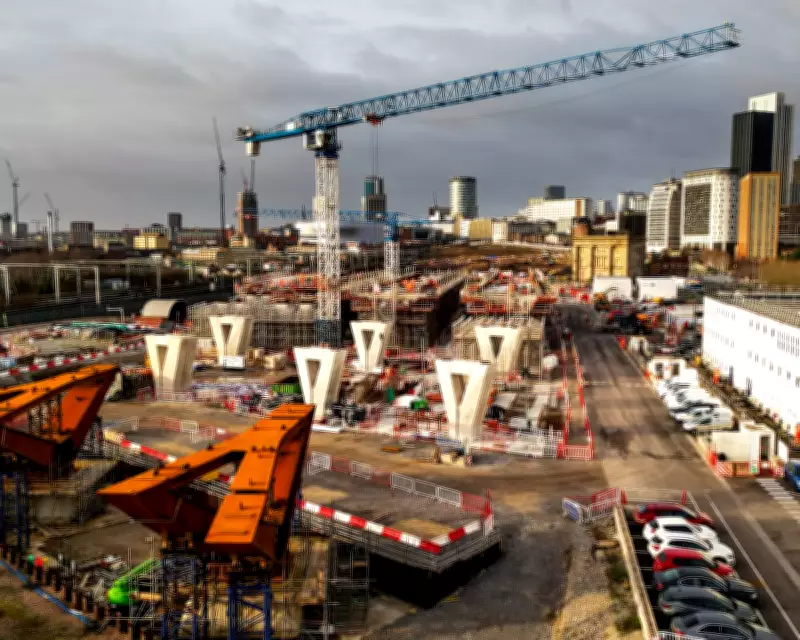
HS2 Contractor Issues Warning Over Steel Tariffs Impacting UK Construction
One of the primary contractors for the HS2 high-speed rail project has issued a stark warning to the government, stating that newly implemented tariffs on imported steel will "exacerbate" significant cost pressures facing the UK construction industry. This alert comes amid escalating concerns over the soaring budget of the £100 billion railway initiative, which is already grappling with financial overruns and delays.
Government Tariffs and Industry Backlash
Last week, ministers announced a decision to double tariffs on foreign steel imports and substantially reduce the allowable quantity of overseas purchases. This policy shift aims to bolster Britain's struggling domestic steelmakers, which employ approximately 10,000 people and have endured decades of job losses. However, industry leaders argue that the timing is particularly problematic.
Mark Reynolds, chair of the construction firm Mace, which is responsible for building HS2 stations at London Euston and Birmingham Curzon Street, criticized the tariffs as "ill-timed and unhelpful." He emphasized that they would only worsen the challenges confronting a construction sector already depressed by rising energy costs linked to the Iran war, which has driven up prices for steel and concrete.

HS2 Budget and Operational Adjustments
The HS2 project, originally slated to open by 2033, is now expected to cost around £100 billion when accounting for inflation, with contractors indicating that this deadline is unattainable. In response, Transport Secretary Heidi Alexander is set to update Parliament on Labour's efforts to "reset" the project's costs. She has directed HS2 chief executive Mark Wild to explore cost-saving measures, including potentially reducing train speeds.
A government source revealed that Alexander is "weighing up all options to claw back as much time and money for the taxpayer as possible," with the goal of opening the railway as soon as feasible at the lowest cost. This comes as contractors have already procured much of the steel needed for tunnels, viaducts, bridges, and underground work, but are now advised to purchase in advance for other elements like stations to hedge against future price hikes.
Broader Industry Implications
From July, import quotas for many steel products will be cut by 60%, with duties outside those quotas rising to 50%. These measures align the UK with recent actions by the US, EU, and Canada to counter cheap imports from China, the world's largest steel producer. Milda Manomaityte, chief executive of the Association for Consultancy and Engineering, cautioned that tariffs would deliver a "cost shock" to infrastructure projects, acutely affecting bridges, railways, and new tram lines.
Paul Gandy, former head of Tilbury Douglas and current president of the Chartered Institute of Building, described the tariffs as "really unhelpful to the construction market and to the economy at the moment." He noted that much of this steel is destined for public sector projects, many of which are already facing budgetary constraints.
Defense and Future Outlook
Proponents of the tariffs, including sources close to primary steelmakers like Tata and British Steel, defend the policy as necessary to compete against global cheap imports and prevent industry collapse. A spokesperson for HS2 Ltd highlighted that over half of the steel used in the railway in 2023-24 was sourced from the UK, increasing to two-thirds in 2024-25, with most structural steel already procured for major civil structures.
A government spokesperson asserted that the tariffs would reduce reliance on overseas steel, but committed to reviewing the policy after a year to ensure it remains effective. As the construction industry attempts to recover from its worst performance since the financial crisis, exacerbated by energy price surges, the debate over steel tariffs underscores the delicate balance between protecting domestic industries and managing infrastructure costs.