

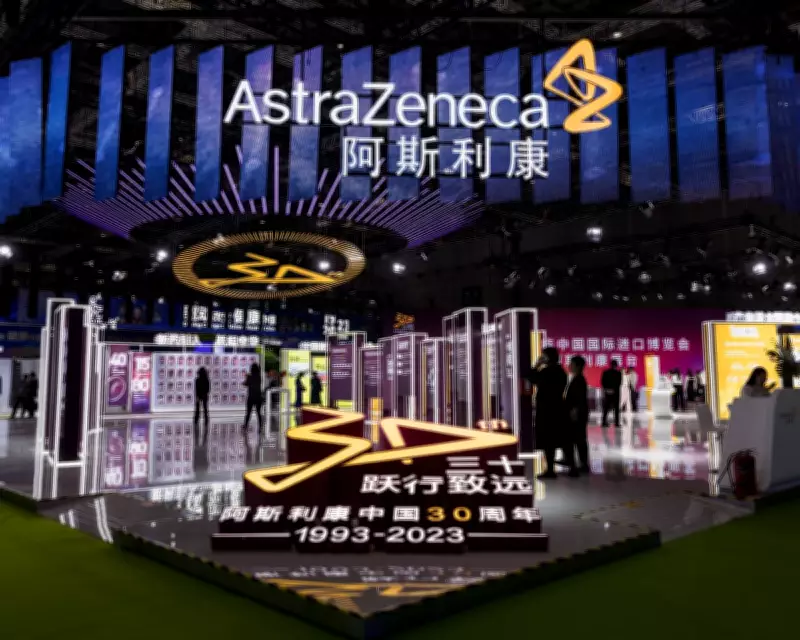
In a significant strategic shift, AstraZeneca, the UK's premier pharmaceutical company, has unveiled plans to inject a substantial $15 billion, equivalent to approximately £11 billion, into its Chinese operations by the year 2030. This major financial commitment was disclosed during Prime Minister Keir Starmer's landmark visit to China, marking the first such trip by a British leader in eight years.
Investment Details and Strategic Focus
The Cambridge-based drugmaker intends to allocate these funds towards expanding its medicines manufacturing capabilities and bolstering research and development activities within China. This move builds upon the company's already established presence in the region, which includes a significant workforce and multiple operational sites.
A key component of this investment is the construction of a new $2.5 billion research hub in Beijing, a project that was initially announced in March of the previous year. This facility will join AstraZeneca's existing global network of research centres, which includes locations in Cambridge, Sweden, the United States, and two in China—Beijing and Shanghai.

Political Context and UK Relations
This announcement comes against a backdrop of strained relations between AstraZeneca and the British government. The entire pharmaceutical sector has been engaged in disputes with ministers over issues such as drug pricing, culminating in a negotiated agreement reached in December.
As a result of these tensions, AstraZeneca had previously paused a planned £200 million expansion of its research site in Cambridge in September. Earlier in the year, the company also abandoned a £450 million investment at its vaccine manufacturing facility in Speke, near Liverpool.
Prime Minister's Perspective
During his visit, Prime Minister Starmer expressed support for the investment, suggesting that it would enable AstraZeneca to grow into a larger global enterprise, thereby supporting thousands of jobs within the United Kingdom. He emphasised the importance of such partnerships in advancing research and development, which he described as vital for maintaining the UK's world-class life sciences sector.
Scientific and Operational Expansion
The funding will be directed towards pioneering treatments, including advanced therapies such as cell therapy and radioconjugates—a sophisticated form of radiotherapy that specifically targets cancer cells while minimising damage to healthy tissue.
In China, AstraZeneca's research hubs collaborate with over 500 clinical hospitals and have been instrumental in leading numerous global clinical trials over the past three years. The company plans to expand its existing manufacturing facilities in Wuxi, Taizhou, Qingdao, and Beijing, which currently produce medicines for both the Chinese market and more than 70 other countries worldwide.
Workforce Growth and Acquisitions
These investments are expected to increase AstraZeneca's workforce in China from approximately 17,000 employees to more than 20,000. The company has also been active in strategic acquisitions, including the $1.2 billion purchase of Chinese cancer specialist Gracell Biotechnologies in 2024, and a partnership with Shanghai-based Eccogene to develop an anti-obesity and type 2 diabetes pill in late 2023.
Regulatory Challenges in China
Despite this substantial investment, AstraZeneca faces ongoing regulatory scrutiny in China. Authorities are investigating allegations concerning unpaid import taxes on certain cancer drugs, potential breaches of data privacy laws, and medical insurance fraud. In 2024, several company staff members were detained, including Leon Wang, the president of AstraZeneca's Chinese subsidiary.
This complex landscape highlights the balancing act that global pharmaceutical companies must navigate as they seek to expand in key markets while managing regulatory and political challenges across different jurisdictions.






