

BlueCrest's Supreme Court Showdown Over £200m Tax Dispute
BlueCrest Capital Management, the hedge fund founded by Britain's wealthiest financier Michael Platt, is set for a high-stakes confrontation with HM Revenue and Customs at the Supreme Court this week. The landmark case, which centres on the controversial 'salaried members' rules for limited liability partnerships, could determine whether the firm faces a tax bill approaching £200 million.
The Core of the Controversy
At the heart of this protracted legal battle lies a fundamental question about employment status within financial partnerships. HMRC has issued determinations covering tax years from 2014/15 to 2018/19, arguing that nearly all BlueCrest members – with the exception of a few executive committee members – should be classified as 'salaried members' rather than genuinely self-employed partners.
This distinction carries significant financial consequences, as it would require BlueCrest to pay income tax and national insurance contributions on behalf of these members. The hedge fund giant, which reported a remarkable 149 per cent revenue surge to £130.8 million for the year ending March 2025, is fighting to overturn HMRC's assessment.

A Legal Journey Through Multiple Courts
This case has followed a complex path through Britain's judicial system over several years:
- First-Tier Tribunal (March 2021): Judge Andrew Popplewell delivered a split decision, ruling against BlueCrest on discretionary bonuses being 'disguised salary' but partially supporting the firm's position that portfolio managers had 'significant influence'.
- Upper Tribunal (June 2023): This court largely upheld the FTT's original decision, maintaining the mixed outcome that satisfied neither party completely.
- Court of Appeal (November 2024): Judges delivered a significant blow to BlueCrest, setting aside previous partial victories and ordering the case returned to the FTT for rehearing under stricter legal tests.
The Supreme Court hearing represents the final legal frontier for BlueCrest, with permission granted despite HMRC's objections. The case has attracted attention from major industry bodies, with both the Alternative Investment Management Association and Managed Funds Association granted permission to intervene.
Michael Platt's Personal Stake
Michael Platt, who resided in the United Arab Emirates throughout the tax years in dispute, remains at the helm of the hedge fund he founded. According to the 2023 Sunday Times Rich List, Platt's personal net worth stands at an estimated £11.5 billion, making him the UK's wealthiest financier and adding considerable prominence to this high-profile tax case.
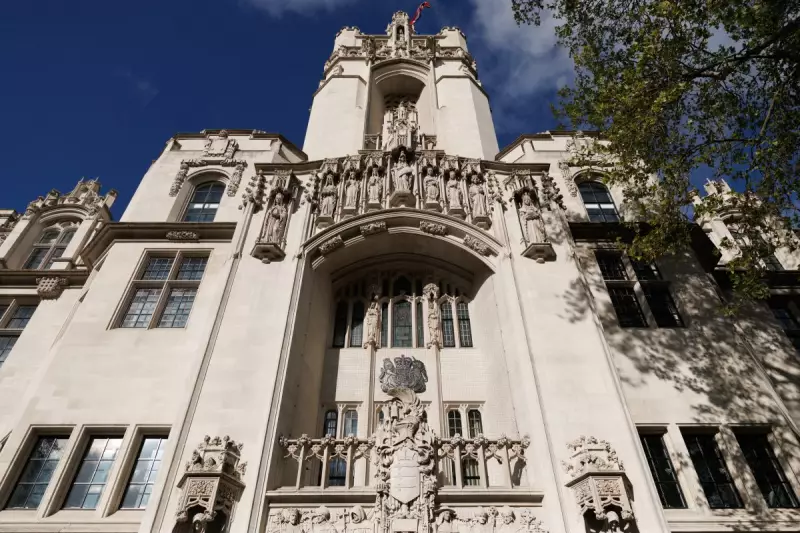
The Supreme Court justices will specifically address whether certain BlueCrest LLP members should be treated as employees for tax purposes during a two-day hearing beginning Wednesday. Their decision could establish important precedents for how financial partnerships structure their compensation and employment arrangements across the City of London and beyond.
This case represents one of the most significant tax disputes involving Britain's hedge fund industry in recent years, with implications that could ripple through the financial services sector regardless of the final outcome.






