

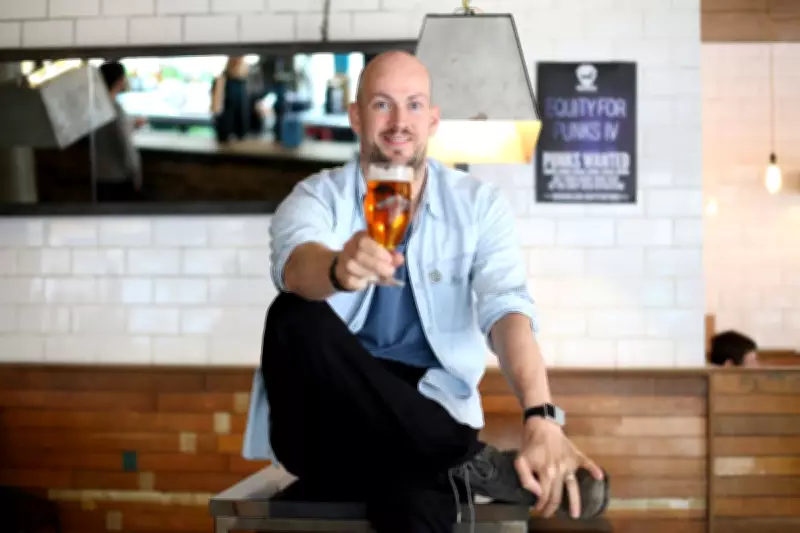
Brewdog Founder 'Heartbroken' as Craft Beer Giant Sold, 500 Jobs Lost
Brewdog co-founder James Watt has publicly declared his devastation following the sale of the pioneering craft beer company, which resulted in nearly 500 redundancies and left thousands of everyday investors with significant financial losses. The emotional statement came after the firm was acquired by American cannabis and pharmaceutical group Tilray for a mere £33 million, a stark contrast to its previous valuation of up to £2 billion.
Watt's Emotional Response to the Sale
In a heartfelt LinkedIn post, Watt described the past week as "incredibly hard" and expressed profound sorrow for the employees who lost their positions and the investors who received no return on their contributions. "I am heartbroken for all of the hard-working and passionate team members who have lost their jobs," Watt wrote. "I am heartbroken for all of our brilliant equity punks who did not get the return on their investment they wanted."
Watt, who founded Brewdog with school friend Martin Dickie in 2007, acknowledged that the company expanded too rapidly at times and that he failed to implement sufficient spending controls to ensure long-term sustainability. He directly apologized to departing staff members, stating, "To our team members leaving this week: thank you. You helped build something that mattered. I am sorry we could not protect you."

Details of the Tilray Acquisition
The sale to Tilray included the Brewdog brand, its primary brewery, and a selection of its British bars. However, advisors from AlixPartners were unable to secure buyers for 38 additional locations, leading to their immediate closure and the loss of 484 jobs. This development sparked criticism on social media, with one LinkedIn user condemning the job losses as a "total disgrace."
Impact on 'Equity for Punks' Investors
Watt also extended his apologies to approximately 220,000 investors who participated in Brewdog's "Equity for Punks" crowdfunding scheme. This initiative offered shares in exchange for perks like discounted beer, but investors will receive no financial return from the company's sale. "To our equity punks: thank you for having the conviction to believe in the business when this was just two humans, one dog and a crazy idea," Watt remarked.
Financial experts have highlighted Brewdog's situation as a cautionary tale regarding the risks associated with crowdfunding investments. Susannah Streeter, chief investment strategist at the Wealth Club, emphasized, "The sad saga of BrewDog highlights how investors in start-ups and scale-ups need to do their homework and opt for schemes offering them protection if the investment turns sour."
Background and Future Prospects
Brewdog played a pivotal role in popularizing craft beer across the nation, but the company faced controversies in recent years, including allegations of a toxic workplace culture—claims vehemently denied by the founders. Both Watt and Dickie stepped away from the business prior to the sale.
Reports indicate that Watt had been preparing a comeback bid for Brewdog with £10 million of his own funds, which allegedly included commitments to protect at least 65 percent of employees. However, this bid was reportedly supported by a family office connected to Modella Capital, a controversial equity firm known for placing several retailers into administration, and it ultimately did not materialize.
The sale marks a somber conclusion to a two-decade journey for Watt, who reflected, "And heartbroken to have dedicated the best 20 years of my life to something that ultimately did not have the ending we all wished for."






