

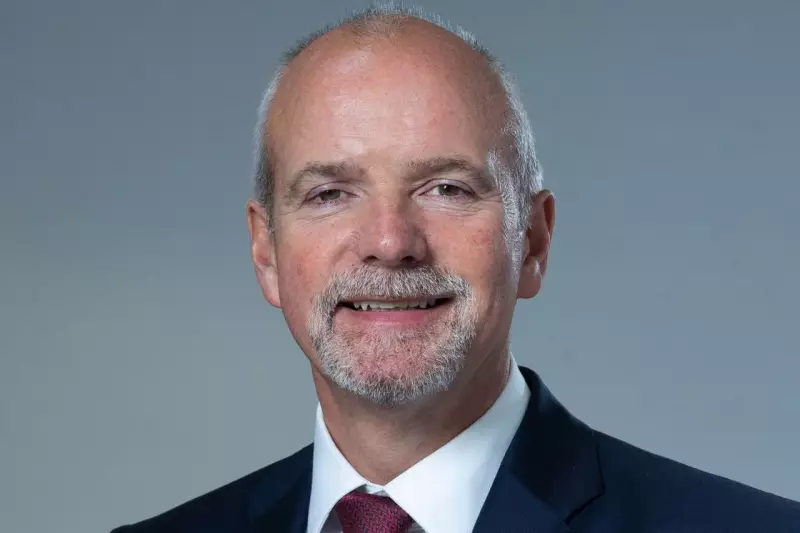
Chris Cummings' Final Push: Tackling the UK's 'Safetyism' Culture
In a significant move as he prepares to step down, Chris Cummings, the chief executive of the Investment Association, has identified a critical challenge for the UK's economic future: the pervasive culture of 'safetyism'. This term, which Cummings has brought to the forefront of financial discourse, refers to an excessive focus on risk avoidance and regulatory caution that he argues is stifling innovation and growth in the British economy.
The Core of the Issue
Cummings, who has led the Investment Association since 2017, believes that this culture has deep roots in the UK's financial and regulatory systems. He points to a tendency among policymakers and businesses to prioritise safety and stability over bold, forward-thinking initiatives. This mindset, according to Cummings, is not only limiting the potential for economic expansion but also undermining the UK's competitiveness on the global stage.
In his view, the overemphasis on risk mitigation has led to a climate where opportunities are missed, and entrepreneurial spirit is dampened. He argues that while prudent regulation is essential, an imbalance towards excessive caution can have detrimental effects, particularly in sectors like finance and technology where agility and innovation are key drivers of success.

Implications for the UK Economy
The outgoing IA boss has highlighted several areas where 'safetyism' is most evident. These include:
- Regulatory frameworks that may be overly restrictive, slowing down the adoption of new financial technologies and products.
- Corporate decision-making processes that favour risk-averse strategies, potentially hindering investment in high-growth ventures.
- Public policy initiatives that prioritise short-term stability over long-term economic dynamism.
Cummings' critique comes at a pivotal time, as the UK navigates post-Brexit economic challenges and seeks to reinforce its position as a leading financial hub. He suggests that addressing this cultural issue could unlock significant growth potential, making the economy more resilient and adaptive in the face of global uncertainties.
A Legacy-Focused Mission
As Cummings approaches the end of his tenure at the Investment Association, this focus on 'safetyism' represents a capstone to his efforts to advocate for a more progressive and competitive financial landscape. Throughout his leadership, he has been a vocal proponent of reforms aimed at enhancing the UK's investment environment, and this final mission underscores his commitment to leaving a lasting impact.
By framing the debate around 'safetyism', Cummings aims to spark a broader conversation about how the UK can balance necessary safeguards with the need for innovation and growth. His call to action is not just about regulatory tweaks but about a fundamental shift in mindset among stakeholders across the economy.
In summary, Chris Cummings' departure from the Investment Association is marked by a bold challenge to the UK's entrenched culture of 'safetyism'. As he steps down, his legacy will be closely tied to whether this initiative gains traction and leads to meaningful changes in how the country approaches risk, regulation, and economic ambition.






