

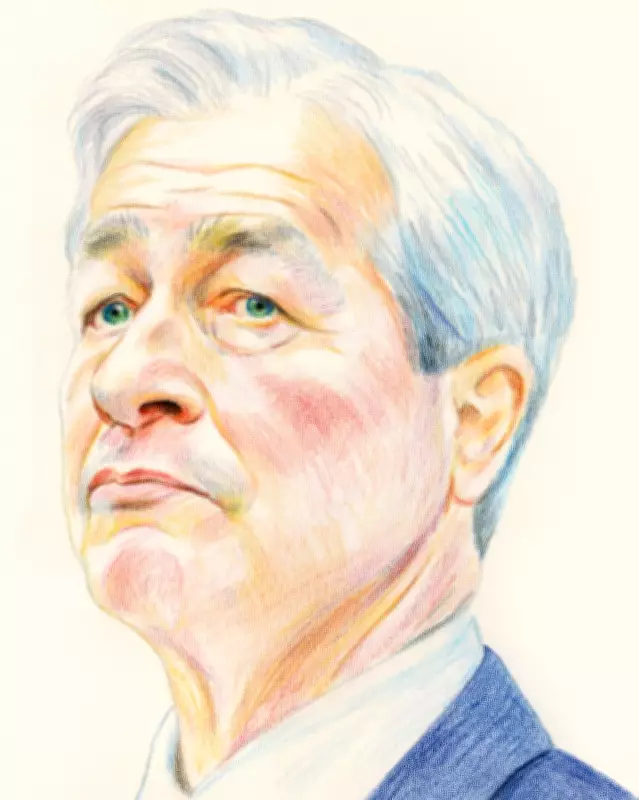
Jamie Dimon's Final Act: Epstein Files and Trump Lawsuit Threaten Legacy
Jamie Dimon, the longtime chief executive of JP Morgan Chase, America's largest bank, finds his storied career entering a turbulent final chapter. Under oath in a May 2023 deposition, Dimon claimed he first learned about Jeffrey Epstein being a client "when the stories broke sometime in 2019." This testimony, part of the US justice department's extensive Epstein files, raises significant questions about the bank's 15-year relationship with the convicted sex trafficker.
The Epstein Connection and Contradictory Evidence
Epstein maintained accounts with JP Morgan Chase from 1998 to 2013, including eight years under Dimon's leadership as CEO. The bank's private banking division treated Epstein as a prized ultra-wealthy client, despite his criminal background. A belatedly filed JP Morgan report to the treasury department flagged approximately 4,700 suspicious transactions totaling $1.1 billion linked to Epstein, including payments to women from post-Soviet countries and hundreds of millions wired to Russian banks.
Contradicting Dimon's sworn testimony, former JP Morgan executive Jes Staley claimed to have communicated with Dimon about Epstein years before the 2019 arrest. Current senior executive Mary Erdoes, considered a potential successor to Dimon, actively managed the Epstein account while aware of his court-confirmed status as a high-risk sex offender. Documents reveal a 2010 email from an Epstein aide discussing preparations for "evening appointments" involving Staley, Dimon, and British politician Lord Peter Mandelson.

Trump's Personal Vendetta and Legal Challenges
Former President Donald Trump has escalated pressure on Dimon, filing a $5 billion civil lawsuit in Florida state court in January. Trump alleges political discrimination after JP Morgan terminated his accounts following the January 6 Capitol riot. This legal action follows years of tension between the two powerful figures, including Dimon's 2018 declaration that he was "as tough as he is, I'm smarter than he is" and Dimon's wife campaigning for Kamala Harris in 2024.
The bank has dismissed Trump's lawsuit as having "no merit," but the case represents another challenge to Dimon's reputation. Despite attempts at maintaining pragmatic relations with Trump's administration, including White House meetings on interest rates, the personal nature of this conflict threatens to overshadow Dimon's legacy.
Wall Street's Moral Compass Under Scrutiny
Dimon earned his legendary status during the 2008-2009 financial crisis, working closely with Washington to prevent total banking collapse. Financial journalist Duff McDonald's biography "Last Man Standing" celebrated Dimon as "a moral and managerial compass for both his industry and the country itself." Yet the Epstein revelations challenge this narrative, with Democratic Senator Ron Wyden emphasizing: "There's got to be more accountability from the top on down."
Congressman Ro Khanna, while acknowledging Dimon's personal empathy and assistance with New York cab driver issues, declined to endorse Dimon's claim of Epstein ignorance, stating: "I will follow the evidence wherever it leads."
Corporate Culture and Succession Concerns
Dimon's management style has long been characterized by intense attention to detail. Longtime friend Hans Morris noted Dimon's tendency to "go several layers down" and "like to know the facts." This makes his claimed unawareness of Epstein's banking activities particularly remarkable. Banking analyst Mike Mayo observed that "no one is keeping tabs on Jamie Dimon" within the bank's board structure.
The succession challenge looms large as Dimon, now in his 21st year as CEO, approaches retirement. Nobel-winning economist Simon Johnson expressed skepticism about the bank's future: "I don't think it's the case that JPMorgan Chase is going to do well after Jamie Dimon."
Financial Performance and Political Navigation
Despite the controversies, Dimon's financial achievements remain substantial. JP Morgan Chase shares have increased 7.5 times since he became CEO in 2006, outperforming the S&P 500's 5.5 times growth. The bank recorded $57 billion in profits last year, with Dimon's compensation sparking debate between reported figures of $770 million and the bank's stated $39 million.

Dimon has demonstrated remarkable political adaptability throughout his career. After initially criticizing cryptocurrencies as tools for "sex traffickers, money launderers," JP Morgan now partners with Coinbase to facilitate crypto transactions. Similarly, while initially supporting diversity initiatives following George Floyd's murder, Dimon has recently distanced himself from bias training as political winds shifted.
Systemic Banking Issues and Future Implications
The Epstein scandal highlights broader concerns about banking oversight and "too big to fail" institutions. Former Federal Reserve official Thomas Hoenig emphasized that "too big to fail is a fact. It is present. It is real and it will be retained." This creates ongoing moral hazard concerns, particularly as JP Morgan expands in private credit markets and increases Treasury holdings.
As Dimon navigates these multiple challenges, his legacy as Wall Street's senior statesman hangs in the balance. The Epstein files have revealed uncomfortable truths about banking practices, while political conflicts and succession questions complicate his final years of leadership. Whether history remembers Dimon as a moral compass or a brilliant player of a flawed system will depend on how these intersecting crises resolve during his career's concluding act.





