

Edinburgh Worldwide Yields to Saba Pressure, Proposes Breakup After Bitter Battle
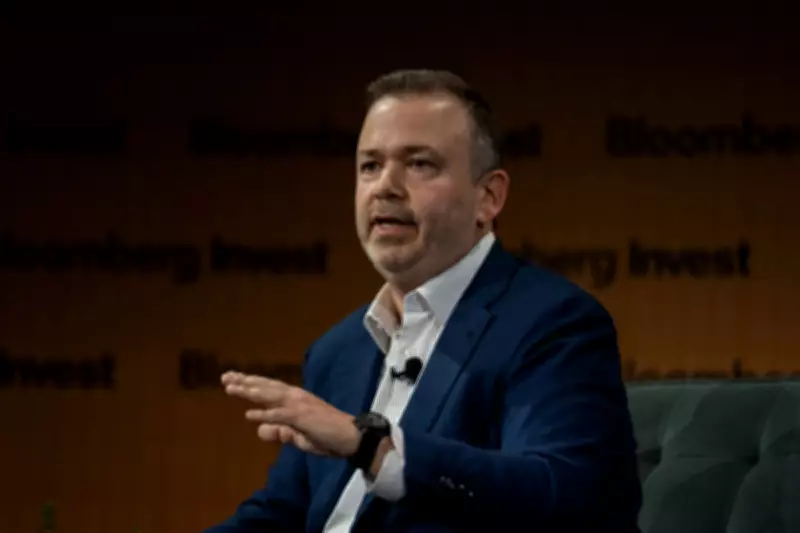
Edinburgh Worldwide Investment Trust has capitulated to years of relentless pressure from US activist investor Saba Capital Management, proposing a tender offer that could effectively dismantle one of Britain's oldest investment vehicles. The trust's chair, Jonathan Simpson-Dent, reveals the emotional toll of the two-year campaign and explains why shareholders are being asked to vote on breaking up the century-old fund.
Personal Attacks and Professional Turmoil
Jonathan Simpson-Dent describes being labeled a fraud, liar, and romantic luddite as "one of the less challenging aspects" of defending Edinburgh Worldwide against Saba's activist assault. "It's quite easy to defend those kind of accusations," he reflects, "because the mudslinging is unwarranted and there's absolutely nothing to it." He had been warned such clashes "tend to get ugly," with ad hominem attacks being standard in major activist campaigns.
More difficult has been accepting that within a month, after more than a century as a cornerstone of Britain's investment trust landscape, Edinburgh Worldwide will transform dramatically under his leadership. "Emotionally it has been very tough," Simpson-Dent admits. "Because we've fought like crazy to make Edinburgh Worldwide a shining light in the investment world... and there aren't many others out there like us."

The Final Standoff
Simpson-Dent speaks two weeks after Edinburgh Worldwide shocked Britain's investment community by offering investors an exit ahead of its annual general meeting. This decision represented surrender after an especially acrimonious battle to repel advances from its largest shareholder, Saba, run by uncompromising founder Boaz Weinstein.
Since mid-2024, the US hedge fund has built its stake in Edinburgh Worldwide, pushing for governance and investment strategy changes. Until recently, Saba's efforts—specializing in financial arbitrage opportunities—had largely failed. While Saba's presence and improved fund performance reduced the trust's discount (the gap between share price and net asset value), shareholders rejected Saba's proposals for board and management changes in both early 2025 and January 2026 votes.
The Reckoning Decision
Rejection only strengthened Saba's resolve. Despite being offered an exit at net asset value by Edinburgh Worldwide's board, Saba proposed a third round of resolutions just two months after losing the second vote. Facing declining shareholder voting motivation and typically lower AGM turnout compared to specially requisitioned meetings, Simpson-Dent recognized the odds were against him.
"When you apply that natural reduction in voter turnout to the slender majority that we won on the second defence campaign, there's a strong probability that we'd actually lose the AGM," he explains. "So that gave us a choice." The options: launch another high-risk defense campaign consuming finite trust resources, or offer shareholders an exit on current board terms via a tender offer.
"Just keeping everything crossed and hoping that we got through it would have been a bit reckless," Simpson-Dent states. "And so our pragmatic response was, 'If there's going to be a change of control, we don't want that to be uncontrolled.' The only fair thing to do was to offer them an off-ramp of some sort."
The Breakup Mechanism
The tender offer, requiring shareholder approval by April 8, would effectively dismantle the trust. Managers would first sell liquid holdings—typically in high-growth companies—returning proceeds to shareholders. Subsequently, they would extract investors from the trust's flagship holding: SpaceX, Elon Musk's private rocket company whose shares trade only during liquidity events like fundraising or public offerings.
Saba responded fiercely after two weeks, accusing Simpson-Dent in an open letter of "adopting a 'take the ball home' strategy" and forcing rushed decisions because his fate was sealed. The activist fund proposed three counter-options:

- Immediate exit at net asset value
- Exit at net asset value after any SpaceX liquidity event but before investment philosophy changes
- Retain trust investment
Saba claimed these options "would provide shareholders a clean exit, on their own terms, at a time of their own choosing."
Industry-Wide Implications
Emma Bird, Winterflood Research's head of investment trusts, suggests Saba's move might sway some shareholders but raises suspicions. Much of Saba's argument centers on replacing Edinburgh Worldwide's board with three independent directors who would overhaul investment strategy. Bird notes that if those directors were truly independent, Saba couldn't pressure them to execute its counter-offer plans.
"That kind of suggests that Saba has influence over this new board," she observes. "And that goes against everything they have been saying about those nominees being independent and taking a fresh view on the trust's future if appointed."
Broader Activist Campaign
Should Weinstein fail with Edinburgh Worldwide, other battles await. In 2024, Saba took large positions in seven investment trusts, forcing major shareholder showdowns. While investors rejected those advances initially, Saba remained on shareholder registers. Last month, Impax Environmental Markets—an ESG trust with climate focus—issued its own tender offer to "avoid the risk of Saba gaining control and changing the company's mandate."
Tech and telecoms specialist Herald also negotiates with Weinstein, hoping to convince him to take profits without ultimatums. Preparing for potential breakdowns, Herald's investment manager already sells illiquid small-cap holdings to avoid fire-sale losses.
Regulatory Concerns
For both Impax and Edinburgh Worldwide, the activist assault exposes regulatory issues in investment trusts, now being raised with the Financial Conduct Authority. Primary concerns include Saba's ability as largest investor to repeatedly requisition votes after rejections, and more relaxed communication standards for investors versus boards.
"A public company board needs huge scrutiny, and anything it says must be fact-checked and lawyer-approved," Simpson-Dent argues. "They can just throw mud as they see fit, and confuse people through fair means and foul."
Fundamental Principles
Regulatory changes would come too late to save Edinburgh Worldwide or its chair. Saba contends such changes are unnecessary, noting that despite Victorian-era origins, Edinburgh Worldwide remains a listed company, not a "public good," with fiduciary duties to shareholders and subject to standard public company rules.
Simpson-Dent accepts this principle, acknowledging Edinburgh Worldwide exists to maximize returns for institutional and retail investors. His issue lies with an aggressor failing to convince investors its plans serve their interests.
"I'm not anti-activist at all," he clarifies. "Activists have a role in any market. But ultimately, our investors have rejected these guys twice. And they need to feel that they've got a voice, and their voice can be heard and listened to."





