

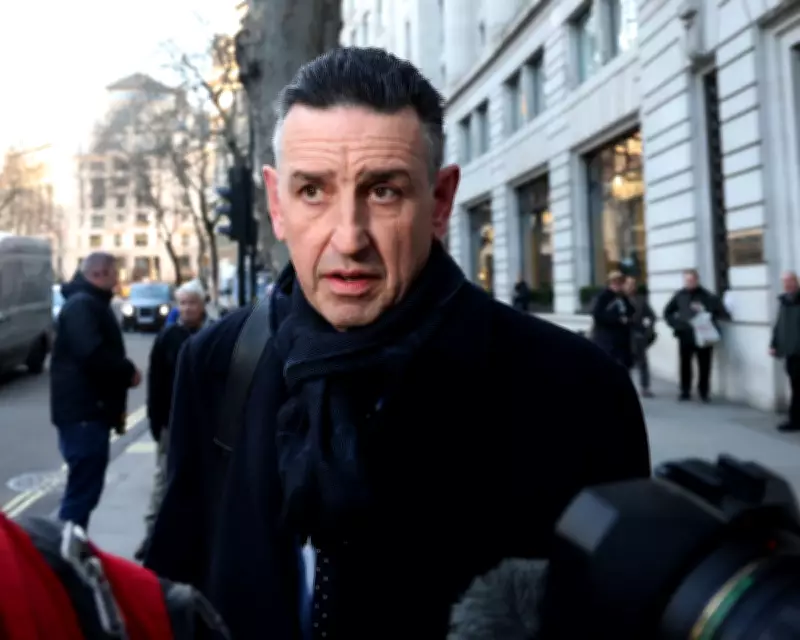
The European chief executive of Fujitsu, the technology firm embroiled in the Post Office Horizon IT scandal, has announced he will step down from his executive role in March. Paul Patterson, who has led the company's European division, will transition to become the non-executive chair of Fujitsu's UK business, where he will retain responsibility for managing the company's ongoing response to the public inquiry into the scandal.
Continued Oversight of Scandal Response
Patterson, who has been with the Japanese IT provider since 2010, has been a prominent figure representing Fujitsu at the judge-led public inquiry. In his new non-executive capacity, he will continue to oversee the firm's handling of the inquiry's findings and its implications for compensation. This move comes as the scandal, which involved faulty Horizon software leading to wrongful prosecutions of subpostmasters, continues to unfold with significant financial and human costs.
Moral Obligation and Financial Redress
During testimony at the inquiry two years ago, Patterson acknowledged that Fujitsu had a moral obligation to provide financial redress to the hundreds of individuals wrongfully pursued through the courts. He admitted that the company was aware of bugs and errors in the Horizon accounting system as far back as the 1990s. The government has estimated that the total cost of payouts to taxpayers could reach £1.8 billion, with current figures showing £1.33 billion already disbursed to over 10,000 victims.

In recent separate testimony to MPs on the Commons business and trade committee, Patterson defended Fujitsu against criticism, stating the firm was not a parasite despite continuing to secure hundreds of millions of pounds from UK government contracts. He reiterated his commitment to determining compensation levels once the inquiry, led by Sir Wyn Williams, publishes its final conclusions. Patterson emphasised that the quantum of redress would be decided after reviewing the full report, which is expected to detail the extent of Fujitsu's involvement in the prosecutions.
Inquiry Findings and Human Impact
The public inquiry, which has been ongoing for two years, has so far released only its initial findings. These revelations indicate that the Horizon scandal may have contributed to more than 13 suicides among affected subpostmasters. Patterson told MPs that he maintains his position on the moral obligation, stating, We need to be informed by Sir Wyn's report. We want to see that report. He acknowledged Fujitsu's role from the outset, noting that the Horizon system did contain bugs and errors, and the company assisted the Post Office in the prosecutions.
Broader Succession Planning
A spokesperson for Fujitsu described Patterson's transition as part of broader succession planning across the business. This strategic move allows Patterson to step back from day-to-day executive duties while ensuring continuity in managing the firm's response to the scandal. As non-executive chair in the UK, he will focus on guiding Fujitsu through the aftermath of the inquiry and addressing the compensation claims from victims.
The scandal has cast a long shadow over Fujitsu's operations in the UK, with ongoing scrutiny from both the public inquiry and parliamentary committees. Patterson's continued involvement highlights the firm's efforts to navigate the complex legal and ethical challenges posed by the Horizon debacle, as it seeks to rebuild trust and fulfil its obligations to those affected.






