

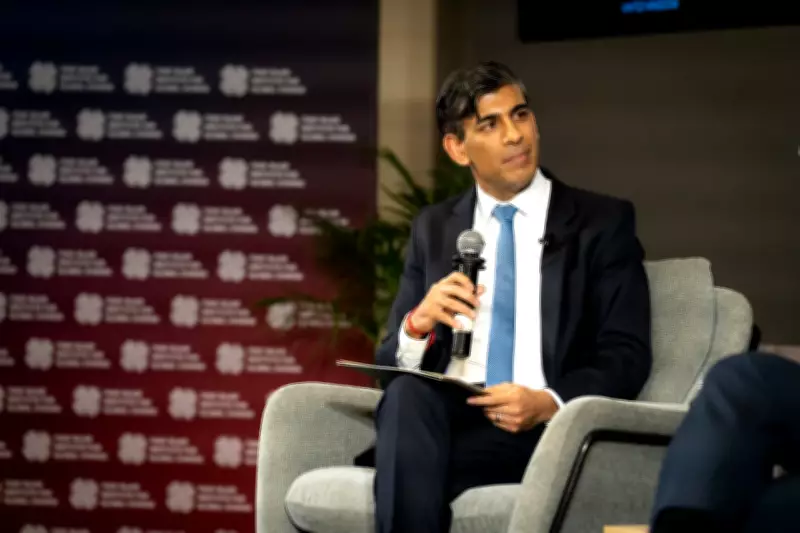
Goldman Sachs, the global investment banking giant, has reportedly compensated former Chancellor of the Exchequer Rishi Sunak at a rate of £6,300 per hour for his advisory services. This substantial fee has ignited widespread discussion and scrutiny within London's financial and political circles, raising questions about the intersection of high-level government experience and corporate consultancy.
Details of the Advisory Arrangement
The advisory role, which Sunak undertook after stepping down from his position as Chancellor, involved providing strategic insights and guidance to Goldman Sachs on various financial and economic matters. Sources indicate that the hourly rate of £6,300 reflects Sunak's deep expertise in fiscal policy, economic strategy, and his extensive network within both the UK government and international financial institutions. This arrangement highlights the lucrative opportunities available to former senior politicians in the private sector, particularly in London's competitive financial hub.
Ethical and Political Implications
The revelation of such a high payment has sparked ethical debates regarding potential conflicts of interest and the influence of former public officials in corporate decision-making. Critics argue that such arrangements could undermine public trust by blurring the lines between government service and private gain, especially given Sunak's recent role in shaping national economic policy. Proponents, however, contend that leveraging political experience for corporate advisory is a common practice that benefits businesses with valuable insights into regulatory and economic landscapes.

Impact on London's Financial Sector
This case underscores the ongoing dynamics within London's financial sector, where top-tier firms like Goldman Sachs actively seek advice from individuals with significant political clout. The £6,300-per-hour fee sets a notable precedent for compensation in advisory roles, potentially influencing market rates for similar services. It also reflects the high stakes involved in navigating complex financial environments, where access to insider knowledge and strategic foresight can command premium prices.
As discussions continue, this incident may prompt further examination of transparency and accountability in the relationships between former politicians and corporate entities, shaping future norms in both London and global financial markets.






