

Royal Mail Owner Defends Service Amid Late Delivery Criticisms
Czech billionaire Daniel Křetínský, who acquired Royal Mail's parent company, International Distribution Services, for £3.6 billion last year, has strongly refuted claims that the postal service has deteriorated under his leadership. Despite facing heavy criticism from MPs over late deliveries and price increases, Křetínský maintained that Royal Mail is performing a task unmatched elsewhere in Europe.
Apology and Defense in Parliamentary Hearing
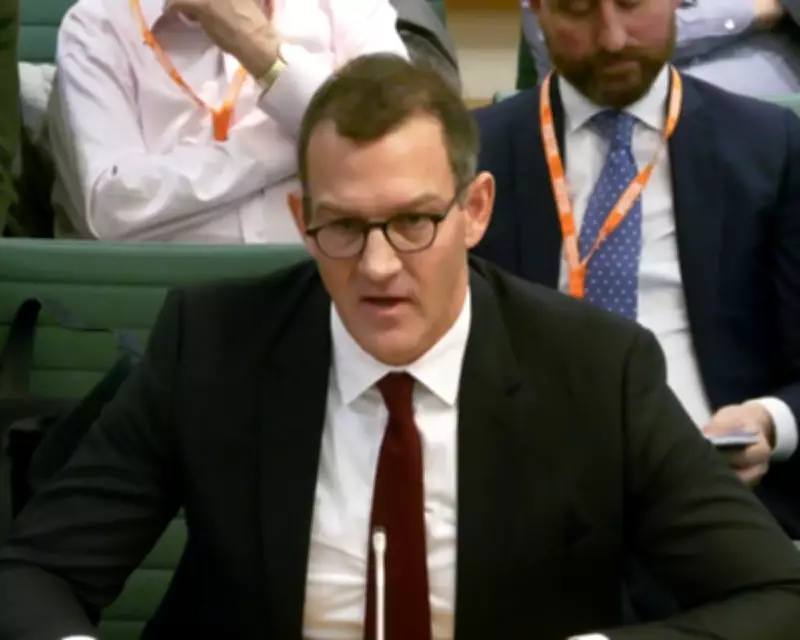
In a defensive and sometimes impassioned appearance before the business select committee, Křetínský expressed deep regret for any letters arriving late. He acknowledged that Royal Mail delivered approximately 16 million Christmas letters late and has raised first-class stamp prices from £1.70 to £1.80 since his takeover. However, he pushed back against accusations of a systemic decline in service quality.
Committee chair Liam Byrne highlighted that Royal Mail is on track to deliver 220 million letters late this year out of a total of 5.6 billion. Byrne pressed Křetínský to apologize for what he termed a "decline in Royal Mail services." In response, the investor, often called the "Czech Sphinx" for his enigmatic demeanor, issued a pugnacious defense, blaming external factors such as the UK's high expectations for next-day delivery at low costs.

European Comparisons and Regulatory Changes
Křetínský argued that Royal Mail's challenges are unique, stating, "This is a hard job, this is a job that nobody else in Europe is doing." He compared the UK's £1.80 first-class stamp for next-day delivery from Brighton to the Scottish Highlands with Italy, where first-class letters cost €5.50 (£4.76) and regulators only require 80% delivery target compliance.
This defense comes as Ofcom, the postal regulator, is set to ease pressure on Royal Mail by lowering service targets under the universal service obligation. Starting next week, Royal Mail will only need to deliver 90% of first-class mail within one working day, down from 93%, and 95% of second-class mail within three days, reduced from 98.5%. Notably, Royal Mail is currently failing to meet even these relaxed targets.
Denials of Prioritization and Labor Issues
Křetínský also denied allegations that Royal Mail is prioritizing more profitable parcels over letters, a claim supported by testimony from postal workers read out by Byrne. Byrne described the issue as "a national breakdown in the service," but Křetínský countered that any such prioritization only occurs during crisis moments, such as staff sickness or delivery office blockages, and is not official policy.
Furthermore, Křetínský criticized the competitive landscape, noting that Royal Mail faces rivals in the parcels market with labor costs half its own, as these companies do not offer full employment to staff. He expressed support for government measures to improve employment conditions for drivers at other parcel firms, arguing it would level the playing field.
Background and Ongoing Challenges
Since Křetínský's takeover, Royal Mail has been embroiled in disputes with trade unions over working conditions, adding to the operational hurdles. The company's struggle to meet delivery targets amid rising costs and public scrutiny underscores the broader pressures facing the postal service in the UK.
As Royal Mail navigates these challenges, Křetínský's defiant stance highlights the tension between maintaining service standards and adapting to economic realities. The ongoing parliamentary scrutiny and regulatory adjustments will likely shape the future of postal services in the country.






