

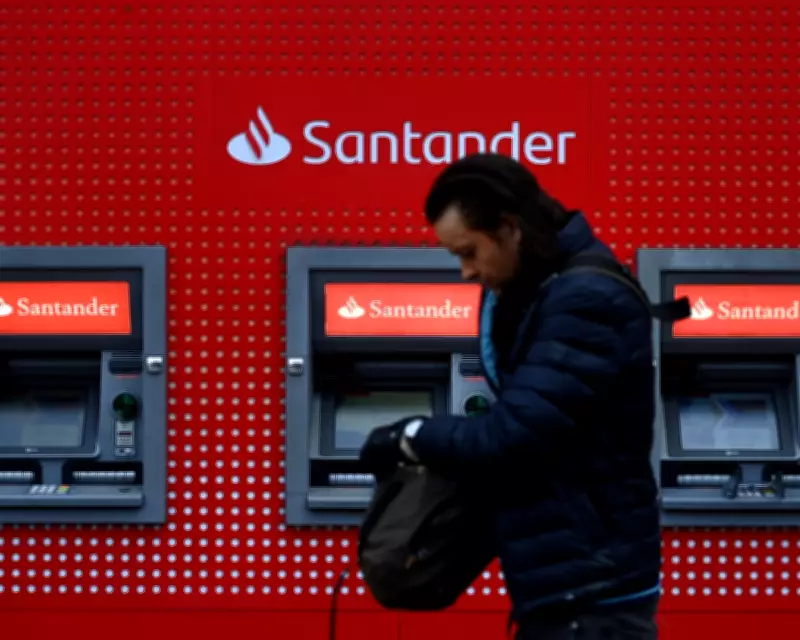
Santander UK Announces Closure of 44 Branches as TSB Takeover Looms
Santander UK has confirmed plans to close 44 of its bank branches across the country, putting approximately 300 jobs at risk. This decision comes as the Spanish-owned lender gears up for its £2.6bn acquisition of rival TSB, a move that has raised concerns about further consolidation in the UK banking sector.
Digital Shift Drives Branch Reductions
The bank cited a significant increase in digital banking usage as the primary reason for the closures. With more customers opting for mobile and online services, Santander is streamlining its physical network to adapt to changing consumer habits. This closure represents about one in eight of its current 349 branches, reducing the total to 305 sites. However, only 244 of these will offer a full range of services, including mortgage advice and in-person cash and cheque deposits.
Nearly 300 branch-based workers face potential job losses as a result. Santander has indicated that there will be alternative roles available for affected staff, though the exact number remains unspecified. The bank will begin consultations with unions to manage the transition and support employees through this period.

Impact on Customers and Communities
Santander has committed to contacting vulnerable customers who may be impacted by the branch closures. These individuals will receive phone calls to help them find alternative banking methods, ensuring they are not left without essential financial services. The closures are scheduled to take place between April 2026 and January 2027, affecting locations across England, Scotland, Wales, and Northern Ireland.
TSB Takeover and Regulatory Hurdles
The branch closures coincide with Santander's preparations for its £2.6bn takeover of TSB, announced in July. This acquisition would position Santander as the third-largest UK bank in terms of personal current account deposits, trailing only Lloyds and NatWest. However, the deal still awaits regulatory approval, which is necessary before any operational changes related to the merger can proceed.
A Santander UK spokesperson confirmed that the bank is still awaiting clearance from regulators. Once approved, Santander will need to address potential overlaps, including duplicate roles and branches, and decide whether to retain the 215-year-old TSB brand, which could disappear from UK high streets.
Broader Financial and Economic Context
Beyond the takeover, Santander UK is grappling with other financial challenges. The bank has set aside £295m to cover potential compensation payouts linked to a motor finance scandal. Additionally, outgoing chief executive Mike Regnier has called for government intervention in regulatory plans for an £11bn compensation scheme, warning that current proposals could harm consumers, jobs, and the economy.
The Communication Workers Union (CWU), which represents Santander staff, has been contacted for comment on the closures and job risks.
List of Affected Branches
The 44 Santander branches scheduled for closure include:

- Berwick-upon-Tweed, Northumberland (28 April 2026)
- Boston, Lincolnshire (28 April 2026)
- Evesham, Worcestershire (28 April 2026)
- Mold, Clwyd (28 April 2026)
- Ramsgate, Kent (28 April 2026)
- Woking, Surrey (28 April 2026)
- Bangor, County Down (29 April 2026)
- Bridgwater, Somerset (29 April 2026)
- Kirkintilloch, East Dunbartonshire (29 April 2026)
- Melton Mowbray, Leicestershire (29 April 2026)
- Newbury, Berkshire (29 April 2026)
- Scunthorpe, North Lincolnshire (29 April 2026)
- Tonbridge, Kent (29 April 2026)
- Bishop Auckland, County Durham (5 May 2026)
- Gosport, Hampshire (5 May 2026)
- Haverfordwest, Pembrokeshire (5 May 2026)
- Huntingdon, Cambridgeshire (5 May 2026)
- Pontefract, West Yorkshire (5 May 2026)
- Welwyn Garden City, Hertfordshire (5 May 2026)
- Glengormley, County Antrim (6 May 2026)
- Leyland, Lancashire (6 May 2026)
- Mansfield, Nottinghamshire (6 May 2026)
- Merthyr Tydfil, Mid Glamorgan (6 May 2026)
- Northallerton, North Yorkshire (6 May 2026)
- Ringwood, Hampshire (6 May 2026)
- Andover, Hampshire (12 May 2026)
- Bridgend, Mid Glamorgan (12 May 2026)
- Enniskillen, County Fermanagh (12 May 2026)
- Macclesfield, Cheshire (12 May 2026)
- Stratford-upon-Avon, Warwickshire (12 May 2026)
- Cwmbran, Gwent (13 May 2026)
- Golders Green, north London (13 May 2026)
- Heswall, Merseyside (13 May 2026)
- Redditch, Worcestershire (13 May 2026)
- Stranraer, Wigtownshire (13 May 2026)
- Newton Abbot, Devon (19 May 2026)
- Stafford, Staffordshire (19 May 2026)
- Banbridge, County Down (19 May 2026)
- Liskeard, Cornwall (20 May 2026)
- Shirley, West Midlands (20 May 2026)
- Leighton Buzzard, Bedfordshire (by end of January 2027)
- Ormskirk, Lancashire (by end of January 2027)
- Whitehaven, Cumbria (by end of January 2027)
- Wilmslow, Cheshire (by end of January 2027)
This restructuring highlights the ongoing transformation in the UK banking industry, driven by digital adoption and strategic mergers.





