

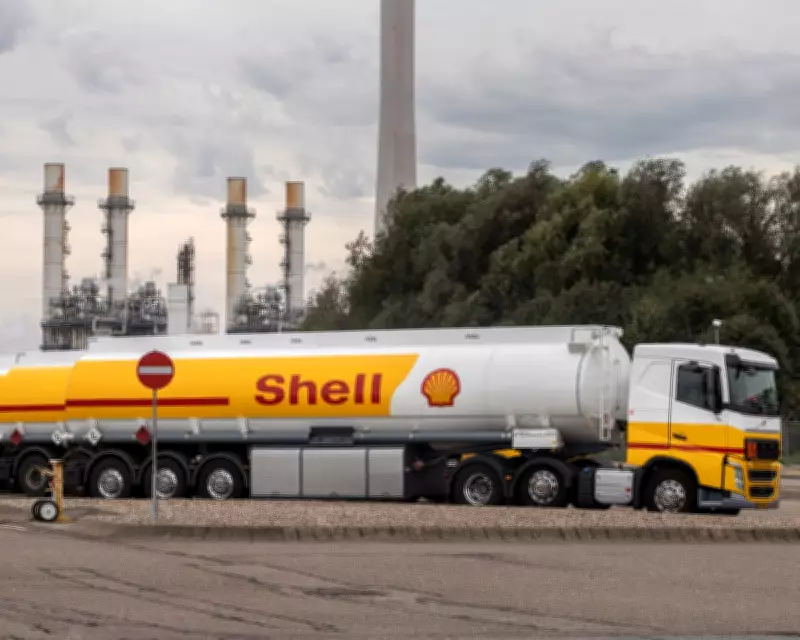
In a bold financial manoeuvre that has captured the attention of investors and analysts alike, Shell has significantly expanded its multibillion-pound debt burden, pushing it to a historic peak. This strategic move coincides with the energy giant distributing record-breaking payouts to its shareholders, a dual approach that underscores the complex dynamics of the global oil market.
Unprecedented Debt Levels Amid Strategic Shifts
The surge in Shell's debt pile represents a notable escalation in its financial leverage, as the company navigates a period of heightened volatility in oil prices. Industry observers note that this increase reflects a calculated risk, with Shell potentially using borrowed funds to fuel its operations and investments while maintaining robust returns for investors. The precise figures involved are staggering, highlighting the scale of the company's financial commitments in an uncertain economic landscape.
Record Shareholder Payouts Under Scrutiny
Simultaneously, Shell has allocated unprecedented sums to shareholder payouts, including dividends and share buybacks, setting a new benchmark for corporate generosity in the energy sector. This move is seen as a strategy to reward investors and bolster confidence, even as the company shoulders a heavier debt load. Critics, however, question the long-term sustainability of such an approach, particularly if oil prices experience sharp fluctuations or downturns.

Implications for the Energy Sector and Broader Economy
The interplay between Shell's rising debt and its lavish payouts offers a microcosm of broader trends in the energy industry. As companies grapple with shifting demand, regulatory pressures, and the transition to renewable sources, financial strategies like these could influence market perceptions and competitive dynamics. For the UK economy, Shell's actions may have ripple effects, impacting everything from investment flows to employment in related sectors.
Looking ahead, analysts will closely monitor how Shell manages its debt obligations while sustaining high payouts, especially in light of ongoing oil price volatility. The outcome could set precedents for other major players in the energy market, shaping financial practices across the industry.






