

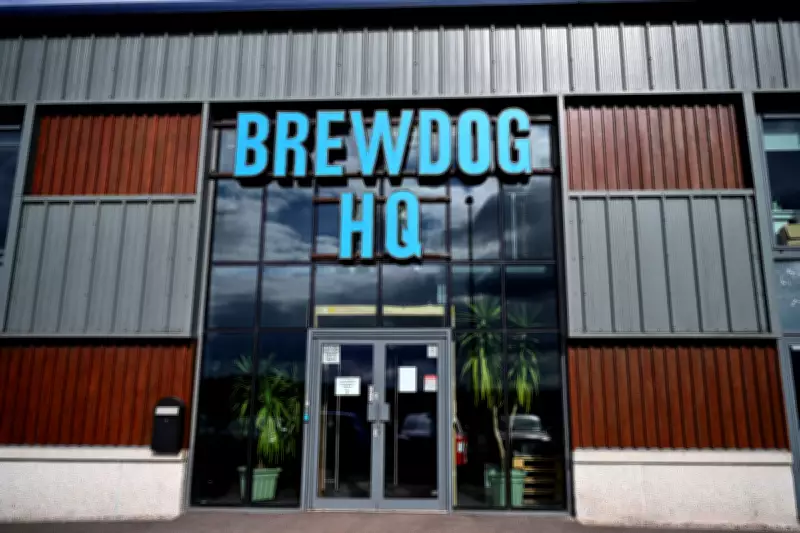
US Cannabis Giant Tilray Acquires Brewdog in £33 Million Deal
In a significant development for the craft beer industry, American cannabis and brewing conglomerate Tilray Brands has finalized a £33 million acquisition of the renowned craft beer giant Brewdog. This transaction marks a pivotal moment for the independent brewer, which had previously been valued as high as £2 billion but recently faced operational challenges, including the closure of several bars.
Founder's Comeback Bid Falls Short
Co-founder James Watt, who established Brewdog in 2007, reportedly lost the race to purchase the company on Sunday. Watt had been preparing to invest £10 million of his personal funds in a bid to regain control. Instead, Tilray Brands, a pharmaceutical firm that specializes in cannabis and alcoholic lifestyle products, has agreed to acquire most of Brewdog's assets. This includes the global brand, UK brewing operations, and eleven bars located in key areas such as Birmingham, Canary Wharf, Dublin, and the taproom in Ellon, Aberdeenshire, where Brewdog's primary brewing estate is situated.
Tilray's Vision for Brewdog's Future
Irwin D. Simon, chief executive of Tilray, expressed optimism about the acquisition, stating, "As we begin a new chapter for this great brand, our priority is to refocus Brewdog on the craft beer excellence that made it beloved in the first place and strategically invest to return the operations to profitable growth. Brewdog's future is bright, and we are committed to ensuring the brand continues to lead and inspire the global craft beer movement." This announcement follows the sale's initial revelation last month, which highlighted Brewdog's significant downfall from its peak valuation.

Operational Disruptions During Sale Process
Brewdog temporarily shut all of its bars on Monday to facilitate a series of all-hands meetings discussing the sale. Chief executive James Taylor informed staff via an internal email that the closures were necessary to allow employees to attend these meetings and address licensing issues. Taylor wrote, "We appreciate this is an unsettling time for everyone, and we want to ensure that all colleagues have the opportunity to hear directly from us about what happens next." Rumors surrounding the sale had been circulating, prompting HSBC to secure Brewdog's debts against its Aberdeenshire brewing estate, granting the bank the right to seize the property if needed.
Shareholder Discontent and Brand Evolution
The sale announcement last month sparked fury among Brewdog's approximately 200,000 small-scale shareholders, many of whom invested during the company's startup phase and are unlikely to recoup their investments. Ross Brown, a professor at the University of St Andrews' school of management, commented to City AM last week, "Once a brand famous for edgy, zany beers and off-the-wall products, it now very much mirrors the bland and corporate incumbents it was meant to challenge." This sentiment reflects the hangover from Brewdog's 'punk' investor model, which initially attracted widespread attention but has since faced criticism.
Brewdog has not issued a comment on this latest development. Previously, the company stated, "As with many businesses operating in a challenging economic climate and facing sustained macro headwinds, we regularly review our options with a focus on the long-term strength and sustainability of the company. Following a year of decisive action in 2025, which saw a focus on costs and operating efficiencies, we have appointed Alixpartners to support a structured and competitive process to evaluate the next phase of investment for the business. This is a deliberate and disciplined step with a focus on strengthening the long-term future of the Brewdog brand and its operations."






