

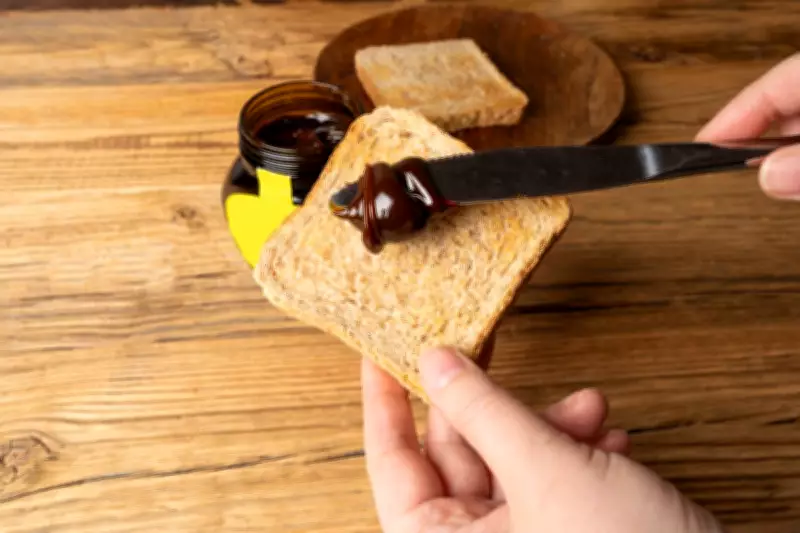
Unilever Confirms Talks to Sell Food Arm Including Marmite and Hellman's
FTSE 100 consumer goods giant Unilever has officially confirmed it is engaged in discussions to offload its foods business, a portfolio that includes iconic brands such as Hellman's mayonnaise and Marmite. The company revealed it has received an offer from US seasoning manufacturer McCormick and is now in active talks with the firm regarding a potential transaction.
Strategic Shift Under New Leadership
This move aligns with Unilever's strategic prioritization of its €13 billion (£11.2 billion) beauty and personal care brands, a focus that has intensified following the arrival of new chief executive Fernando Fernandez. The company is currently undergoing a significant cost-cutting initiative aimed at streamlining operations and enhancing profitability.
In a statement addressing "media speculation" surrounding a potential deal, Unilever stated, "The board believes Foods is a highly attractive business, with a strong financial profile led by market-leading brands in growing categories and is confident in the future of the Foods business as part of Unilever." However, the firm cautioned, "There can be no certainty that any transaction will be agreed."

Market Reaction and Recent Corporate Moves
Following the announcement, Unilever's shares experienced a notable jump of one per cent, reaching 4,631p. Despite this uptick, the stock remains down four per cent for the year to date. This development comes on the heels of other major corporate actions by the company.
Last year, Unilever unveiled plans to spin off its Ben & Jerry's ice-cream brand and opted to list its shares in Amsterdam, a decision that was viewed as a setback for the London Stock Exchange. According to reports from Bloomberg, the firm had been considering further spin-offs of some of its most recognizable brands, including Marmite, in recent days.
Previous Negotiations and Financial Performance
Unilever had also previously held discussions with Kraft Heinz regarding a potential merger that would have united mayonnaise and ketchup under one corporate umbrella. However, the company has since walked away from any such agreement. The Financial Times reported that this megamerger between Unilever's food brands and Heinz's condiments division would have created a new entity worth billions of dollars.
Despite implementing cost-cutting measures that resulted in thousands of job losses, Unilever reported a dip in turnover for the last fiscal year. Total revenue declined by four per cent to €50.5 billion. The company's beauty and wellbeing division experienced the softest decline at 2.3 per cent, while its foods and home care segments saw more substantial drops of 3.2 per cent and 6.4 per cent, respectively.
Leadership Perspective and Restructuring Costs
CEO Fernando Fernandez attributed these modest results to "slowing markets," while simultaneously asserting that his turnaround strategy is successfully delivering a "simpler, sharper and faster Unilever." The company allocated €599 million to its restructuring efforts in the last year, representing 1.2 per cent of its total turnover. This expenditure was notably lower than the €710 million spent on restructuring in the preceding year.
Unilever, a global food and consumer goods powerhouse, was originally formed in 1930 through the merger of Dutch margarine manufacturer Unie and British soap producer Lever Brothers. The company maintains its headquarters in London, where it continues to navigate the evolving landscape of the global consumer goods market.






