

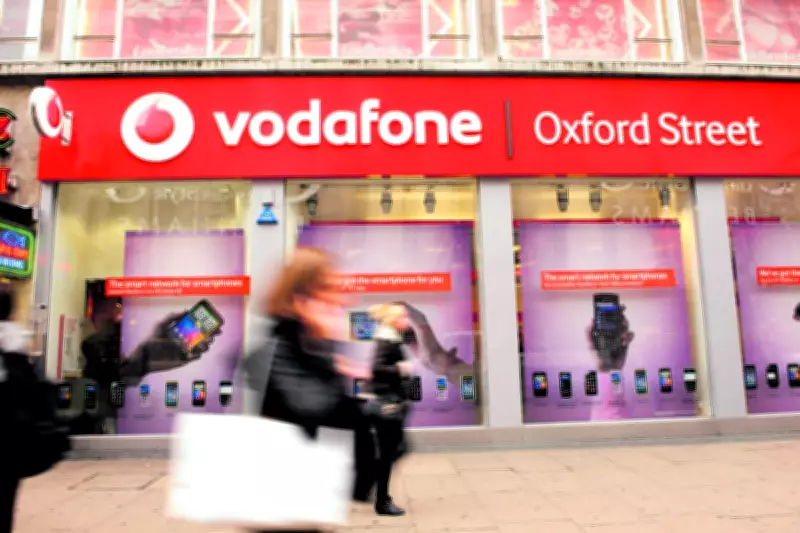
Vodafone's chief executive has provided firm assurances that there will be no forced redundancies for retail staff following the company's monumental acquisition of Three, even as the telecommunications giant prepares to shutter some stores and pursue substantial cost savings from the merger.
Commitment to High Street Presence Amid Consolidation
Margherita Della Valle, who led the £16.5 billion merger shortly after assuming leadership in 2023, emphasised the enduring importance of physical retail locations to Vodafone's business strategy. She stated that the high street remains a critical component for driving customer growth and engagement.
"From a retail and property perspective, it's essential to highlight that our presence on the high street is fundamental to our business model," Della Valle remarked. "You will continue to see a very strong presence from us."

While acknowledging that some store closures are inevitable due to duplication in certain locations, Della Valle was unequivocal about protecting jobs. "There will be some duplication, but we've been very clear—there will not be any redundancies because we view the high street as a key lever for our success," she affirmed.
Substantial Synergy Targets and Integration Progress
Despite this pledge to safeguard retail employment, Della Valle confirmed that the merger remains on track to deliver up to £700 million in synergies, with initial benefits expected to materialise in next year's financial results.
Approximately half of these savings will stem from network and IT integration, with additional opportunities identified in procurement, marketing costs, and logistics expenditures. Vodafone reported that integration efforts are progressing swiftly, with spectrum and network sharing activation ahead of schedule following the deal's approval last year.
Mixed Financial Performance and Market Challenges
These assurances come against a backdrop of varied financial performance for Vodafone. The company experienced a net loss of over 70,000 UK mobile customers during the fourth quarter, primarily attributed to the disconnection of approximately 50,000 low-value business SIM cards.
In Germany, Vodafone's largest market, service revenue increased by 0.7% to €2.7 billion (£2.3 billion), slightly below analyst expectations of 1% growth. However, total group revenue for the quarter rose by 6.5% to €10.5 billion, demonstrating overall resilience.
Share Price Movements and Future Outlook
Vodafone shares declined by 5.1% to 108p on Thursday morning, reflecting investor concerns about the German performance. Nevertheless, the stock has shown remarkable strength over the past twelve months, surging by more than 60%.
The company's strategic focus now centres on balancing integration efficiencies with maintaining its retail footprint and workforce, as it navigates the competitive telecommunications landscape following one of the industry's most significant mergers in recent years.






