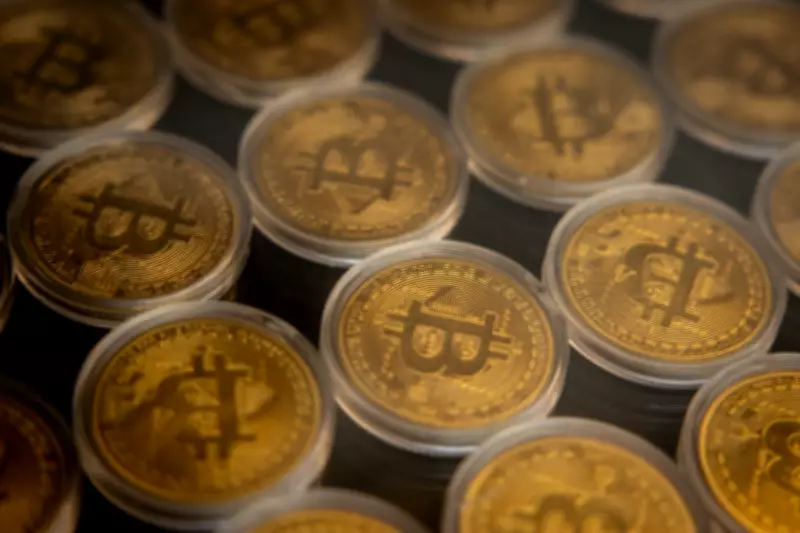
Bitcoin has experienced a dramatic sell-off on Friday morning, plunging to its lowest valuation in fifteen years as a sweeping technology sector downturn intensifies. The cryptocurrency's price has collapsed to approximately $64,657, marking the weakest point since October 2024 and representing a staggering twenty-four per cent decline since the beginning of the year.
Unprecedented Price Collapse
The digital asset has fallen to levels that many industry observers previously considered impossible, sinking well beneath the anticipated $70,000 threshold, which represents the average cost of mining Bitcoin. This sharp downturn follows months of surging prices that culminated in an all-time peak of $122,200 last October, largely driven by investor enthusiasm surrounding former President Donald Trump's involvement in the cryptocurrency sector.
Trump's Cryptocurrency Influence
Market participants had been significantly encouraged by the former US president's vocal advocacy for digital currencies, combined with his commitments to relax regulatory constraints. During his initial year back in office, Trump established a cryptocurrency brand with the majority of profits directed toward his personal companies, while maintaining connections with World Liberty Financial, an investment vehicle for other crypto assets owned by the Trump family.

Additional measures included signing legislation to facilitate federal backing of cryptocurrency, disbanding a Department of Justice unit dedicated to enforcing digital asset regulations, and witnessing the Securities and Exchange Commission abandon crypto-related enforcement activities. However, not all Trump-associated cryptocurrency ventures have prospered, with the official Trump meme coin suffering an eighteen per cent decline over the past twenty-four hours to $3.38.
This token has been experiencing a sustained downward trajectory since its early 2025 highs of $73.43, while the official Melania meme coin has plummeted to $0.12, trading approximately ninety-nine per cent below its record high of $13.73. Democratic members of the Senate Judiciary Committee highlighted Trump's pro-crypto agenda in November, noting the president had accumulated crypto holdings exceeding $11 billion, generating personal income of $800 million from cryptocurrency transactions since assuming office.
Federal Reserve Nomination Impact
Financial analysts attribute the remarkable price decline to Trump's decision to nominate Kevin Warsh as Federal Reserve Chair, a figure widely regarded as adopting a hawkish monetary policy stance. Market expectations suggest Warsh would resist aggressive interest rate reductions, thereby preventing looser monetary policies that typically support investments in volatile assets like cryptocurrencies.
Ipek Ozkardeskaya, senior analyst at Swissquote, commented: "There's no convincing answer to what the bottom might be. It will be determined by appetite for this highly speculative asset with limited use cases." Other market observers have suggested this sell-off could potentially trigger a death spiral scenario, though Ozkardeskaya countered that this simply reflects the asset's inherently volatile and risky characteristics.
Market Analyst Perspectives
Deutsche Bank has projected that Bitcoin will never return to the Trump-driven highs, as it gradually transitions from a purely speculative instrument to an asset that must establish its specific function within the broader financial ecosystem. Chris Beauchamp, chief market analyst at IG, offered a contrasting viewpoint, arguing that this "selloff still pales in comparison to other crypto winters", suggesting the cryptocurrency retains "plentiful powers of recuperation".
Within the United Kingdom, Bitcoin remains incompletely regulated as a financial product by watchdogs, though the government has outlined proposals for a comprehensive regulatory framework addressing cryptocurrency trading, custody arrangements, and lending practices. This regulatory uncertainty continues to contribute to the asset's price volatility as institutional and retail investors alike navigate an evolving financial landscape.