

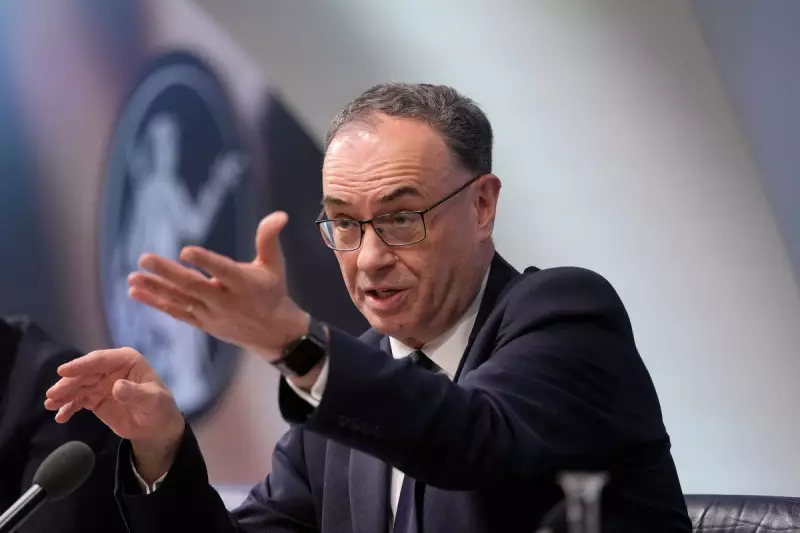
The Bank of England has delivered a pre-Christmas boost to borrowers, cutting its main interest rate to the lowest level in nearly three years. In a finely balanced decision, the Monetary Policy Committee (MPC) voted to reduce the Bank Rate by a quarter of a percentage point to 3.75 per cent.
A Close Vote Driven by Economic Slack
The decision on Thursday 18 December 2025 was far from unanimous, passing by a narrow margin of 5 votes to 4. Governor Andrew Bailey cast the deciding vote, arguing that rising unemployment and weaker-than-expected growth indicated a build-up of slack in the UK economy. This, he contended, outweighed the persistent but gradually easing inflationary pressures.
This marks the first reduction since August, following two consecutive meetings in September and November where officials chose to hold rates steady. Recent economic data has disappointed, with unemployment climbing above five per cent in the October-November period and redundancies reaching their highest point since February.

Inflation Outlook Softens for 2026
MPC members pointed to several factors suggesting a softer inflation picture at the start of 2026. Falling oil and gas prices were key, alongside measures announced by Chancellor Rachel Reeves in the Autumn Budget. These included reducing regulatory costs on household energy bills and extending the fuel duty freeze.
Combined with declining commodity prices, these actions led Bank staff to lower their inflation forecast by 0.5 per cent. Officials now believe the pace of price rises could fall to the Bank's two per cent target as early as the second quarter of next year, especially when several new demand-dampening taxes take effect in April.
"We’ve passed the recent peak in inflation and it has continued to fall, so we have cut rates for the sixth time, to 3.75 per cent, today," said Andrew Bailey. "We still think rates are on a gradual path downward. But with every cut we make, how much further we go becomes a closer call."
Hawks Warn of Persistent Price Pressures
The vote revealed a significant split on the committee. Governor Bailey, who had sided with the hawkish faction in November, switched his position this month to support the cut. He was joined by four other members who cited weak activity and household spending as reasons for more easing.
However, four officials voted to hold the rate at four per cent. This group included Deputy Governor Clare Lombardelli, Chief Economist Huw Pill, and external members Catherine Mann and Megan Greene. They expressed concern that the recent slowdown in inflation would lose pace in the new year, leaving it stubbornly above target if rates were cut.
This hawkish contingent highlighted forward-looking indicators, such as the Bank's Decision Maker Panel, which showed businesses expecting to raise wages by 3.8 per cent and prices by 3.7 per cent over the next year—nearly double the official target. Households also anticipate inflation of around 3.5 per cent, raising the risk of second-round effects like stronger wage demands.
Separately, Governor Bailey also issued a warning about 'stretched' technology company valuations in the United States, highlighting ongoing global financial uncertainties even as the Bank acts to support the domestic economy.






