

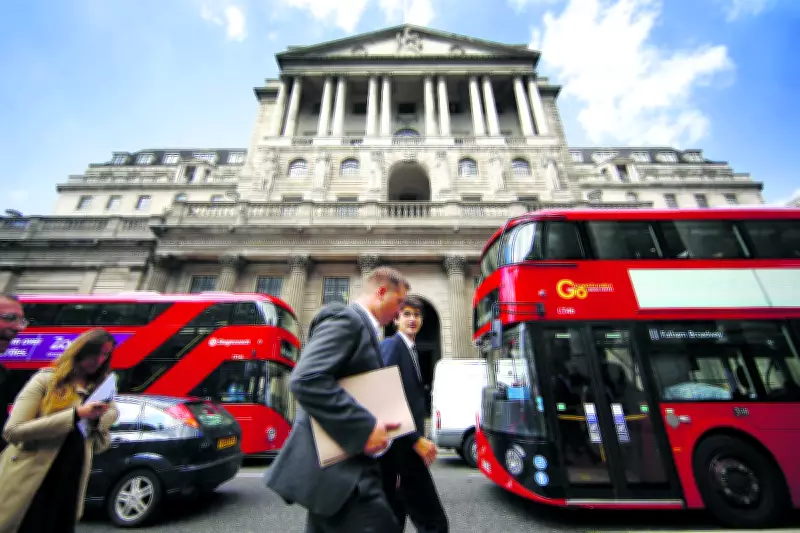
The Bank of England has opted to maintain interest rates at their current level, but policymakers have issued stark warnings about escalating unemployment and sluggish economic growth, which are exerting downward pressure on price increases.
Monetary Policy Committee's Split Decision
In a closely watched announcement on Thursday, the Bank's Monetary Policy Committee voted 5-4 to keep interest rates steady at 3.75 per cent. This decision comes amidst growing concerns over the UK's economic trajectory, with economists predicting that unemployment could surge in the coming months.
Growth forecasts have been revised downwards due to corporate hesitancy regarding investment strategies and tepid demand across the national economy. The unemployment rate is now projected to peak at 5.3 per cent this year, a significant increase from the previous estimate of five per cent.

Revised Economic Outlook
In a move that poses challenges for Chancellor Rachel Reeves, the Bank has adjusted its GDP growth forecast for the year to 0.9 per cent, down from an earlier prediction of 1.2 per cent. Governor Andrew Bailey, who supported holding rates due to insufficient evidence of inflation easing, emphasised that further rate reductions are anticipated as price growth is expected to approach the Bank's two per cent target by April.
"We now anticipate that inflation will decline to two per cent by the spring," Bailey stated, noting that previous forecasts had projected this target would not be met until 2027. "This is positive news. To ensure inflation remains at this level, we have kept rates unchanged at 3.75 per cent today. Provided conditions remain favourable, there should be room for additional reductions in the Bank Rate this year."
Factors Driving Inflation Downwards
The primary contributors to moderating price growth include Budget policies implemented by Chancellor Rachel Reeves, particularly those affecting energy bills, alongside weakened consumer demand. The Bank estimates that these measures, which involve removing energy subsidy costs from household bills and postponing a fuel duty increase, will reduce inflation by 0.5 percentage points.
However, potential headwinds such as higher taxes, elevated savings rates, and overall weak economic performance could suppress demand over the next twelve months. Additionally, the Bank has slightly lowered its pay growth forecasts, with analysis indicating that substantial public sector wage increases from the past year are unlikely to translate into the private sector.
Cost Pressures on Businesses
Firms, especially those in accommodation and hospitality sectors that employ lower-wage workers, are facing cost pressures from increased national insurance contributions and another rise in the living wage. Chief economist Huw Pill, a hawkish member of the MPC who voted to hold rates, highlighted "risks" in achieving the inflation target and cautioned that interest rate cuts have been "overly rapid."
"I continue to advocate for a careful withdrawal of policy restrictions, guided by long-term trends rather than short-term developments," Pill remarked.
Internal MPC Divisions
Deputy governor Clare Lombardelli and external member Megan Greene expressed concerns that companies might persist in setting wages at levels higher than the Bank deems appropriate. They also suggested that public expectations of continued price growth could keep inflation elevated.
Conversely, MPC members Sarah Breeden, Dave Ramsden, Swati Dhingra, and Alan Taylor argued that weaker demand forecasts justified another interest rate cut. Bank officials warned that reducing rates too swiftly could reignite inflation, noting that reversing course in such a scenario would be "costly."
While the majority of MPC members have not specified how low interest rates might go, Taylor indicated support for three additional 25 basis point cuts, underscoring the ongoing debate within the committee about the appropriate pace of monetary easing.






