

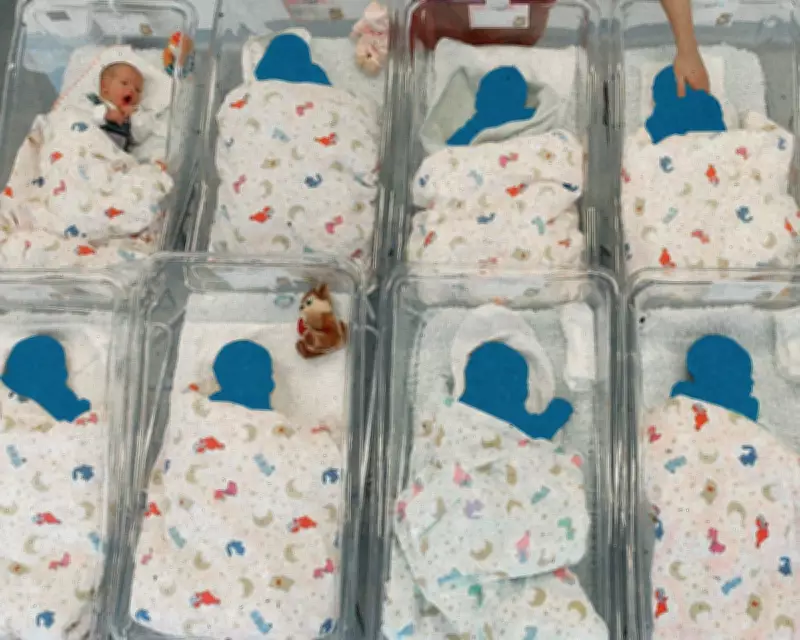
Global Fertility Crisis: Falling Birth Rates Threaten Economic Stability
Fertility rates are declining across the globe, affecting both wealthy nations with historically low birth rates and developing countries where rates were once higher. This widespread trend is raising alarms about potential population crises and their economic repercussions.
US Fertility Hits Record Low
Recent government data reveals that US fertility may be accelerating its decline, with projections indicating a record low of 1.57 children per woman by 2025. This figure falls below the Congressional Budget Office's earlier estimate of 1.62 and is significantly under the 2.1 replacement rate required for population stability. The US has not achieved this replacement level since the 2008 Great Recession, leading to an increasingly ageing demographic.
While the overall population has not yet begun to shrink, the rapid ageing process is undermining the fragile foundations of social stability. In 2000, there were approximately 24 Americans aged 65 and older for every 100 working-age adults. By mid-century, this ratio is expected to surge to 43, according to CBO projections.

Economic Strain from Ageing Populations
The shifting demographic landscape places immense pressure on public finances. Taxes collected from a shrinking workforce must fund Medicare and social security for a growing number of retirees, exacerbating budget deficits and increasing national debt. Spending on elderly entitlements is projected to rise from 6% of GDP at the turn of the century to 12.7% by 2055, primarily due to ageing.
The CBO forecasts that the fiscal deficit, excluding interest on debt, will reach about 2% of GDP by the 2040s. Economists from the Federal Reserve and the Aspen Economic Strategy Group estimate that the deficit would be in surplus if the ratio between elderly and working-age Americans stabilized by 2025.
A Worldwide Phenomenon
This demographic challenge is not confined to the United States. Fertility rates are falling globally, with two-thirds of the world's population residing in countries where birth rates are below replacement levels. This trend contributes to rising public debt, which the International Monetary Fund projects will nearly reach 94% of global GDP in 2025 and hit 100% by 2029.
In China, decades of one-child policies have resulted in one of the world's lowest fertility rates. The IMF predicts that ageing will reduce annual GDP growth by nearly two percentage points between 2024 and 2050 while increasing pension spending by almost 10% of GDP. Among OECD nations, ageing is expected to drive up pension and health expenditures by 3% of GDP.
Misguided Environmental and Technological Hopes
Some environmentalists, still influenced by Paul Ehrlich's overpopulation theories, may view declining fertility as beneficial for reducing environmental strain. Similarly, segments of Silicon Valley might welcome a stalled working-age population as artificial intelligence threatens to displace human labor.
However, lower birth rates will not significantly mitigate climate change. Carbon emissions must be drastically reduced over the next few decades, a timeframe too short for population changes to have a meaningful impact. Research indicates that even if global fertility rates increased to replacement levels, the effect on global temperatures by 2200 would be minimal, less than 0.1°C.
The Role of Innovation and Policy
Human progress has historically relied on innovation to overcome environmental constraints, such as agricultural advances that fed growing populations. Decarbonization efforts now require large-scale zero-carbon energy production, which depends on robust innovation ecosystems.
Smaller populations mean fewer innovators, reduced resources for costly research and development, and smaller markets to justify investments. The post-World War II baby boom, for instance, spurred pharmaceutical innovations tailored to ageing boomers.

Policymakers have proposed various measures to boost fertility, such as financial incentives and public childcare support. The Trump administration, for example, suggested depositing $1,000 into accounts for each child born during his presidency and promoting fertility awareness. Yet, evidence from countries with generous family policies shows inconsistent results in raising birth rates.
Long-Term Challenges and Potential Solutions
Even if a sudden baby boom occurred, it would not immediately alleviate fiscal pressures, as children take over two decades to become economically productive. In the interim, they would further strain national budgets.
Artificial intelligence offers a potential solution if it drives substantial productivity gains, enabling economic growth to support both young and old populations. However, reliance on this technology is uncertain, given challenges in ensuring equitable distribution of its benefits.
As societies grapple with these demographic dilemmas, there are concerns about darker responses, such as those depicted in dystopian narratives like Children of Men, where ageing populations face bleak prospects. Ensuring robust social security and healthcare systems remains crucial to preventing such outcomes.





